
AC Mechanical: Complete Guide to Air Conditioner Mechanical Systems
Understand the mechanical heart of your air conditioner — from compressors and condensers to evaporators and expansion valves. Learn how each component works, how to spot failures early, and when to call a professional.
Why AC Mechanical Knowledge Matters: Every air conditioner is a carefully engineered mechanical system. When you understand how the compressor, condenser, evaporator, and expansion valve interact, you can diagnose problems faster, maintain your unit more effectively, and make smarter decisions before scheduling a service call or purchasing a replacement.
What Does "AC Mechanical" Mean?
The term AC mechanical refers to the physical machinery and moving parts inside an air conditioning system that drive the cooling process. Unlike electrical or electronic controls, mechanical components handle the actual heat transfer and refrigerant circulation. In a typical split or central air conditioning system, the mechanical assembly includes the compressor, condenser coil, evaporator coil, expansion valve, blower fan, and condenser fan motor.
These components form a closed-loop refrigeration cycle. The compressor pressurizes refrigerant gas, the condenser releases heat outdoors, the expansion valve drops pressure, and the evaporator absorbs heat indoors. Any mechanical failure in this chain reduces cooling performance or stops the system entirely. Understanding each part helps homeowners recognize symptoms early and avoid secondary damage.
Core Mechanical Components of an Air Conditioner
Compressor
The compressor is the central pump of the AC mechanical system. It compresses low-pressure refrigerant gas into high-pressure, high-temperature gas, enabling heat rejection in the condenser. Compressor failure is one of the most serious mechanical faults and typically requires professional replacement.
Condenser Coil
Located in the outdoor unit, the condenser coil releases absorbed heat into the outside air. Its fins and tubing must stay clean for efficient heat exchange. Dirty or bent condenser fins are a common cause of high head pressure and reduced cooling capacity.
Evaporator Coil
The evaporator coil sits indoors and absorbs heat and moisture from the air passing over it. When the coil freezes or becomes clogged with dust, airflow drops and the system may ice up. Regular filter changes protect this critical component.
Expansion Valve
The expansion valve (or metering device) controls refrigerant flow into the evaporator. It drops refrigerant pressure and temperature so the evaporator can absorb heat. A faulty expansion valve can cause uneven cooling or compressor flooding.
Blower Fan
The indoor blower fan moves conditioned air through the ductwork and into your rooms. A worn blower motor, dirty wheel, or failing capacitor reduces airflow and can cause the evaporator to freeze. Blower wheel replacement is a common mechanical service.
Condenser Fan Motor
The outdoor condenser fan pulls air across the condenser coil to release heat. If this fan stops, the compressor overheats and may trip on high-pressure lockout. Fan motor and capacitor failures are frequent mechanical issues in older units.
How the AC Mechanical Refrigeration Cycle Works
The mechanical refrigeration cycle is a continuous loop with four key stages. Understanding this sequence helps you diagnose where a problem may originate:
- Compression: The compressor draws in low-pressure refrigerant vapor and compresses it into a high-pressure, high-temperature gas.
- Condensation: The hot gas enters the outdoor condenser coil, where the condenser fan moves air across the fins. Heat is released, and the refrigerant condenses into a liquid.
- Expansion: The liquid refrigerant passes through the expansion valve, where pressure and temperature drop sharply, preparing it to absorb heat.
- Evaporation: The cold refrigerant enters the indoor evaporator coil. The blower fan moves warm room air across the coil, and the refrigerant absorbs heat and evaporates back into a gas before returning to the compressor.
This cycle repeats as long as the thermostat calls for cooling. Any mechanical fault — a stuck valve, a failing compressor, a seized fan motor — interrupts the cycle and reduces or stops cooling. For a deeper explanation of the overall process, see our guide on different types of air conditioning systems.
AC Mechanical vs Electrical Components: What's the Difference?
Air conditioners contain both mechanical and electrical systems, and distinguishing between them helps when troubleshooting or describing a problem to a technician.
| Category | Components | Primary Role | Typical Symptoms of Failure |
|---|---|---|---|
| Mechanical | Compressor, condenser fan, blower motor, expansion valve, bearings, belts | Move refrigerant and air; transfer heat | Grinding noises, seized fans, no airflow, frozen coils |
| Electrical | Capacitors, contactors, relays, circuit boards, thermostat wiring | Control power delivery and system logic | Unit won't start, tripped breakers, erratic cycling |
| Refrigerant | Lines, valves, coils (shared with mechanical) | Carry heat between indoor and outdoor units | Weak cooling, ice buildup, hissing sounds |
Many "mechanical" failures actually begin as electrical problems — a failed capacitor can prevent the condenser fan from spinning, which then overheats the compressor. That is why a proper diagnosis should always check both systems together.
Common AC Mechanical Problems and Early Warning Signs
Mechanical wear is inevitable, but early detection prevents major breakdowns. Watch for these warning signs:
- Reduced cooling: A weakening compressor or dirty condenser coil often causes the system to run longer without reaching the set temperature. If your AC is not cooling the house, mechanical inspection should be a priority.
- Unusual noises: Grinding, squealing, or rattling sounds often point to worn bearings, a failing blower wheel, or a loose fan motor mount.
- Ice on the indoor coil: Frozen evaporator coils usually indicate restricted airflow or low refrigerant — both of which stress the compressor mechanically.
- Frequent short cycling: A compressor that starts and stops rapidly may be overheating or struggling with a failing internal valve.
- Water leaks indoors: A clogged condensate drain or frozen coil can cause water to drip from the indoor unit. See our guide if your home air conditioner is not blowing air or leaking.
Preventive Maintenance for AC Mechanical Systems
Regular maintenance extends the life of mechanical components and preserves energy efficiency. The most effective steps are straightforward:
- Clean or replace air filters every 1–3 months. Restricted airflow forces the blower and compressor to work harder, accelerating mechanical wear.
- Clean the condenser coil annually. Remove debris, leaves, and dirt from the outdoor unit. Learn the proper method in our guide on how to clean the coils of an air conditioner.
- Inspect the condensate drain. A clogged drain can cause water damage and promote mold growth inside the air handler.
- Schedule professional servicing once per year. A technician checks refrigerant charge, capacitor health, fan motor amp draw, and compressor performance before failures occur. See typical annual AC service expectations.
- Seal and insulate ductwork. Leaky ducts reduce airflow and make mechanical components run longer than necessary. Explore air duct sealing and HVAC ductwork installation options.
Homeowners who invest in consistent maintenance typically see fewer mechanical breakdowns and a longer service life from their equipment. If your system is nearing the end of its useful life, review whether it is time to repair your central air system or consider replacement with a more energy-efficient HVAC system.
When to Call a Professional HVAC Technician
Some mechanical tasks are safe for DIY inspection — cleaning filters, clearing debris around the outdoor unit, and checking the thermostat. However, the following situations require a licensed technician:
- Compressor diagnosis or replacement: Compressor work involves refrigerant recovery, brazing, and electrical testing. It is not a DIY task.
- Refrigerant leak repair: Handling refrigerant is regulated and requires EPA certification. See air conditioner leak repair for what to expect.
- Blower motor or wheel replacement: The indoor air handler contains high-voltage wiring and delicate balance requirements. Learn about HVAC blower wheel replacement.
- Expansion valve replacement: This requires evacuating the system, replacing the valve, and recharging — a precision job.
- Persistent electrical or control faults: If the unit trips breakers or the thermostat fails to communicate, a professional should trace the fault safely.
To find qualified help, look for licensed heating and cooling contractors or search for heating and cooling services in my area. Always confirm licensing and insurance before work begins.
Mechanical Quality by Equipment Tier
Not all air conditioners are built to the same mechanical standard. The table below compares general characteristics across market tiers without referencing any monetary figures.
| Tier | Compressor Type | Fan & Motor Quality | Best For |
|---|---|---|---|
| Entry-Level | Single-stage, standard scroll or reciprocating | Basic PSC motors, standard bearings | Occasional-use rooms, starter homes |
| Mid-Range | Two-stage or inverter-driven | Improved motor efficiency, quieter operation | Whole-home comfort, balanced efficiency |
| Premium / High-End | Variable-speed inverter compressor | ECM blower motors, premium bearings, sound insulation | Maximum comfort, long-term efficiency, quiet operation |
Premium-tier units generally offer smoother compressor modulation and more durable fan assemblies, which translates to fewer mechanical failures over time. For homeowners prioritizing long-term reliability, a highest SEER air conditioner often includes superior mechanical components. If you are comparing compressor technologies, our guide on the difference between inverter AC and normal AC explains how modulation affects mechanical stress.
What to Look for in AC Mechanical Build Quality
When evaluating a new air conditioner, inspect these mechanical details:
- Compressor warranty: Longer compressor coverage signals manufacturer confidence in mechanical durability.
- Coil construction: Look for corrosion-resistant coatings on condenser and evaporator coils, especially in coastal or humid climates.
- Motor type: ECM blower motors consume less energy and run more quietly than PSC motors.
- Cabinet build: A solid, insulated cabinet reduces vibration and protects internal mechanical parts from debris and weather.
- Sound rating: Lower decibel ratings often correlate with better-balanced fans and improved compressor isolation mounts.
For a broader comparison of system architectures, review our overview of AC types and different types of air conditioning systems. If you are evaluating specific brands, see our breakdown of air conditioning unit brands.
Recommended Air Conditioners with Reliable Mechanical Systems
⚠️ AFFILIATE DISCLOSURE: This website contains affiliate links. As an Amazon Associate, we earn from qualifying purchases. If you make a purchase through these links, we may receive a small commission at no additional cost to you. Read our full affiliate policy.

Midea 5,000 BTU EasyCool Small Window Air Conditioner - Cool up to 150 Sq. Ft. with Easy-to-Use Mechanical Controls and Reusable Filter, Perfect for Small Bedroom, Living Room, Home Office
Check price on Amazon
GE Window Air Conditioner 5,000 BTU AC Unit for Small Spaces up to 150 sq ft with Manual Controls & 2 Cooling Modes, Easy Install Kit, White
Check price on Amazon
Frigidaire 5,000 BTU Window-Mounted Air Conditioner, Cools Up to 150 Sq. Ft., Quiet Operation, Effortless Temperature Control, 2 Fan Speeds, Auto Restart, White
Check price on Amazon
Amazon Basics 5000-BTU Window Air Conditioner with Quiet Operation, Up to 150 Sqf, Cool and Fan Functions, Washable Filter, Adjustable Window Kit, Intuitive Mechanical Controls, for Small Room, White
Check price on Amazon
GE 5,000 BTU Black Window Air Conditioner for Room, Compact AC Unit Cools Small Rooms up to 150 Sq Ft, Mechanical Controls, 115V, Easy Install Kit
Check price on Amazon
Midea 5,000 BTU Window Air Conditioner, Mechanical Control, 150 Sq Ft | EasyCool Design with Mechanical Controls, Reusable Filter, for Convenient Cooling in Bedrooms, Living Rooms, Black
Check price on Amazon
LG 5000 BTU Window Air Conditioners [2023 New] Easy Mechanical Control Ultra-Quiet Compact-size Cools Washable Filter 150 Sq.Ft. for Small Room AC Unit air conditioner Easy Installation White LW5023
Check price on Amazon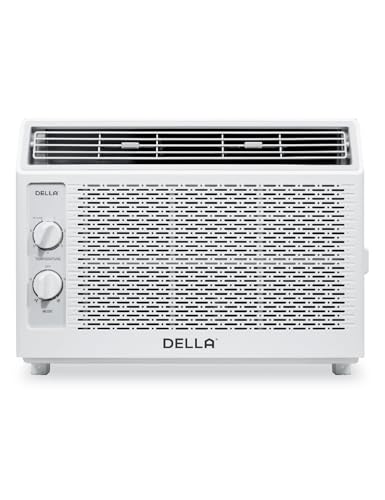
DELLA Window Air Conditioner, 5000 BTU, Cools Up to 150 Sq. Ft | Energy Saving AC Unit Reusable Filter, Easy to Use Mechanical Control, Easy Install Kit, Efficient Cooling For Smaller Areas
Check price on AmazonFrequently Asked Questions About AC Mechanical Systems
What does AC mechanical mean?
AC mechanical refers to the physical components and mechanical systems that make an air conditioner work, including the compressor, condenser, evaporator, expansion valve, and blower fan. These parts work together to transfer heat from indoors to outdoors.
What are the main mechanical components of an air conditioner?
The main mechanical components include the compressor, condenser coil, evaporator coil, expansion valve, blower fan, and condenser fan. Each plays a critical role in the refrigeration cycle.
How often should AC mechanical components be serviced?
Most manufacturers recommend professional servicing once per year, ideally before the cooling season. Filters should be cleaned or replaced every one to three months depending on usage.
What are common signs of AC mechanical failure?
Common signs include reduced cooling, unusual noises, water leaks, frequent cycling, and warm air from vents. These symptoms often point to compressor, fan, or refrigerant issues.
Can I troubleshoot AC mechanical problems myself?
Basic tasks like cleaning filters, checking the thermostat, and inspecting the outdoor unit are safe DIY steps. However, internal mechanical repairs such as compressor replacement or refrigerant handling should be left to licensed HVAC technicians.