AC Technician: The Complete Guide to Hiring, Skills & Service
Understanding what a qualified AC technician does is the first step toward protecting your cooling system, your home, and your long-term comfort. This guide explains the technician's role, the certifications that matter, the services they perform, and how to choose the right professional for installation, repair, and preventive maintenance.
Why this page matters: Whether your air conditioner is blowing warm air, making unusual noises, or simply due for its annual check-up, the technician you invite into your home directly affects the outcome. A well-trained professional diagnoses the real cause, applies the correct fix, and documents the work. A poorly qualified one may mask symptoms, void your warranty, or create safety hazards. This guide helps you tell the difference before you book a service call.
What Is an AC Technician and What Do They Do?
An AC technician is a trained specialist who installs, inspects, troubleshoots, repairs, and maintains air conditioning systems. The role spans mechanical, electrical, and refrigeration disciplines. On any given day, a technician may recover and recharge refrigerant, test compressor windings, measure static pressure in AC ductwork, calibrate a thermostat control system, and verify airflow through an AC register.
Modern systems demand more than mechanical skill. A competent technician understands the AC refrigerant cycle, reads electrical schematics, interprets manufacturer service bulletins, and uses digital gauges, anemometers, and combustion analyzers. When a system behaves inconsistently, they may trace the fault to an electrical problem or a failing evaporator coil before recommending parts.
The role also includes customer communication. A good technician explains findings in plain language, shows photos of worn components, and offers options rather than pressure. This transparency is especially important during AC inspection and AC repair visits where the homeowner must decide whether to proceed.
Core Services Performed by AC Technicians
Installation & Replacement
Correct sizing, line-set routing, electrical hookup, refrigerant charging, and commissioning of new equipment. Proper AC installation determines efficiency and lifespan.
Diagnostic & Repair
Fault tracing for systems that are not cooling, leaking water, making noise, or emitting odors. Includes electrical, refrigerant, and airflow diagnostics.
Preventive Maintenance
Scheduled AC maintenance includes coil cleaning, filter replacement, refrigerant level checks, and electrical tightening to prevent failures before they occur.
Refrigerant Handling
EPA-compliant recovery, leak detection, evacuation, and recharge. Technicians must follow regulations and document refrigerant use for every service call.
System Optimization
Airflow balancing, static pressure measurement, and thermostat calibration to ensure the system delivers rated capacity across every room.
Compliance & Documentation
Warranty registration, refrigerant logs, permit coordination, and clear written reports so homeowners understand what was done and why.
Certifications and Qualifications That Matter
Not every technician carries the same credentials. The table below outlines the most common tiers of qualification so you can evaluate who is arriving at your door. Use it as a reference when comparing AC installers or AC repair companies in your area.
| Qualification Tier | Typical Credential | What It Signals | Best For |
|---|---|---|---|
| Essential Tier | EPA Section 608 Certification | Legal authorization to handle refrigerants; basic environmental and safety compliance. | Any service involving refrigerant recovery, recharge, or leak repair. |
| Balanced Tier | State HVAC License + EPA 608 | Verified competency through state examination; often required for permitted work. | Residential installation, replacement, and major repairs. |
| High-End Tier | NATE Certification | Third-party validation of technical knowledge across system types and diagnostics. | Complex diagnostics, high-efficiency systems, and warranty-sensitive work. |
| Top-Tier | Manufacturer Factory Training | Brand-specific expertise for inverter systems, variable-speed compressors, and controls. | Premium and luxury systems; advanced troubleshooting. |
When evaluating a professional, ask directly which credentials they hold and whether they can provide documentation. A technician who hesitates or cannot confirm EPA certification should not be allowed to handle refrigerant. For complex systems, a certified AC service technician with NATE or manufacturer training is a worthwhile investment in reliability.
How to Hire the Right AC Technician: Step by Step
Hiring a technician is a decision that affects safety, system lifespan, and warranty validity. Follow these steps in order to reduce risk and get transparent service.
- Define the problem clearly. Note when the issue started, what symptoms you observe, and whether the system was recently serviced. Mention specifics such as AC blowing hot air or frozen coils. Clear symptoms help the technician prepare the right tools and parts.
- Verify licensing and insurance. Ask for the company's license number and proof of liability insurance. Uninsured technicians expose you to financial risk if an accident occurs on your property.
- Confirm EPA certification. Any technician handling refrigerant must hold EPA Section 608 certification. Request the certificate type and level.
- Request a written estimate. A professional provides a diagnostic fee structure and a written scope of work before starting repairs. Avoid technicians who quote final figures only after the work is done.
- Check warranty implications. Manufacturer warranties often require licensed installation and documented maintenance. Ask how the proposed work affects your existing coverage.
- Review service terms and timelines. Confirm response time, parts availability, and whether the company offers a maintenance plan such as an AC maintenance plan.
- Ask for post-service documentation. A proper invoice lists refrigerant recovered or added, parts installed, readings recorded, and recommendations for future service.
Red Flags to Watch For
Be cautious if a technician refuses to show credentials, pressures you into immediate replacement without diagnostics, quotes a figure that changes after work begins, or discourages a second opinion. Legitimate professionals welcome questions and provide written documentation for every visit.
When Should You Call an AC Technician?
Some issues are safe to investigate yourself, such as a tripped breaker or a clogged filter. Others require professional attention because they involve refrigerant, high voltage, or complex mechanical systems. Contact a technician promptly if you notice any of the following:
- The system runs but does not cool properly, even after filter replacement and thermostat adjustment.
- You hear grinding, rattling, or screeching sounds during operation that do not resolve.
- Water pools around the indoor unit or drains from the AC leaking into the basement.
- The outdoor fan is not running while the indoor unit continues to operate.
- The unit repeatedly trips the circuit breaker or emits a burning odor.
- Ice forms on the refrigerant lines and returns after defrosting.
- The system is due for its annual maintenance visit and you want a documented inspection.
For persistent problems, a technician may recommend repair versus replacement. If your system is aging and repairs are accumulating, review replace or repair guidance before committing to a major component replacement such as a compressor or evaporator coil.
What to Expect During a Preventive Maintenance Visit
Routine maintenance is the most effective way to extend equipment life and maintain efficiency. A thorough visit typically includes the following tasks:
- Inspection and cleaning of indoor and outdoor coils.
- Filter replacement or cleaning and airflow verification.
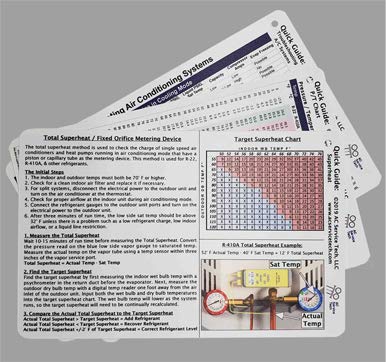
- Refrigerant level check using superheat and subcooling measurements.
- Electrical connection tightening and capacitor testing.
- Condensate drain flushing to prevent water leaks.
- Thermostat calibration and control verification.
- Written report with readings and recommended follow-up items.
Skipping maintenance often leads to preventable failures. A clogged drain pan can cause water damage, a weak capacitor can stall the compressor, and a slow refrigerant leak can drive energy use upward. A technician catches these issues before they escalate. If you are considering a service agreement, compare the inclusions of an AC maintenance plan against the cost of individual visits over the year.
AC Technician vs DIY: Where the Line Should Be
Homeowners can safely handle filter changes, thermostat batteries, and outdoor unit clearance. Beyond that, the risk rises quickly. Refrigerant handling requires certification. Electrical components carry shock hazard. Improper repairs can void warranties and create safety issues. When in doubt, call a professional. The AC troubleshooting guide can help you narrow down symptoms before the call, but it is not a substitute for licensed repair work.
Related Guides for Deeper Understanding
If you are preparing for a service visit or evaluating a repair recommendation, these resources provide useful context:
- AC inspection checklist — what a thorough evaluation should cover.
- AC repair guide — common faults and how technicians approach them.
- Find AC installers in your area — locating qualified professionals.
- AC maintenance guide — tasks that keep a system reliable.
- AC electrical problems — symptoms that require a technician.
Frequently Asked Questions About AC Technicians
What does an AC technician do?
An AC technician installs, diagnoses, repairs, and maintains air conditioning systems. Their work includes refrigerant handling, electrical troubleshooting, airflow testing, thermostat calibration, and preventive maintenance for residential and commercial cooling equipment.
What certifications should a qualified AC technician have?
In the United States, technicians who handle refrigerants must hold EPA Section 608 certification. Additional credentials such as NATE certification, state HVAC licenses, and manufacturer-specific training indicate a higher level of professional competence.
How often should I schedule AC technician service?
An annual preventive maintenance visit is recommended for most residential systems, ideally in spring before peak cooling season. Systems in heavy-use environments or dusty areas may benefit from twice-yearly inspections.
When should I call an AC technician instead of troubleshooting myself?
Call a professional for refrigerant leaks, electrical faults, compressor issues, repeated breaker trips, frozen coils that return after defrosting, or any problem involving gas handling and high-voltage components. These tasks require licensed expertise and specialized tools.
Ready to Book a Qualified Technician?
Use the checklist in this guide to verify credentials, request written documentation, and understand the scope of work before any service begins. A little preparation protects your system and your home.
Find Professionals Near You