Smart AC Thermostats: Smarter Cooling Control for Your Home
Understand how smart thermostats work, compare features that matter, and learn how to choose the right model for your cooling system and lifestyle
START LEARNING
Why smart thermostats matter: A thermostat is the control center of your cooling system. Upgrading from a basic or non-programmable unit to a smart model gives you remote access, learning schedules, occupancy sensing, and detailed energy reports — all of which help you cool more precisely and efficiently.
What Is a Smart AC Thermostat?
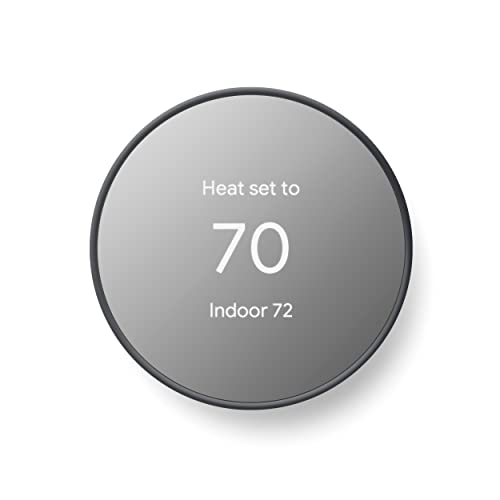
A smart AC thermostat is a Wi-Fi-enabled controller that replaces your traditional thermostat and connects to your home network. Unlike a basic programmable unit that follows fixed schedules, a smart thermostat uses sensors, algorithms, and app-based controls to adapt cooling automatically. Many models learn your routine within the first week and adjust temperature setpoints on their own.
If you are still using a manual unit, our guide to non-programmable thermostats explains the limitations. For a broader look at thermostat control strategies, see AC thermostat control.
How Smart Thermostats Differ from Traditional Models
Learning & Automation
Smart models detect when you are home, away, or asleep, then adjust cooling accordingly. Geofencing uses your phone location to switch modes automatically, while learning algorithms build a schedule from your manual adjustments.
Remote Access
Control temperature from anywhere via smartphone, tablet, or voice assistant. You can pre-cool a room before arriving home or check whether the AC was left running.
Energy Reporting
Detailed runtime and energy-use reports show how long your AC runs each day, helping you spot inefficiencies and adjust habits. Many units also send maintenance reminders for filter changes.
Key Features to Compare Before Buying
- Compatibility: Check support for single-stage, multi-stage, heat pump, and dual-fuel systems. Line-voltage systems (common with mini-splits and single-room AC setups) usually need a dedicated low-voltage smart thermostat or a manufacturer-specific controller.
- C-wire requirement: Most smart thermostats need a common wire for continuous power. Models with power adapter kits are easier to install in older homes without a C-wire.
- Sensor support: Remote temperature sensors help balance cooling in rooms that run warmer or cooler, such as a bedroom or home office.
- Occupancy sensing: Built-in motion or presence detection can trigger eco modes when no one is in the room.
- Humidity control: Some models support humidity-based fan cycling; see our guide to thermostats with humidity control.
- Smart home integration: Compatibility with major voice assistants and home automation platforms matters if you already run a connected home.
Smart Thermostat Tiers: What to Expect at Each Level
Smart thermostats generally fall into three market tiers. The right choice depends on how much automation and integration you need.
Essential Tier
Entry-level smart thermostats offer app control, basic scheduling, and geofencing. They are a solid step up from a non-programmable thermostat without extra sensor support or advanced learning.
Balanced Tier
Mid-range models add learning algorithms, remote sensor compatibility, and richer energy reports. This tier is well-specified for most homes with central AC or a standard thermostat wiring setup.
Top-Tier
High-end smart thermostats include multi-room sensor kits, advanced occupancy detection, detailed diagnostics, and broad smart home integration. They are a long-term investment for larger homes or multi-zone systems.
Installation: What to Know Before You Start
Most smart thermostats are designed for DIY installation with app-guided wiring checks. Before you begin, photograph your existing wiring and use the manufacturer's compatibility checker. If your system lacks a C-wire, you may need a power adapter kit or a professional installer.
For a detailed walkthrough, read our AC thermostat installation guide. If you are unsure about your electrical setup, review common AC electrical problems to understand warning signs such as tripped breakers or low-voltage shorts before starting.
Common Problems and Troubleshooting
After installation, some users notice the AC running but the thermostat not responding as expected. If the temperature on the display does not match the room or the system runs continuously, see our troubleshooting guide for when the AC runs but the thermostat reading will not go down. For broader cooling issues, review AC not cooling solutions and AC troubleshooting.
If your thermostat seems to control only part of the system, read AC only thermostat for guidance on isolating control issues.
Smart Thermostats by Room and Lifestyle
The best thermostat choice depends on where and how you cool. A single-room setup, such as a small area AC or apartment AC, may only need an essential-tier smart thermostat or a manufacturer app. Larger homes with central AC benefit from balanced or top-tier models with remote sensors for rooms like a living room or basement.
For multi-story homes, see AC for multi-story homes and AC for large houses to understand zoning and sensor placement. If you are in a rental, temporary AC solutions for renters covers options that do not require permanent thermostat changes.
Maintenance and Long-Term Care
Smart thermostats reduce wear by cycling the AC more precisely, but they do not replace routine maintenance. Follow our AC maintenance guide for filter changes, coil cleaning, and seasonal checks. Many smart models send filter reminders, which helps keep airflow strong and cooling consistent.
If you notice unusual noises or water leaks alongside thermostat issues, review AC making noise solutions and AC leaking water solutions before assuming the thermostat is the cause.
Frequently Asked Questions
What is a smart AC thermostat?
A Wi-Fi-connected controller that learns your schedule, adjusts cooling automatically, and can be managed remotely via a smartphone app.
Do I need a C-wire?
Most smart thermostats require a C-wire for continuous power. Some models include a power adapter kit or can draw power from existing wiring.
Can I install it myself?
Many models are designed for DIY installation with app guidance. Line-voltage systems and missing C-wires may require a professional.
Will it work with my existing AC?
Most smart thermostats support conventional single-stage, multi-stage, and heat pump systems. Verify compatibility with the manufacturer's checker before buying.
Final Checklist Before You Buy
- Confirm your system type (single-stage, multi-stage, heat pump, line-voltage).
- Check whether a C-wire is present or included via adapter.
- Decide whether you need remote sensors for uneven rooms.
- Confirm smart home and voice assistant compatibility.
- Read the installation guide to understand wiring steps.
- Review thermostat control basics for scheduling strategy.
Once you understand your system and feature needs, you can compare models with confidence and choose the smart thermostat that fits your home and cooling habits.