Adding Air Conditioning to Furnace: A Complete Homeowner's Guide
Discover how to transform your existing furnace into a complete heating and cooling system. Learn about add-on coils, compatibility checks, installation steps, and what to expect from the process.
START READINGWhy this matters: Many homes already have a furnace and ductwork in place. Adding air conditioning to an existing furnace is often a practical way to gain whole-home cooling without installing a separate ductless system. Understanding the process helps you ask the right questions and avoid costly mistakes.
What Does "Adding Air Conditioning to a Furnace" Mean?
Adding air conditioning to a furnace means integrating a cooling component—typically an evaporator coil—into your existing forced-air heating system. The furnace blower then circulates cooled air through the same ductwork that delivers heat in winter. This approach is often called an "add-on AC" or "add-on coil" installation.
This setup is common in homes that were built with heating-only systems or in regions where air conditioning was initially optional. If your home already has a central furnace and ductwork, an add-on AC can be a logical upgrade. For a broader look at system options, see our guide to different types of air conditioning systems.
It is important to note that not every furnace is suitable for an add-on AC. The blower motor, ductwork sizing, electrical capacity, and physical space all play a role. A professional assessment is essential before committing to the project.
Is Your Furnace Compatible with an Add-On AC?
Before you proceed, several factors determine whether your furnace can support an add-on air conditioning system:
Furnace Age & Condition
Older furnaces may have blower motors that are not rated for continuous cooling operation. A furnace that is nearing the end of its service life may not be a good candidate. In some cases, replacing the furnace and AC together is more practical.
Blower Motor Capacity
The blower must be able to move enough air for both heating and cooling. Cooling typically requires higher airflow than heating. If the blower is undersized, the system may not cool effectively or may freeze the coil.
Ductwork Condition & Sizing
Ducts designed only for heating may be undersized for cooling. Leaky or poorly insulated ducts can waste energy and reduce comfort. A duct inspection and air duct sealing may be recommended.
Electrical Capacity
An outdoor condenser and indoor coil require additional electrical circuits. Your electrical panel must have enough capacity to support the new equipment safely.
Physical Space
There must be room to install an evaporator coil above or below the furnace, plus space for refrigerant lines and a condensate drain. Outdoor space is also needed for the condenser unit.
Refrigerant Type Compatibility
New systems use modern refrigerants. The coil and condenser must be matched and compatible with current regulations. Mixing old and new components can lead to inefficiency or safety issues.
If your furnace is relatively modern and the ductwork is in good shape, the odds of a successful add-on installation are higher. However, only a qualified HVAC technician can make a definitive assessment. For related guidance, see heating and cooling contractors.
Components Needed for an Add-On AC Installation
A typical add-on air conditioning project includes the following components:
- Evaporator Coil (A-Coil): Installed in the supply plenum or above the furnace. This coil absorbs heat from indoor air.
- Outdoor Condenser Unit: Releases heat absorbed from your home to the outside air.
- Refrigerant Lines: Connect the indoor coil to the outdoor condenser.
- Condensate Drain: Removes moisture that condenses on the coil during cooling.
- Thermostat: A compatible thermostat controls both heating and cooling. A smart AC thermostat can add convenience and efficiency.
- Electrical Connections: Dedicated circuits for the condenser and indoor components.
- Ductwork Modifications (if needed): Sealing, insulating, or resizing ducts to handle cooling airflow.
The exact components depend on your furnace model, home size, and local climate. A Manual J load calculation helps determine the correct cooling capacity.
Step-by-Step Installation Process
While the specifics vary by home, the general process for adding air conditioning to a furnace follows these steps:
Professional Assessment
An HVAC technician inspects the furnace, ductwork, electrical panel, and available space. They perform a load calculation and recommend a compatible system.
System Design & Permits
The contractor designs the layout and obtains any required permits. This step ensures the installation meets local building codes.
Coil Installation
The evaporator coil is installed in the ductwork above or below the furnace. The plenum may need modification to fit the coil.
Outdoor Condenser Setup
The condenser unit is placed on a level pad outside, with proper clearance for airflow. Refrigerant lines are routed and connected.
Electrical & Drain Connections
Dedicated electrical circuits are run to the condenser and indoor components. A condensate drain is installed and tested.
System Testing & Commissioning
The technician evacuates and charges the refrigerant lines, then tests airflow, temperature drop, and overall system performance.
Final Inspection & Handover
After testing, the contractor explains operation, maintenance, and warranty details. Any required inspections are completed.
Proper installation is critical for efficiency and longevity. Poorly executed add-on projects can lead to refrigerant leaks, inadequate cooling, or premature equipment failure. For help finding a qualified professional, see heating and cooling services in my area.
Benefits and Limitations of Add-On Air Conditioning
Benefits
- Whole-home cooling: Uses existing ductwork to cool multiple rooms.
- Unobtrusive: No window units or bulky portable units in living spaces.
- Integrated control: One thermostat manages both heating and cooling.
- Potential efficiency gains: Modern condensers and coils can be highly efficient. Consider an ENERGY STAR AC for verified performance.
- Long-term investment: A well-installed system can serve the home for many years.
Limitations
- Not all furnaces qualify: Older or undersized blowers may not support cooling.
- Ductwork may need upgrades: Leaky or undersized ducts reduce efficiency and comfort.
- Installation complexity: Requires licensed professionals, permits, and careful planning.
- Not ideal for homes without ducts: If your home lacks ductwork, a ductless mini-split or other solution may be more appropriate.
Weighing these factors helps you decide whether an add-on AC is the right path for your home.
Maintenance Tips for Furnace-Integrated AC Systems
To keep your combined heating and cooling system running efficiently, follow these maintenance practices:
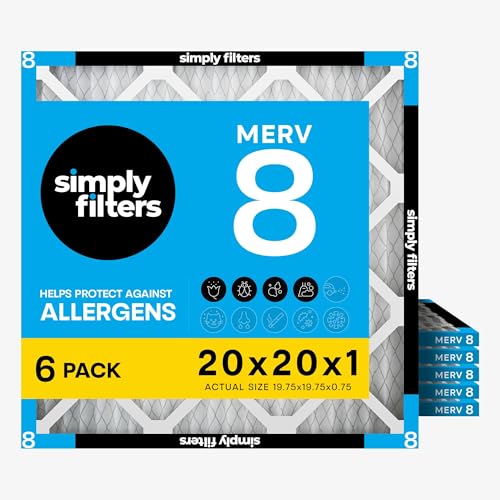
- Change air filters regularly: A clogged filter restricts airflow and strains the blower. Follow the manufacturer's recommendation, typically every 1–3 months.
- Schedule annual tune-ups: Have a technician inspect both the furnace and AC components before each season. See air conditioner tune-up for what to expect.
- Keep the outdoor condenser clean: Remove debris, leaves, and grass clippings from around the unit. Hose down the coils periodically.
- Check the condensate drain: Ensure the drain line is clear to prevent water damage or mold growth.
- Inspect ductwork: Look for obvious leaks or disconnected sections. Consider professional air duct sealing if you notice uneven cooling.
- Monitor performance: If you notice reduced cooling, unusual noises, or higher energy use, call a technician promptly. Our guide on my AC is not cooling my house can help you troubleshoot.
When to Call a Professional
Adding air conditioning to a furnace is not a do-it-yourself project for most homeowners. It involves refrigerant handling, electrical work, and precise sizing. A licensed HVAC contractor ensures the job is done safely and correctly. Here are signs it's time to bring in a pro:
- You are unsure whether your furnace can support an add-on AC.
- Your ductwork is old, leaky, or undersized.
- You need help choosing the right cooling capacity and equipment.
- You want to ensure compliance with local codes and refrigerant regulations.
- You prefer a warranty-backed installation with professional testing.
For assistance finding qualified help, see heating and air conditioning companies in my area. You can also read about heating and cooling contractors to learn what to look for.
Frequently Asked Questions
Can I add air conditioning to any furnace?
Not always. The furnace must have a compatible blower, sufficient airflow capacity, and adequate physical space for a coil. A professional assessment is necessary.
How long does installation take?
Most add-on AC installations take one to two days, depending on the complexity of the ductwork and electrical work required.
Will I need new ductwork?
Not necessarily. If your ducts are properly sized and sealed, they may be suitable for cooling. However, a technician may recommend sealing or modifying ducts for optimal performance.
Can I use my existing thermostat?
Your existing thermostat may work if it supports cooling, but many homeowners upgrade to a programmable or smart AC thermostat for better control and efficiency.
What if my furnace is too old?
If your furnace is near the end of its service life, replacing both the furnace and AC simultaneously may be more practical and efficient than adding a coil to an aging system.
Ready to Explore Your Options?
Adding air conditioning to your furnace can be a smart way to enjoy whole-home comfort without the hassle of window units or portable coolers. By understanding compatibility factors, installation steps, and maintenance needs, you can make an informed decision. When you're ready to explore equipment options, check out our recommended air conditioners below.