Energy Efficient Air Conditioner: A Complete Buyer's Guide
Understand SEER ratings, inverter technology, sizing, and smart controls so you can choose a cooling system that keeps your home comfortable while using less electricity.
Choosing an energy efficient air conditioner is one of the most impactful decisions a homeowner can make for long-term comfort and electricity use. Air conditioning typically accounts for a large share of seasonal energy consumption, and the difference between an entry-level unit and a high-efficiency model becomes significant over years of operation. This guide walks you through the key metrics, technology choices, and practical steps that matter when you are researching before a purchase. If you are still exploring general options, our overview of air conditioning unit options is a useful starting point.
By the end of this guide, you will understand what makes an air conditioner efficient, how to size one correctly, which features deliver real energy savings, and how to avoid the most common mistakes buyers make during the research stage.
What Makes an Air Conditioner Energy Efficient?
Efficiency in air conditioning is about how much cooling you get for each unit of electricity consumed. Several factors combine to determine real-world efficiency, and manufacturers express these through standardized ratings.
SEER and SEER2 Ratings
The Seasonal Energy Efficiency Ratio (SEER) measures cooling output over a typical cooling season divided by electricity input. A higher number means more efficient operation. Under current Department of Energy standards, systems are rated using SEER2, which applies updated testing procedures. If you want a deeper explanation, read our guide on what a SEER rating means and how it applies to modern equipment.
As a general rule, a SEER2 rating of 15 to 16 represents solid mid-tier efficiency, while ratings above 18 place a unit in the high-end tier. Premium and flagship systems push higher still, but the incremental benefit diminishes as ratings climb. Matching the rating to your climate and usage pattern matters more than chasing the highest number.
EER and HSPF Ratings
The Energy Efficiency Ratio (EER) measures efficiency at a single peak temperature, which is useful for hot-climate buyers. For heat pump systems that also provide heating, the Heating Seasonal Performance Factor (HSPF) indicates heating efficiency. Reviewing EER ratings explained alongside SEER gives a fuller picture of year-round performance.
Inverter vs Non-Inverter Compressors
Inverter compressors are central to modern energy efficiency. Instead of cycling on and off at full power, an inverter compressor varies its speed to match the cooling demand. This continuous modulation avoids the energy spike of repeated startup and keeps temperatures steadier. Our comparison of inverter AC technology covers how this works in practice. Non-inverter units remain available at the entry-level tier, but inverter models generally deliver better efficiency in the long run.
ENERGY STAR Certification
ENERGY STAR certified models meet or exceed efficiency thresholds set by the EPA. Choosing a certified unit is a simple way to ensure baseline efficiency without comparing every specification manually. See our overview of ENERGY STAR certified air conditioners for what the label actually guarantees.
Which Type of Efficient Air Conditioner Fits Your Home?
Efficiency depends partly on the system type and how well it suits your space. The table below compares common categories using neutral tier descriptors rather than numeric figures.
| Type | Efficiency Tier | Best For | Key Consideration |
|---|---|---|---|
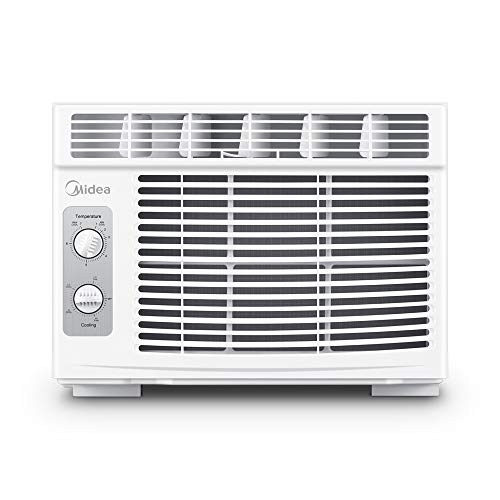
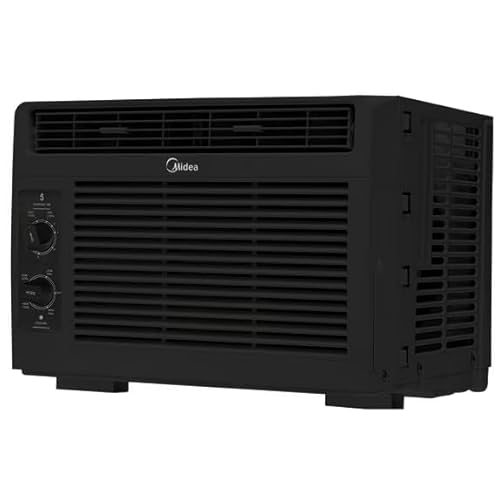
| Window AC | Entry-level to mid-tier | Single rooms, renters | Simple install; efficiency varies widely by model |
| Portable AC | Entry-level to mid-tier | Temporary or flexible cooling | Exhaust venting affects real-world efficiency |
| Ductless Mini-Split | Mid-tier to high-end tier | Homes without ductwork | Inverter compressors are common; zone control saves energy |
| Central AC | Mid-tier to premium | Whole-home cooling | Duct sealing and insulation strongly affect performance |
| Heat Pump | High-end tier | Year-round heating and cooling | HSPF rating matters for heating efficiency |
For smaller spaces, our guide to air conditioners for small rooms explains how to match capacity and efficiency without overspending on capability you will not use. Apartment dwellers may find the considerations in AC units for apartments especially helpful, since installation constraints often shape which efficient models are practical.
Ductless Mini-Split Efficiency
Ductless mini-split systems are frequently among the most efficient options because they avoid duct losses entirely. In homes without existing ductwork, a ductless mini-split AC can deliver high efficiency without the expense and disruption of installing ducts. Zoned operation means you cool only the rooms in use, which compounds savings over time.
Central Systems and Ductwork
A high-efficiency central unit can underperform if the duct system leaks. Sealing and insulating ducts is often as important as the equipment rating itself. If you are adding cooling to an existing heating system, review adding air conditioning to existing ducted heating to understand how the two systems interact.
Sizing: The Overlooked Efficiency Factor
An oversized air conditioner is one of the most common efficiency mistakes. A unit that is too large cools the room quickly and then cycles off, failing to remove humidity and wasting energy on repeated startups. An undersized unit runs constantly and cannot reach the set temperature. Both scenarios reduce efficiency regardless of the SEER rating on the label.
Correct sizing starts with a load calculation based on square footage, ceiling height, insulation, window area, and climate. Our guide on how to size an air conditioner walks through the process. For a quick reference, the BTU calculator by room size helps you estimate capacity before consulting a professional.
If you already suspect a sizing problem, our article on what happens when an AC is too big or too small explains the symptoms and remedies.
Features That Deliver Real Energy Savings
Variable-Speed and Two-Stage Operation
Variable-speed systems modulate compressor and fan speed across a wide range, closely matching output to demand. Two-stage systems offer a high and low setting, which is a meaningful step up from single-stage operation. Learn how these compare in our breakdown of variable speed air conditioners and two-stage AC systems.
Smart Thermostats and Scheduling
A smart or programmable thermostat prevents cooling an empty home. Scheduling setbacks during work hours and overnight can reduce runtime noticeably. Pairing an efficient unit with a programmable thermostat is covered in our guide on using a programmable thermostat. For units with built-in connectivity, ACs with Wi-Fi and smart control allow remote management and usage insights.
Ceiling Fans and Airflow
Using a ceiling fan alongside an air conditioner lets you set the thermostat slightly higher while maintaining comfort. The airflow improves perceived cooling without additional compressor load. See our tips on using a ceiling fan with your AC.
Filter Maintenance
A clogged filter restricts airflow and forces the system to work harder. Regular cleaning is one of the simplest efficiency habits. Our guide on AC unit filters explains types and maintenance intervals, and when to replace an AC filter covers the timing.
Practical Ways to Reduce Cooling Energy Use
Equipment efficiency is only part of the equation. Behavioral and building-level adjustments often deliver savings comparable to upgrading hardware.
- Set a sensible temperature. Each degree of adjustment changes runtime. Our guide on the ideal AC temperature setting explains how to balance comfort and efficiency.
- Seal air ducts. Leaky ducts waste cooled air before it reaches living spaces. See sealing air ducts for efficiency.
- Use zoning. Cooling only occupied rooms reduces load. Learn about HVAC zoning systems.
- Address the building envelope. Insulation, window shading, and weatherstripping reduce heat gain and let a smaller, more efficient unit do the job.
- Schedule professional maintenance. Annual service keeps refrigerant levels and components in spec. Our guide on annual AC service explains what to expect.
For a broader checklist, see our article on reducing your AC electricity bill.
Common Mistakes When Choosing an Efficient AC
- Buying on rating alone. A high SEER2 unit installed with leaky ducts or oversized capacity will not deliver its rated efficiency.
- Ignoring climate. Efficiency ratings are seasonal averages. In very hot climates, EER and real-world performance at peak temperature matter more.
- Skipping load calculation. Guessing capacity based on square footage alone often leads to oversizing.
- Neglecting installation quality. Proper refrigerant charge, line sizing, and airflow setup are essential. Review common AC installation mistakes before hiring a contractor.
- Overlooking warranty terms. Efficiency claims are backed by warranties that require professional installation and maintenance. See AC warranty explained.
When Is It Time to Upgrade to a More Efficient Unit?
Older systems that require frequent repairs or use older refrigerants may no longer be efficient by current standards. If your unit struggles to maintain temperature, runs constantly, or has needed repeated refrigerant top-ups, an upgrade may be worthwhile. Our guide on replace vs repair helps frame the decision, and AC warranty claim guide covers what to check before replacing equipment still under coverage.
Also consider refrigerant regulations. Older refrigerants are being phased out, and new systems use alternatives with different efficiency profiles. Our article on the R410A phase out explains the transition.
Frequently Asked Questions
What SEER rating makes an air conditioner energy efficient?
A SEER2 rating of 15 to 16 is generally considered efficient for residential systems, while ratings above 18 place a unit in the high-end tier. Higher ratings indicate more cooling per unit of electricity, but the practical benefit depends on climate, sizing, and installation quality.
Does an inverter air conditioner really save energy?
Yes. Inverter compressors vary speed continuously rather than cycling at full power. This reduces peak electricity draw and maintains steadier temperatures, which lowers consumption over long cooling sessions compared with fixed-speed operation.
What size energy efficient AC do I need for a small room?
For a room up to 150 square feet, a 5,000 to 6,000 BTU unit is typically appropriate. Matching capacity to room size is essential—oversizing wastes energy through short cycling. Use a BTU calculator and confirm with a load calculation.
Do smart thermostats improve air conditioner efficiency?
Smart thermostats improve efficiency by learning schedules and reducing cooling when the home is empty. Pairing a high-efficiency unit with a programmable or smart thermostat helps avoid unnecessary runtime and supports consistent savings.
Final Thoughts
An energy efficient air conditioner is more than a rating on a label. The right choice combines appropriate capacity, inverter or variable-speed technology, a suitable system type for your home, and quality installation. Buyers who research these factors before purchasing are far more likely to see the efficiency they expected translate into real comfort and lower energy use. Use the guides linked throughout this page to dig into each topic, then compare models with confidence.
Product recommendations below are provided to help you explore options. Always verify specifications and compatibility with your space before purchasing.