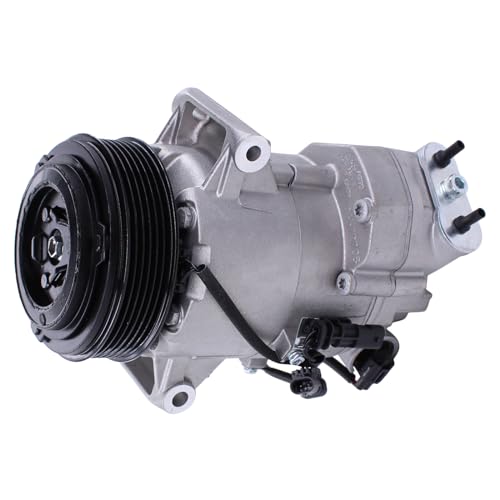
Air Conditioner Compressor Repair: Complete Guide
Understand the warning signs of a failing compressor, learn which issues can be repaired, and discover when a full replacement makes more sense for your cooling system.
Start DiagnosingThe compressor is often called the heart of an air conditioning system. It circulates refrigerant through the entire loop, raising pressure and temperature so the system can release heat outdoors and deliver cool air indoors. When this component starts to fail, the symptoms can range from reduced cooling capacity to a completely dead unit. Understanding how the compressor works, what typically goes wrong, and which repair options are realistic helps homeowners make confident decisions instead of rushing into unnecessary work.
This guide breaks down the most common compressor problems, the diagnostic steps technicians follow, and the situations where repair is a solid long-term investment versus when replacement of the component or the whole condenser unit is the smarter path. It also covers preventive maintenance practices that extend compressor life and reduce the chance of a mid-summer breakdown.
Quick insight: Not every compressor failure requires a new compressor. A significant share of "dead compressor" calls turn out to be a failed run capacitor, a tripped contactor, or a wiring issue. Proper diagnosis before replacement saves both time and system downtime.
How an AC Compressor Works
The compressor sits in the outdoor condensing unit and performs one essential job: it takes low-pressure, low-temperature refrigerant vapor from the evaporator coil and compresses it into a high-pressure, high-temperature vapor. That hot gas then travels to the condenser coil, where airflow releases heat to the outside air, and the refrigerant condenses back into a liquid before returning indoors through the expansion valve.
Most residential systems use one of two compressor designs. A reciprocating compressor uses pistons and valves to compress refrigerant, similar to an engine. A scroll compressor uses two interlocking spiral scrolls, one fixed and one orbiting, to squeeze refrigerant continuously. Scroll compressors are common in modern high-efficiency systems because they have fewer moving parts and run more smoothly. Both types rely on clean refrigerant, correct lubrication, stable electrical supply, and adequate airflow to survive a full service life.
Because the compressor is a precision-machined device operating under high pressure, it is sensitive to several conditions: refrigerant undercharge or overcharge, moisture or acid in the system, electrical voltage fluctuations, short cycling, and dirty coils that cause it to overheat. Each of these stress factors accelerates wear and can eventually lead to mechanical seizure or motor burnout.
Common Signs Your Compressor Needs Attention
Compressor problems rarely appear without warning. The trick is recognizing the early signals and arranging service before secondary damage occurs. The following symptoms are the ones technicians encounter most often:
Warm Air From Vents
The system runs, but the air is not cold. This often means the compressor is not engaging or is running inefficiently.
Loud Grinding or Clanking
Mechanical noises from the outdoor unit suggest internal wear, loose components, or a failing bearing.
Frequent Breaker Trips
Repeated tripping when the AC starts points to electrical overload, a shorted compressor, or a failing capacitor.
Compressor Won't Start
Humming but not running, or silence when the contactor closes, can indicate a seized compressor or electrical fault.
Excessive Vibration
Abnormal shaking of the outdoor unit can stem from worn internal parts or loose mounting hardware.
High Energy Consumption
A compressor that works harder than it should draws more current and may overheat, shortening its life.
If you notice any of these signs, the safest next step is to switch the system off and arrange an inspection. Continuing to run a compressor with low refrigerant or a failing capacitor can turn a repairable issue into a full burnout. For a detailed walkthrough of the replacement process when repair is not viable, see this guide on AC unit compressor replacement.
Diagnostic Process: What Technicians Check First
A proper compressor diagnosis follows a logical sequence. Before condemning the compressor, a technician verifies that the rest of the system is functioning and that the compressor is actually receiving the power and signals it needs.
- Thermostat and control signals. Confirm the thermostat is calling for cooling and that the indoor and outdoor units are receiving the signal. A faulty thermostat or control board can mimic compressor failure.
- Electrical supply and contactor. Measure voltage at the contactor and compressor terminals. A pitted contactor or loose connection can prevent the compressor from starting even when the component itself is healthy.
- Capacitor testing. The run capacitor provides the phase shift needed for the compressor motor to start and run smoothly. A bulging or out-of-spec capacitor is one of the most common causes of "compressor won't start" calls and is a straightforward repair.
- Winding resistance and insulation tests. A multimeter check across the compressor terminals reveals open windings, shorts, or grounds. A megohmmeter test checks insulation resistance to ground, which indicates motor insulation breakdown.
- Refrigerant charge and pressures. Low or high suction and discharge pressures can point to charge issues, restrictions, or internal compressor valve problems. Correct charge is essential for compressor longevity.
- Mechanical check. If electrical tests pass but the compressor hums and trips on overload, the internal mechanism may be seized. In this case, replacement is usually the only practical option.
Safety note: Compressor diagnostics involve high voltage and refrigerant under pressure. Capacitors can hold a dangerous charge even after power is removed. This work should be performed by a licensed HVAC technician using proper lockout procedures and personal protective equipment.
Repair or Replace: Comparing the Options
Once the fault is identified, the decision comes down to whether the issue is external to the compressor (repairable) or internal (usually replacement). The table below summarizes the typical scenarios and the recommended approach.
| Issue | Typical Cause | Recommended Approach |
|---|---|---|
| Compressor won't start but hums | Failed run capacitor or stuck contactor | Replace capacitor or contactor; compressor often fine |
| Trips breaker immediately | Shorted compressor windings or wiring fault | Electrical diagnosis; compressor replacement if shorted |
| Runs but no cooling | Low refrigerant, valve failure, or restriction | Leak repair and recharge, or compressor replacement if valves failed |
| Grinding or clanking noise | Internal mechanical wear or loose components | Compressor replacement; investigate cause of wear |
| Compressor seized | Lack of lubrication, overheating, or acid buildup | Full compressor replacement with system flush |
| Repeated capacitor failures | Voltage spikes or failing compressor motor | Check electrical supply; consider compressor condition |
For a broader cost-oriented comparison of component-level versus system-level work, review the breakdown on compressor replacement cost AC and the more detailed analysis of air conditioner compressor replacement cost. These resources help frame the decision in terms of system age and expected remaining life.
When the compressor is confirmed as the failed component and the rest of the system is in good condition, a targeted compressor replacement is often the most efficient path. Technicians will recover refrigerant, flush the lines to remove acid and debris, install the new compressor, replace the filter drier, evacuate the system, and recharge to the manufacturer's specification. Skipping the flush or filter drier replacement is a common cause of repeat failures.
If the outdoor unit is older and has a history of refrigerant leaks, failing fan motors, or rusted coils, replacing only the compressor may not be the best long-term decision. In those cases, a full condenser or system replacement delivers better reliability and efficiency. The guide on air conditioning unit repair cost covers how to weigh these scenarios.
What a Professional Compressor Repair Involves
A properly executed compressor repair or replacement follows a defined sequence. Understanding these steps helps homeowners ask the right questions and verify that the work is done to standard.
- Refrigerant recovery. All refrigerant is recovered into approved cylinders per EPA regulations. It is never vented to the atmosphere.
- Electrical disconnection and component removal. Power is locked out, wiring is labeled, and the failed compressor is removed from the base pan.
- System flush. Lines and coils are flushed to remove acid, moisture, and metal debris that could contaminate the new compressor.
- New filter drier installation. A new filter drier is mandatory after any compressor replacement to capture residual moisture and particles.
- New compressor mounting. The replacement compressor is set on new rubber grommets, and electrical connections are torqued to specification.
- Evacuation and leak test. The system is evacuated to a deep vacuum and held to confirm no leaks before charging.
- Charging and performance verification. Refrigerant is weighed in per the nameplate, and superheat and subcooling are measured to confirm correct operation.
After the repair, the technician should provide readings for suction and discharge pressures, superheat, subcooling, and compressor amperage. These numbers document that the system is operating within design parameters and give a baseline for future service visits.
Warranty consideration: Compressor replacements performed by unlicensed technicians or without proper documentation can void the manufacturer's warranty. Always confirm that the contractor will register the part and provide written documentation of the repair.
Preventive Maintenance That Extends Compressor Life
Most compressor failures are preventable with consistent maintenance. The compressor is a robust component, but it depends on the rest of the system to stay within its operating envelope. The following practices have the greatest impact on longevity:
- Replace air filters regularly. Restricted airflow reduces evaporator performance and can cause the compressor to work harder or short cycle. Check filters monthly during peak season.
- Keep condenser coils clean. Dirt and debris on the outdoor coil raise head pressure and force the compressor to run hotter. A seasonal coil cleaning protects the compressor.
- Maintain correct refrigerant charge. Undercharge causes overheating; overcharge stresses the compressor and reduces efficiency. Charge should only be adjusted after a proper superheat and subcooling analysis.
- Fix leaks promptly. A slow refrigerant leak left unaddressed eventually leads to compressor damage from inadequate lubrication and cooling of the motor windings.
- Stabilize electrical supply. Voltage sags and surges stress the compressor motor. A surge protector at the disconnect or a whole-home protector can reduce risk.
- Schedule annual tune-ups. A professional spring inspection catches capacitor degradation, contactor pitting, and refrigerant issues before they escalate. See air conditioning tune-up service for what a thorough visit includes.
Homeowners who prefer a structured maintenance schedule can benefit from an air conditioner annual maintenance contract, which typically includes two visits per year and priority service during peak demand.
When to Call a Professional
Compressor diagnosis and repair is not a DIY task. The combination of high voltage, refrigerant handling regulations, and precision measurement requirements means that licensed technicians with proper tools and training should perform the work. Homeowners can safely handle filter changes, coil cleaning from the outside, and visual inspections, but anything involving the electrical compartment or refrigerant circuit should be left to a professional.
Signs that it is time to call a technician immediately include a burning smell near the outdoor unit, repeated breaker trips, ice formation on the indoor coil combined with warm outdoor airflow, and any loud mechanical noise from the compressor. Prompt service often prevents secondary damage to the compressor and other components. For a wider look at system-level service decisions, the overview of air conditioning and heating services explains what different service tiers typically cover.
Frequently Asked Questions
What are the most common signs of a failing compressor?
Warm air from the vents, loud grinding or clanking, frequent breaker trips, the compressor failing to start, and excessive vibration are the most common indicators. Early signs often include longer run times and reduced cooling capacity.
Can a compressor be repaired instead of replaced?
External issues such as a failed capacitor, contactor, or wiring can be repaired without replacing the compressor. Internal mechanical failures, seized compressors, and shorted motor windings generally require replacement.
How long does a well-maintained compressor last?
With regular maintenance and correct refrigerant charge, a compressor typically lasts 10 to 15 years. Clean coils, stable electrical supply, and prompt leak repair are the biggest factors in achieving the upper end of that range.
Is it worth repairing a compressor on an older system?
It depends on the system's age and overall condition. If the unit is over 10 to 12 years old and other components are also aging, full system replacement may offer better reliability and efficiency. A qualified technician should assess the whole system before a decision is made.
Why does the compressor keep tripping the breaker?
Repeated breaker trips usually indicate a shorted compressor winding, a failing capacitor, a loose electrical connection, or a compressor drawing excessive current due to mechanical binding. Each cause requires a different diagnostic approach.
Related Guides
Explore these related resources to deepen your understanding of compressor service and system-level decisions:
- Air conditioning unit repair cost – how to frame repair decisions against system value.
- AC unit compressor replacement – step-by-step replacement considerations.
- Air conditioner compressor replacement cost – component-level comparison.
- AC handler blower motor replacement – airflow-side component service.
- Air conditioner coolant leak – why leaks damage compressors.
- Air conditioning tune-up service – preventive maintenance scope.
- Air conditioner annual maintenance contract – structured care plans.