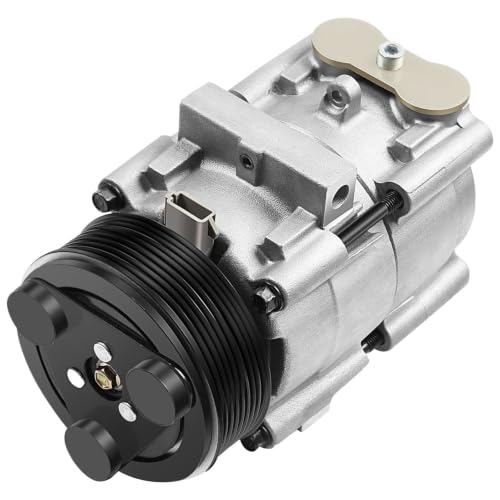
Air Conditioner Compressor Replacement: Complete Guide
Understand what compressor replacement involves, recognize the warning signs of failure, and make a confident decision between repair and full system replacement.
The compressor is the heart of your air conditioning system. When it fails, your home loses cooling entirely, and the decision that follows can feel overwhelming. This guide walks you through the compressor's role, the symptoms of failure, the replacement process, and the factors that help you choose wisely between replacing the compressor and investing in a new system.
What Does the AC Compressor Do?
The compressor sits in the outdoor unit and acts as the engine of the refrigeration cycle. It pressurizes refrigerant gas and pushes it through the condenser coils, where heat is released and the refrigerant condenses into a liquid. That liquid then travels indoors to the evaporator coil, absorbs heat from your home, and returns to the compressor to start the cycle again. Without a functioning compressor, the system cannot move heat, and the air blowing from your vents will feel warm or room-temperature.
Because the compressor runs under high pressure and continuous load, it is one of the most stressed components in any air conditioning system. Understanding this helps explain why compressor issues often sit at the center of repair-or-replace decisions. If you want a broader look at the component itself, see our guide on AC unit compressor replacement for related context.
Signs Your Compressor May Need Replacement
Compressors rarely fail without warning. Most give clear signals over days or weeks before total failure. Recognizing these signs early can save you from a complete system breakdown during peak summer heat.
Warm Air From Vents
The system runs but blows warm or room-temperature air. This often indicates the compressor is not pressurizing refrigerant, though a refrigerant leak can produce the same symptom.
Loud or Unusual Noises
Grinding, clanking, or humming from the outdoor unit can signal internal mechanical wear. A clicking sound at startup that repeats may point to a failing start component.
Frequent Breaker Trips
If the outdoor unit trips the circuit breaker repeatedly, the compressor may be drawing excessive current due to internal shorting or seized bearings.
System Short Cycling
Rapid on-off cycling without reaching the thermostat setpoint places extra strain on the compressor and often precedes failure.
Outdoor Unit Not Running
The indoor fan may run, but the outdoor unit stays silent. A seized compressor or a failed capacitor can both cause this, so diagnosis is essential.
Visible Oil or Burn Marks
Oil residue near compressor terminals or scorched wiring suggests internal overheating or electrical failure. This requires immediate professional attention.
If you notice any of these symptoms, a technician should confirm whether the compressor itself has failed or whether a related component such as a capacitor or contactor is the real culprit. Misdiagnosis is common, and replacing a compressor that only needed a minor electrical part is an avoidable expense. For refrigerant-related symptoms, our article on air conditioner coolant leak explains how leaks mimic compressor failure.
How the Replacement Process Works
Compressor replacement is a skilled procedure that involves handling refrigerant, electrical connections, and brazing work. It is not a do-it-yourself task. Here is the typical sequence a qualified technician follows.
- Diagnosis and Confirmation The technician tests electrical components, checks refrigerant pressure, and confirms the compressor has mechanically or electrically failed before recommending replacement.
- Refrigerant Recovery All refrigerant is recovered into a certified cylinder. Federal regulations require recovery rather than venting to the atmosphere.
- Electrical Disconnection and Removal Power is shut off at the disconnect. Wiring and refrigerant lines are disconnected, and the old compressor is unbolted and removed from the outdoor unit.
- New Compressor Installation The replacement compressor is set in place, new vibration isolators are installed, and electrical connections are made according to the manufacturer's specifications.
- Brazing and Leak Testing Refrigerant lines are brazed with nitrogen purging to prevent oxidation. The system is then pressure-tested to confirm there are no leaks.
- Vacuum and Recharge The system is evacuated to remove moisture and non-condensable gases, then recharged with the correct refrigerant charge by weight.
- Startup and Verification The technician measures amp draw, suction and discharge pressures, and temperature differential to confirm the new compressor is operating correctly.
The entire process typically takes several hours, and the outdoor unit must be accessible. Older systems may require additional work if line sets or electrical components have degraded.
Compressor Replacement vs. Full System Replacement
This is the central decision every homeowner faces. There is no single right answer, but several factors point clearly in one direction or the other.
When Compressor Replacement Makes Sense
- The system is relatively new and still under parts warranty, especially if the compressor itself is covered.
- The outdoor and indoor coils are in good condition with no signs of corrosion or leaks.
- The system uses a refrigerant type that is still readily available and serviceable.
- The rest of the system has been well maintained and has no history of major failures.
- The compressor is the only failed component, confirmed through proper diagnostic testing.
When Full System Replacement Is the Better Choice
- The system is near or beyond its expected service life, typically over a decade old.
- The compressor failure is accompanied by a refrigerant leak in the coils or a failed evaporator.
- The system uses an older refrigerant that is being phased down or is no longer produced.
- Replacement parts for the specific model are difficult to source.
- Energy efficiency is a priority, and a new system would deliver meaningful long-term savings.
A useful rule of thumb many technicians apply: if the equipment is in the later portion of its service life and the compressor is the second major failure, full replacement usually provides better long-term reliability. If you are weighing a similar decision on a related component, our guide on air conditioner compressor repair covers repair options in more detail.
| Factor | Compressor Replacement | Full System Replacement |
|---|---|---|
| Best for | Newer systems with a single failed component | Aging systems with multiple issues or refrigerant concerns |
| Disruption | Outdoor unit work, system downtime of several hours | Indoor and outdoor work, potentially a full day |
| Warranty | Often covers the part; labor may be separate | New equipment and labor warranty on the full system |
| Efficiency outcome | Unchanged; existing efficiency rating remains | Upgraded efficiency with modern equipment |
| Long-term reliability | Dependent on the condition of remaining components | Reset with a fresh system and new warranty |
Factors That Influence Your Decision
Beyond age and warranty, several practical considerations shape the right choice for your home.
System Age and Service Life
Central air conditioning systems generally have an expected service life in the range of 12 to 18 years with proper maintenance. A compressor failure in a system that is already in its later years often signals that other components are approaching the end of their useful life as well. Replacing only the compressor in such a system can lead to a cascade of follow-up failures.
Refrigerant Type and Availability
Older systems may use refrigerants that are subject to phasedown regulations. Servicing such systems can become progressively more difficult as refrigerant supplies tighten. A new system using current refrigerant standards avoids this future complication entirely. Our overview of R410A phase out explains the regulatory landscape.
Warranty Coverage
Many manufacturers provide a parts warranty that covers the compressor for a defined period. If your system is within that window, compressor replacement may involve only labor charges, which shifts the economics significantly. Always check the warranty terms and whether they transfer to a new owner.
Overall System Condition
A technician should inspect the evaporator coil, condenser coil, ductwork, and electrical components before recommending a path. A system with a clean coil, sound ductwork, and no refrigerant leaks is a strong candidate for compressor-only replacement. A system with corrosion, prior leaks, or degraded ductwork is not.
Comfort and Efficiency Goals
If your current system struggles to keep certain rooms comfortable or runs constantly during moderate weather, a new system sized and installed correctly can resolve those issues in ways a compressor swap cannot. Modern equipment also delivers higher efficiency ratings, which matters if you plan to stay in the home long term.
Preparing for Compressor Replacement
A little preparation makes the process smoother and helps you avoid surprises.
- Obtain a written diagnosis that explains exactly which tests confirmed compressor failure.
- Request a written estimate that separates parts, labor, refrigerant, and any additional materials.
- Confirm whether the replacement compressor carries its own warranty and what that warranty covers.
- Ask the technician to inspect the capacitor, contactor, and wiring while the unit is open, since these are common companion failures.
- Clear access to the outdoor unit and ensure the disconnect is reachable.
- Plan for a few hours of system downtime and arrange alternative cooling if the weather is hot.
Choosing a qualified contractor matters as much as the equipment itself. Our guide on how to choose an HVAC contractor outlines the credentials and questions to verify before work begins.
Maintenance That Extends Compressor Life
Compressors fail prematurely for predictable reasons. Addressing these factors protects your investment.
- Keep the condenser coil clean. A clogged outdoor coil forces the compressor to work harder and run hotter.
- Replace air filters regularly. Restricted airflow reduces system capacity and increases compressor load.
- Maintain the correct refrigerant charge. Undercharge and overcharge both shorten compressor life.
- Fix refrigerant leaks promptly. Low refrigerant causes the compressor to overheat and eventually seize.
- Inspect electrical components annually. Weak capacitors and pitted contactors stress the compressor at every startup.
- Schedule professional tune-ups. A seasonal inspection catches small issues before they become compressor failures.
An annual maintenance agreement is one of the most reliable ways to prevent unexpected compressor failure. Our overview of air conditioner annual maintenance contracts explains what a good plan should include.
What a Technician Should Check Before Replacing
Not every warm-air complaint is a compressor failure. A thorough technician rules out the simpler and more common causes first.
- Thermostat settings and calibration
- Air filter condition and airflow restriction
- Capacitor and contactor operation
- Refrigerant pressures and superheat/subcooling readings
- Compressor winding resistance and insulation resistance
- Start relay and overload protector condition
- Electrical supply voltage and breaker condition
- Condenser coil cleanliness and fan operation
If a technician recommends replacement without performing these checks, seek a second opinion. The cost of a proper diagnosis is always less than the cost of an unnecessary compressor replacement.
Make a Confident Decision About Your System
Whether you choose compressor replacement or a full system upgrade, the right choice starts with a clear diagnosis and an honest assessment of your equipment's condition. Explore our detailed guides on components, maintenance, and contractor selection to protect your investment.
Explore AC RecommendationsFrequently Asked Questions
How long does a compressor replacement take?
Most compressor replacements take between three and six hours for a qualified technician, depending on access to the outdoor unit and whether additional repairs are needed. Complex installations or systems requiring line set modifications may take longer.
Can I replace a compressor myself?
Compressor replacement involves handling regulated refrigerants, brazing with nitrogen, electrical work at high voltage, and precise charging by weight. It requires specialized tools, certification, and permits in most jurisdictions. This is not a task for homeowners without HVAC training and licensing.
How long should a replacement compressor last?
A properly installed compressor in a well-maintained system can last many years, often matching the remaining service life of the equipment. Longevity depends heavily on correct refrigerant charge, clean coils, adequate airflow, and electrical component health.
Does a new compressor come with a warranty?
Replacement compressors typically carry a manufacturer's parts warranty, often ranging from one year to five years or more depending on the brand and whether the unit was registered. Labor warranty is usually separate and provided by the installing contractor. Always confirm both in writing.
Why do compressors fail in the first place?
Common causes include refrigerant undercharge or overcharge, restricted airflow from dirty filters or coils, failed capacitors and contactors, electrical supply problems, and simply reaching the end of mechanical service life. Identifying and correcting the root cause is essential, because installing a new compressor into a system with an unresolved problem will lead to repeat failure.
Is it better to replace the compressor or the whole system?
It depends on system age, warranty coverage, refrigerant type, and the condition of the coils and ductwork. A newer system with a single failed component is usually a good candidate for compressor replacement. An aging system with multiple issues or obsolete refrigerant is often better served by full replacement. A technician's inspection should guide the decision.
What happens if I keep running the system with a failing compressor?
Running a system with a failing compressor can cause further damage to electrical components, contaminate the refrigerant circuit with debris, and in some cases damage the indoor coil or line set. It also risks a complete breakdown at the worst possible time. Prompt diagnosis protects the rest of the system.
Final Thoughts
Air conditioner compressor replacement is a significant decision, but it becomes manageable when you understand the component, recognize the warning signs, and evaluate the decision through the lens of system age, warranty, and overall condition. A thorough diagnosis is the foundation of every good outcome. Whether you replace the compressor or the entire system, prioritize qualified installation, correct refrigerant charging, and ongoing maintenance to protect your investment for years to come.
For related component and service topics, explore our guides on AC unit fan motor replacement, expansion valve replacement, and air conditioning tune-up service to round out your understanding of system maintenance.