A water leak from your air conditioner or furnace is one of the most common—and most alarming—HVAC problems a homeowner can face. Whether you notice a puddle near the indoor air handler, water stains on the ceiling, or a dripping sound coming from the utility closet, the source of the leak must be identified and addressed quickly. Left unchecked, moisture can lead to mold growth, structural damage, and costly repairs.
This guide explains the differences between AC and furnace leaks, walks through the most likely causes, offers practical troubleshooting steps, and helps you decide when to call a professional. By the end, you will understand exactly what to do when your air conditioner furnace leaking water issue arises.
Key Insight: While air conditioners and furnaces share the same air handler and ductwork, the source of a water leak is usually different. AC leaks are typically tied to condensation and drainage, while furnace leaks often stem from flue gases, humidifiers, or condensate from high-efficiency models.
Why Is My AC or Furnace Leaking Water?
Before diving into specific causes, it helps to understand the basic physics. Your air conditioner removes heat and humidity from indoor air. As warm air passes over the cold evaporator coil, moisture in the air condenses into water, which drips into a drain pan and exits through a condensate drain line. A furnace, on the other hand, does not normally produce water—unless it is a high-efficiency condensing furnace, which extracts heat from flue gases and creates acidic condensate that must also be drained.
When any part of these drainage systems fails, water ends up where it should not be. The following sections break down the most common culprits for each system.
Common Causes of AC Water Leaks
1. Clogged Condensate Drain Line
The condensate drain line is a small PVC pipe that carries water from the drain pan to a floor drain or outside your home. Over time, algae, dust, and debris can accumulate inside the line, creating a blockage. When the line is clogged, water backs up into the drain pan and eventually overflows. This is the single most common cause of AC leaks. Regular maintenance, including flushing the drain line with vinegar, can prevent this issue.
2. Dirty Air Filter
A clogged air filter restricts airflow across the evaporator coil. When airflow is reduced, the coil gets too cold and can freeze. As the ice melts, it overwhelms the drain pan, causing a leak. Changing your filter every one to three months is a simple way to avoid this problem. If you notice your AC fan blowing but no cold air, a frozen coil may be the reason.
3. Frozen Evaporator Coil
Beyond dirty filters, low refrigerant levels or a malfunctioning blower motor can cause the evaporator coil to freeze. When the system is turned off, the ice melts rapidly and can overflow the drain pan. If you see ice on the refrigerant lines or the indoor coil, turn off the AC and call a technician to check for refrigerant leaks or airflow issues.
4. Damaged or Rusted Drain Pan
The drain pan sits beneath the evaporator coil and collects condensation. Over years of use, pans can rust, crack, or develop pinhole leaks. If the pan itself is damaged, water will drip directly onto the floor or into the cabinet. In some cases, a drip pan replacement is necessary to resolve the issue permanently.
5. Improper Installation
If the air handler or drain pan is not leveled correctly, water can pool on one side and overflow. This is often a problem in newer installations or after a system has been moved. A qualified HVAC technician can re-level the unit and ensure proper drainage.
6. Condensate Pump Failure
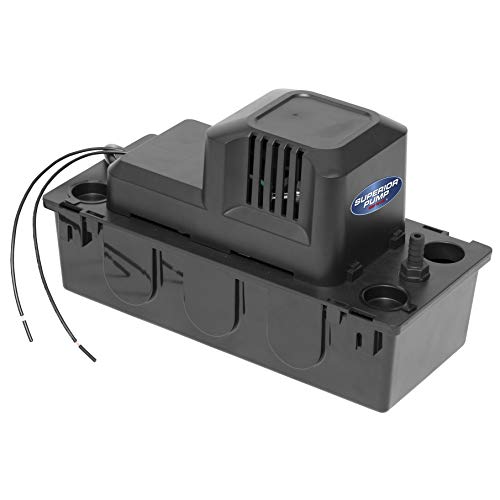
In some homes, especially those with basement air handlers, a condensate pump is used to move water to a distant drain. If the pump fails or the float switch sticks, water will back up and leak. Testing the pump periodically or replacing it when it fails is essential. You can learn more about AC pumps in our detailed guide.
Common Causes of Furnace Water Leaks
1. High-Efficiency Furnace Condensate
High-efficiency (condensing) furnaces extract so much heat from flue gases that water vapor condenses into liquid. This acidic condensate is collected in a pan or trap and drained away. If the drain line is clogged, the condensate pump fails, or the trap is dirty, water can leak from the furnace. This is a common issue in modern homes and should be addressed by a professional, as the condensate is corrosive.
2. Humidifier Leaks
Many furnaces are paired with a whole-house humidifier. If the humidifier's water supply line, solenoid valve, or drain becomes clogged or damaged, water can leak onto the floor around the furnace. Inspect the humidifier connections regularly and replace the water panel as recommended.
3. Clogged Flue or Vent Pipe
A blocked or improperly sloped flue pipe can cause flue gases to condense inside the pipe and drip back into the furnace. This is a serious safety concern because it can also lead to carbon monoxide buildup. If you suspect a flue issue, turn off the furnace and call a licensed technician immediately.
4. Leaking AC Coil Above the Furnace
In many homes, the evaporator coil is installed directly above the furnace. If the AC coil's drain pan is cracked or the drain line is clogged, water can drip down into the furnace cabinet and appear as a furnace leak. This is why it is important to identify whether the leak is coming from the AC side or the furnace side of the system.
How to Diagnose the Source of the Leak
Diagnosing the leak requires careful observation. Follow these steps:
- Turn off the system. For safety, shut off power to both the AC and furnace at the breaker panel before inspecting.
- Locate the leak. Use a flashlight to trace water back to its source. Check the drain pan, drain line, condensate pump, humidifier, and flue pipe.
- Check the drain line. Look for standing water in the pan or a clogged line. You can use a wet/dry vacuum to clear a simple clog.
- Inspect the filter and coil. A dirty filter or frozen coil is a common cause of AC leaks. Replace the filter and allow the coil to thaw if frozen.
- Examine the flue and humidifier. For furnace leaks, check the flue pipe for blockages and the humidifier for loose connections.
| Leak Source | Likely Cause | Best For |
|---|---|---|
| Drain pan overflow | Clogged drain line or frozen coil | DIY clearing or professional service |
| Water around furnace base | Condensate trap clog or humidifier leak | Professional inspection |
| Ceiling stains near air handler | Clogged drain line in attic | Immediate professional repair |
| Water inside furnace cabinet | AC coil leak above furnace | HVAC technician |
| Dripping flue pipe | Improper slope or blockage | Licensed professional |
When to Call a Professional
While some leaks can be resolved with simple DIY steps—such as changing a filter or clearing a drain line—others require the expertise of a licensed HVAC technician. Call a professional if:
- You cannot locate the source of the leak.
- Water is leaking from the ceiling or inside a wall.
- The leak is coming from the furnace flue or involves condensate from a high-efficiency furnace.
- You suspect a refrigerant leak or a frozen coil that will not thaw.
- The drain pan is cracked or rusted through.
- There is mold or significant water damage.
Attempting to repair complex HVAC issues yourself can void warranties and lead to further damage. A professional can diagnose the problem accurately, perform necessary repairs, and ensure your system operates safely and efficiently. If you are unsure whether your issue is a simple fix or a bigger problem, our guide on air conditioner leak repair provides additional context.
Preventing Future Water Leaks
Preventive maintenance is the best defense against water leaks. Schedule annual HVAC tune-ups, change filters regularly, and keep the condensate drain line clear. During the cooling season, check the drain pan periodically for standing water. For furnaces, have the flue and humidifier inspected annually. Homeowners in humid climates should be especially vigilant about algae growth in drain lines.
If you have experienced water leaks in other areas of your home, such as an AC leaking water inside wall, it is crucial to address moisture issues promptly to prevent structural damage and mold.
Need Help Choosing a Reliable AC Unit?
If your current system is aging and prone to leaks, it may be time to consider a replacement. Explore our recommended air conditioners below to find a model that suits your needs.
View RecommendationsFrequently Asked Questions
Why is my air conditioner leaking water inside the house?
Indoor AC leaks are usually caused by a clogged condensate drain line, a frozen evaporator coil, or a damaged drain pan. Check the drain line first and replace the air filter if it is dirty. If the problem persists, call a technician.
Can a furnace leak water even when it's not heating?
Yes. If your furnace is a high-efficiency condensing model, it produces condensate during heating. If the condensate drain is clogged, water can leak even when the furnace is idle. Additionally, a leaking AC coil above the furnace can cause water to appear around the furnace.
Is a leaking AC dangerous?
While water itself is not dangerous, the leak can cause mold growth, electrical hazards if water reaches wiring, and structural damage. It can also indicate a refrigerant leak, which should be handled by a professional.
How do I stop my AC from leaking water?
Regular maintenance is key. Change filters monthly, flush the drain line with vinegar every few months, and ensure the drain pan is clean and level. If you have a condensate pump, test it periodically.
What should I do if water is dripping from my ceiling near the air handler?
Turn off the system immediately and call a professional. Water from the ceiling often indicates a clogged drain line in the attic, which can cause significant damage if not addressed quickly.
Understanding the causes and solutions for air conditioner furnace leaking water empowers you to act quickly and prevent costly damage. Regular maintenance and prompt attention to leaks will keep your HVAC system running smoothly for years to come.