Air Conditioner Installation on the Upper West Side
Planning a new AC system in one of Manhattan's most distinctive neighborhoods? This guide explains building rules, permit requirements, system choices, and how to vet a local installer so your Upper West Side installation goes smoothly from the first walkthrough to the final test run.
Why this page exists: Upper West Side homes are unlike most of the country. Pre-war co-ops, landmarked facades, limited window options, and strict board approvals all shape which air conditioning systems are practical. This guide is built for residents who already know they want AC installed and now need trustworthy, neighborhood-specific guidance before signing a contract.
Why Upper West Side Installations Are Different
The Upper West Side sits at the intersection of historic architecture and modern living. That combination creates installation conditions you will not find in most suburban homes. Understanding these factors early prevents costly surprises.
Pre-War and Landmarked Buildings
Many buildings between Lincoln Square and Morningside Heights date back to the early 1900s. Thick masonry walls, original plaster, and protected facades mean installers must plan line-set routing, drainage, and mounting with extra care. Drilling into certain exterior walls may require Landmarks Preservation Commission review depending on the building's designation.
Co-op and Condo Board Rules
Nearly every residential building on the Upper West Side is governed by a co-op or condo board. Boards frequently regulate visible exterior equipment, noise thresholds, condensate drainage, and which contractors may enter the building. Approval timelines can range from a week to several months, so plan ahead and submit documentation early.
Window and Facade Restrictions
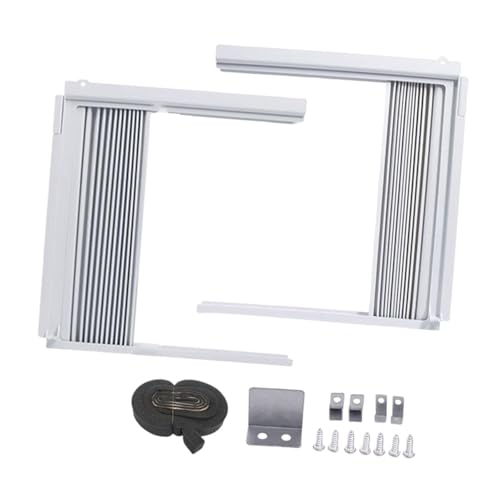
Some buildings prohibit window units entirely, while others require specific brackets or restrict installation to certain exposures. If your window configuration is unusual, review options for rooms that limit traditional mounting, including guidance on cooling a room without a window and systems designed for windows that open sideways.
Electrical Capacity in Older Apartments
Older wiring may not support a new high-capacity system without an upgrade. A professional load assessment is essential. If your building's electrical panel is limited, a system suited to apartment living may be the smarter starting point than a whole-home central system.
Choosing the Right AC System for Your Building
There is no single best system for every Upper West Side residence. The right answer depends on your building type, board rules, room layout, and how much control you want over comfort and efficiency. Below is a practical comparison organized by market tier rather than numerical figures.
Window Air Conditioner
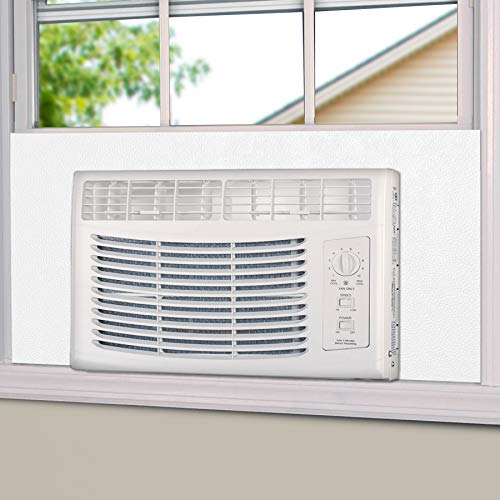
The most straightforward path when building rules allow window units. Simple to install, easy to remove seasonally, and a solid choice for single rooms. Confirm bracket requirements and noise limits with your board before purchasing.
Ductless Mini-Split
Often the best fit for pre-war apartments. No ductwork is needed, each room can be zoned independently, and modern inverter models run quietly. Ideal when window units are restricted or when you want year-round heating and cooling from one system.
Central Air Conditioning
Best suited to larger renovated units or townhouses where ductwork can be integrated during a broader renovation. Delivers whole-home comfort and the cleanest interior aesthetic, but requires the most planning and board coordination.
Portable Air Conditioner
A practical short-term or renter-friendly option when permanent installation is not permitted. Venting through a window or dedicated opening is required, so review portable options without a window vent if your layout is unusual.
Ducted Mini-Split
Concealed air handlers deliver conditioned air through short duct runs, preserving interior design while offering zoned comfort. A strong match for renovated pre-war layouts that want a discreet, high-performance result.
VRF / Multi-Zone Systems
For larger residences, townhouses, or mixed-use buildings, multi-zone systems provide independent control across many rooms with a single outdoor unit. Requires careful load calculation and professional design.
Which System Fits Your Situation?
| Building Situation | Recommended Tier | Best For |
|---|---|---|
| Pre-war co-op, window units allowed | Essential to Balanced | Simple room-by-room cooling |
| Co-op with strict facade rules | Balanced (Ductless Mini-Split) | Discreet, zoned comfort |
| Renovated condo with ceiling access | High-End / Professional-Grade | Whole-home comfort and clean aesthetics |
| Renter with limited permissions | Mid-Range (Portable) | Temporary, flexible cooling |
| Townhouse or multi-floor residence | Commercial-Grade (Multi-Zone) | Independent room control at scale |
For homes with several rooms to cool, a whole-house cooling approach may be more efficient than several standalone units. If you are weighing options, comparing combined heating and cooling systems can also simplify long-term comfort planning.
Permits, Board Approvals, and Compliance
Compliance is the step most residents underestimate. Getting it right upfront protects your investment and avoids removal orders or fines later.
NYC Department of Buildings Permits
Many installations that involve new electrical circuits, exterior equipment, or structural mounting require a permit from the NYC Department of Buildings. A licensed installer should handle the filing. Ask for the permit number and keep a copy for your records.
Co-op and Condo Board Approvals
Boards typically request:
- Detailed scope of work and equipment specifications
- Contractor license, insurance certificate, and references
- Noise ratings and condensate drainage plan
- Exterior mounting diagrams where applicable
- Preferred installation windows to minimize disruption
Landmarks and Facade Review
If your building is within a historic district, exterior changes may need Landmarks Preservation Commission review. Installers experienced on the Upper West Side understand which configurations require this step and can prepare submissions.
How to Vet an Upper West Side AC Installer
The right installer matters as much as the equipment. Use this checklist before committing.
Credentials and Experience
- Valid NYC license and active insurance
- Demonstrated experience with pre-war and landmarked buildings
- Familiarity with co-op and condo board submission processes
- References from nearby buildings you can contact
Technical Competence
- Performs a proper room-by-room load calculation rather than guessing capacity
- Explains line-set routing, drainage, and electrical work clearly
- Offers equipment from reputable manufacturers with strong warranty support
- Provides a written scope covering permits, cleanup, and testing
Questions to Ask
- Will you handle the DOB permit and board submission?
- How do you route condensate drainage without affecting neighbors?
- What is the warranty on labor versus equipment?
- How will you protect floors, walls, and shared hallways during work?
- Can you provide a schedule with realistic milestones?
If you are still comparing providers, broader guidance on selecting qualified air conditioner installers and finding installers near your area can help you build a shortlist. For urgent repair situations that arise after installation, keep a 24/7 repair service contact on hand.
The Installation Process, Step by Step
Most Upper West Side projects follow a predictable sequence. Knowing the stages helps you coordinate with your board and set realistic expectations.
Step 1: Site Assessment
The installer measures rooms, inspects electrical capacity, reviews window and wall conditions, and identifies the best indoor and outdoor equipment locations. This is where outdoor mounting bracket requirements and drainage paths are determined.
Step 2: Design and Documentation
You receive a proposed system design, equipment list, and scope of work. Board submission packets are prepared during this stage.
Step 3: Approvals and Scheduling
Permits are filed, board approvals are secured, and a work window is scheduled. Coordinate elevator use and building access with your management office.
Step 4: Installation Day
Expect floor and hallway protection, careful drilling, line-set routing, electrical connections, and system charging. A single-zone ductless system is often finished in one day; multi-zone and central systems may take longer.
Step 5: Testing and Handover
The installer verifies cooling performance, checks for leaks, confirms drainage, and walks you through operation and maintenance. Request a written handover summary and warranty registration confirmation.
If you are replacing an older system, a repair-versus-replace comparison is worthwhile. Details on repair considerations and pump replacement help you decide whether a new installation is the better long-term investment.
Seasonal Timing and Scheduling Tips
Upper West Side installation demand peaks between late spring and midsummer. To avoid delays:
- Book assessments in early spring before schedules fill
- Submit board paperwork at least four to six weeks ahead
- Schedule installations on weekdays when building staff are available
- Confirm equipment lead times with your installer before finalizing dates
Off-season installation can also mean more flexible scheduling and more attentive project management from your contractor.
Post-Installation Care and Longevity
A well-installed system still needs routine care. Protect your investment with a simple maintenance rhythm:
- Clean or replace filters every one to three months during cooling season
- Schedule a professional tune-up annually before summer
- Keep outdoor units clear of debris and snow
- Monitor condensate drainage, especially in older buildings
- Address unusual noises or reduced cooling early
If performance drops, review common causes such as an AC that is not cooling properly or water leaking from the unit before assuming the system needs replacement.
Frequently Asked Questions
Do I need a permit to install an air conditioner on the Upper West Side?
For most ductless mini-split and central systems that involve new electrical work or exterior modifications, a permit from the NYC Department of Buildings is typically required. Window units generally do not need a permit but must follow building rules. Always confirm with your co-op or condo board and a licensed installer.
What AC type works best in pre-war Upper West Side buildings?
Ductless mini-split systems are often the best fit because they avoid invasive ductwork, preserve historic interiors, and can be zoned room by room. High-efficiency window units remain a practical choice when building rules permit them.
How long does AC installation take on the Upper West Side?
A single-zone ductless mini-split is often completed in one day. Multi-zone systems may take two to three days. Central air retrofits in older buildings can take longer depending on electrical upgrades, wall access, and building approvals.
Can my co-op board reject an AC installation?
Yes. Co-op and condo boards can restrict exterior equipment, require specific mounting methods, mandate sound ratings, or demand licensed and insured contractors. Always submit plans and obtain written approval before signing a contract.
What should I ask an Upper West Side AC installer before hiring?
Ask for their NYC license and insurance, proof of local Upper West Side project experience, permit handling, warranty terms, load calculation method, and a written scope covering electrical work, line-set routing, and cleanup.
Ready to Compare Systems for Your Upper West Side Home?
Explore recommended air conditioners suited to apartment and pre-war installations, then confirm details with a licensed local installer.
View Recommended Systems