
Air Conditioner Not Working Properly? Here's What to Do
When your AC stops cooling, makes strange noises, or refuses to turn on, it can feel like an emergency. This guide walks you through the most common causes, practical troubleshooting steps, and when it's time to call a professional — so you can restore comfort quickly and confidently.
Find Your SymptomQuick reality check: Not every AC problem requires a technician. Many issues — like a clogged filter, a tripped breaker, or a thermostat set incorrectly — can be resolved in minutes. Others, such as refrigerant leaks or compressor failure, demand professional attention. Knowing the difference protects your system and your long-term investment.
Common Symptoms of an AC Not Working Properly
Start by identifying exactly what your air conditioner is doing (or not doing). Each symptom points to a different set of likely causes.
🌡️ AC Runs But Doesn't Cool
The unit is on, the fan blows, but the air is warm or room temperature. This is the most common complaint and often relates to airflow, refrigerant, or the compressor.
💨 No Air Blowing at All
You hear the system hum but nothing comes out of the vents. Blower motor, capacitor, or control board issues are typical culprits.
🔊 Strange Noises
Grinding, squealing, rattling, or banging sounds signal mechanical wear, loose parts, or debris in the system.
💧 Leaking Water
Water pooling around the indoor unit or dripping from the ceiling often indicates a clogged condensate drain or frozen coils.
🔁 Short Cycling
The AC turns on and off repeatedly in short bursts. This stresses the compressor and can stem from thermostat issues, oversizing, or refrigerant problems.
❄️ Frozen Coils or Lines
Ice forming on the indoor coil or refrigerant lines restricts airflow and cooling capacity. Low refrigerant or restricted airflow is usually the cause.
👃 Unpleasant Odors
Musty or burning smells suggest mold growth, electrical problems, or a failing motor — each requiring different attention.
🔌 Won't Turn On
No power, no response. Check the thermostat, breaker, and safety switches before assuming the worst.
Most Common Causes — Ranked by Frequency
Based on field service data, these are the issues technicians encounter most often when an air conditioner is not working properly.
-
Clogged or Dirty Air Filter Restricted airflow is the single most common cause of poor cooling. A dirty filter forces the system to work harder, can freeze the evaporator coil, and reduces efficiency. Check it monthly during peak season and replace or clean as needed.
-
Thermostat Settings or Malfunction It sounds obvious, but a thermostat set to "fan only" or "heat" mode, dead batteries, or a misconfigured schedule can mimic a broken AC. Verify mode, setpoint, and power before deeper troubleshooting.
-
Tripped Circuit Breaker AC units draw significant current. A tripped breaker or blown fuse at the disconnect box will cut power entirely. Reset once — if it trips again, stop and call a professional, as this indicates a serious electrical fault.
-
Low Refrigerant (Refrigerant Leak) Refrigerant is sealed in a closed loop — it doesn't get "used up." Low levels mean a leak. Symptoms include weak cooling, frozen coils, and hissing sounds. This requires EPA-certified technicians to locate and repair the leak, then recharge the system.
-
Failing Capacitor or Contactor These inexpensive electrical components help start the compressor and fan motors. When they fail, the unit may hum but not start, or the outdoor fan may not spin. A common repair that's straightforward for a technician.
-
Dirty Condenser Coils The outdoor coil releases heat. When coated with dirt, leaves, or debris, heat transfer suffers and the system overheats, short-cycles, or shuts down on high-pressure safety. Annual coil cleaning prevents this.
-
Blower Motor or Fan Issues The indoor blower moves conditioned air through ducts. A failing motor, worn belt (in older systems), or bad capacitor stops airflow entirely. Outdoor fan problems affect heat rejection and can cause high-head pressure shutdowns.
-
Clogged Condensate Drain As the AC dehumidifies, water collects in the drain pan and exits via the condensate line. Algae, dust, or debris can clog it, causing water backups and — in many systems — a float switch that shuts the unit down to prevent flooding.
-
Duct Leaks or Blockages Even a perfectly running AC can't cool your home if conditioned air escapes through leaky ducts or is blocked by disconnected or crushed runs. This often shows up as some rooms being comfortable while others stay warm.
-
Compressor Failure The compressor is the heart of the system. If it fails — due to electrical issues, mechanical wear, or prolonged operation under poor conditions — the unit will run but produce no cooling. Compressor replacement is a major repair that warrants a careful repair-versus-replace decision.
Step-by-Step Troubleshooting You Can Do Safely
Before calling a technician, run through these safe, no-tools checks. They resolve a surprising number of "broken AC" calls.
- Verify the Thermostat Confirm the mode is set to COOL (not FAN or HEAT). Set the temperature at least 5°F below room temperature. Replace batteries if the display is blank or erratic. If you have a programmable or smart thermostat, check that no schedule override is active.
- Check the Air Filter Locate the filter — typically at the return grille or inside the air handler. If it's visibly gray or clogged, replace it. A clean filter restores airflow and is the fastest fix for many cooling complaints.
- Inspect the Circuit Breaker Find your electrical panel and look for a tripped breaker labeled for the AC or air handler. If it's in the middle position, switch it fully OFF, then back ON. Also check the outdoor disconnect box for a blown fuse or tripped switch. If the breaker trips again immediately, do not reset — call an electrician or HVAC technician.
- Check the Outdoor Unit Ensure the condenser is running — you should hear the compressor and feel warm air blowing from the top. Clear any leaves, grass clippings, or debris from around the unit. Check that the disconnect switch is ON and the service panel is secure. If the fan isn't spinning but you hear a hum, a capacitor may have failed.
- Look for Ice on the Indoor Coil or Lines If you see ice, turn the system OFF at the thermostat and let it thaw completely (often several hours). Do not run the AC with ice present — it can damage the compressor. Once thawed, check the filter and airflow. If ice returns, you likely have low refrigerant or a duct issue requiring professional diagnosis.
- Check the Condensate Drain Find the drain line (often PVC near the indoor unit). If there's standing water in the pan or the line feels clogged, clear it gently or call for service. Many systems have a float switch that shuts down the unit when water backs up — a common reason for "AC won't turn on" during humid months.
- Listen for Unusual Sounds Grinding, squealing, or banging from the outdoor unit often indicates a failing fan motor bearing or loose mechanical parts. Turn the system off and schedule service — continuing to run it can cause secondary damage.
- Verify Power at the Outdoor Unit Check that the outdoor unit's disconnect switch is not pulled out or in the OFF position. Some units have a separate breaker at the outdoor panel. If power is present but nothing runs, the issue is internal and requires a technician.
When to Stop Troubleshooting and Call a Professional
Certain problems are unsafe or require specialized tools, training, and certifications. Call a licensed HVAC technician if you encounter any of the following:
-
Refrigerant Leaks or Low Charge Handling refrigerant is regulated. Symptoms include frozen coils, hissing sounds, and weak cooling that worsens over time. Only EPA-certified technicians can legally diagnose and repair refrigerant issues.
-
Compressor or Major Electrical Failure If the compressor won't start, the breaker trips repeatedly, or you smell burning from the unit, stop and call a professional. These require specialized diagnostics and parts.
-
Persistent Water Leaks Water damage can be severe. If clearing the drain doesn't resolve the leak, or if water is coming from unexpected places, professional help is needed to prevent structural damage.
-
Repeated Short Cycling After Basic Fixes If the system still short-cycles after filter replacement and thermostat checks, underlying issues like refrigerant charge, oversized equipment, or control board faults need professional evaluation.
-
Any Burning Smell or Sparking This is a fire hazard. Turn off power at the breaker immediately and call for emergency service. Do not attempt to investigate further.
Repair vs. Replace: A Tier-Based Decision Framework
When a major component fails, you'll face a repair-or-replace decision. Use this framework to evaluate based on system age, condition, and repair scope.
| Scenario | System Tier | Recommended Action | Reasoning |
|---|---|---|---|
| Minor repair (capacitor, contactor, filter) | Entry-Level / Mid-Range | Repair | Low complexity, preserves remaining equipment life, straightforward for a technician. |
| Blower motor or fan motor failure | Mid-Range | Repair if under 10 years old | Moderate repair scope. If the system is older, weigh against efficiency gains of a new unit. |
| Refrigerant leak (accessible) | Mid-Range | Repair with leak detection | Locating and sealing the leak plus recharge can restore performance. Ensure the technician performs proper leak testing. |
| Compressor failure | High-End Tier / Premium | Weigh repair vs. replace | Compressor replacement is a major repair. If the system is over 12–15 years old, a new high-efficiency unit often makes more sense long-term. |
| Multiple component failures / aging system | Premium / Flagship | Replace | Cascading failures signal end-of-life. Invest in a new system with modern efficiency and a fresh warranty. |
Preventive Maintenance to Avoid Future Breakdowns
The most reliable way to keep your AC working properly is consistent, simple maintenance. These habits extend equipment life and preserve efficiency.
-
Replace or Clean Filters Monthly During Peak Season This single habit prevents the majority of airflow-related problems, reduces strain on the blower motor, and keeps cooling performance consistent.
-
Schedule Professional Tune-Ups Annually A spring maintenance visit includes coil cleaning, refrigerant charge verification, electrical inspection, and condensate drain clearing — catching small issues before they become failures.
-
Keep the Outdoor Unit Clear Maintain at least two feet of clearance around the condenser. Trim vegetation, remove debris, and gently rinse the coil fins with a garden hose a few times per season.
-
Flush the Condensate Drain Pour a cup of distilled vinegar down the drain line every few months to prevent algae growth and clogs that cause water backups and shutdowns.
-
Inspect Ductwork for Leaks Periodically check accessible duct runs for disconnected joints, tears, or crushed sections. Sealing duct leaks improves efficiency and comfort.
-
Monitor Thermostat Behavior If you notice the system cycling more often than usual or rooms not reaching setpoint, address it early — small issues compound quickly in HVAC systems.
Related Guides on AC Units Guide
- AC Not Cooling: Complete Solutions
- AC Running But Not Cooling the House
- Fan Blowing But No Cold Air
- AC Leaking Water: Causes & Fixes
- AC Is On But No Cold Air
- Compressor Running But Not Cooling
- AC Constantly Running But Not Cooling
- AC Not Blowing Air But Running
- AC Making Loud Noise Inside House
- AC Freezing Outside: What It Means
- Fan Spinning But Not Cooling
- Evaporator Coil: Function & Problems
- Condenser Units: How They Work
- AC Coolant: What You Need to Know
- Programmable Thermostat Guide
Frequently Asked Questions
Ready to Explore Your Options?
Whether you need a replacement unit or want to compare features before making a decision, our curated selection of air conditioners can help you find the right fit for your home and climate.
View Recommended AC UnitsTop-Rated Air Conditioners for a Reliable, Comfortable Home
⚠️ AFFILIATE DISCLOSURE: This website contains affiliate links. As an Amazon Associate, we earn from qualifying purchases. If you make a purchase through these links, we may receive a small commission at no additional cost to you. Read our full affiliate policy.

Midea Duo 14,000 BTU Portable Air Conditioner with Heat, Inverter Quiet | 12,000 BTU SACC High Efficiency Inverter Portable AC, with Heat up to 550 Sq.Ft. Smart/Remote Control, Alexa/Google Assistant
Check price on Amazon
HYUIO Portable Air Conditioner No Window Needed, Wireless Remote Control, 3 Speed Settings, Long Air Outlet for Cooling Room, Bedroom, Office
Check price on Amazon
GarveeLife Portable Air Conditioner,8,000 BTU for Rooms up to 350 Sq.Ft., 4-in-1 Smart Compact AC Unit with Cooling, 24 Hour Timer, Dehumidifier, Fan, Remote Control and Window Kit, White
Check price on Amazon
LG 8,000 Window Air Conditioner, 115V, 350 Sq.Ft. (14' x 25' Room Size), Quiet Operation, Electronic Control with Remote, 3 Cooling & Fan Speeds, Auto Restart, 8000 BTU, White
Check price on Amazon
16,000 B T U Portable Air Conditioners for Large Room up to 750 Sq. Ft., 5-in-1 Smart AC with WiFi App, Remote Control, Fast Cooling, Dehumidifier, Fan, Sleep Mode, 24H Timer & Window Kit
Check price on Amazon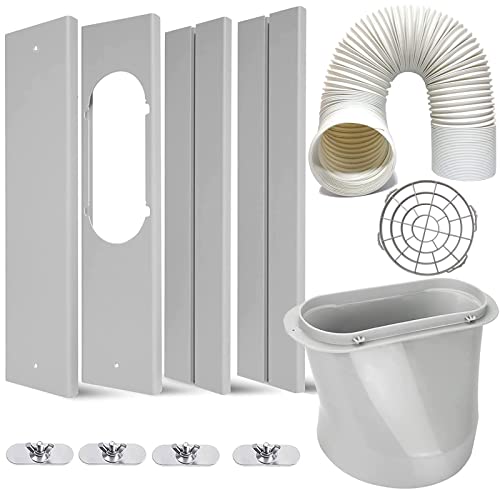
LEZIFU Portable Air Conditioner Kit with Hose, Adjustable Window Seal with 5.9 Inch Diameter 59" Length Hose for Vertical/Horizontal Window
Check price on Amazon