Air Duct Repair: Restore Your Home's Comfort and Efficiency
Discover how to identify duct damage, choose the right repair method, and keep your HVAC system running efficiently
EXPLORE REPAIR METHODSWhy Air Duct Repair Matters: Your ductwork is the circulatory system of your HVAC. Leaky or damaged ducts can waste a significant portion of the air your system produces, forcing your equipment to work harder while your home stays uncomfortable. Understanding duct repair helps you protect your indoor comfort and your system's longevity.
Signs Your Air Ducts Need Repair
How to Spot Duct Problems Early
Air duct damage often develops gradually, making it easy to overlook until performance drops noticeably. Catching these signs early can prevent more extensive repairs and keep your system operating efficiently.
- Uneven cooling: Some rooms stay warm while others feel comfortable, suggesting air is escaping before reaching its destination.
- Higher energy usage: Your system runs longer than usual without delivering the expected comfort level.
- Visible duct damage: Tears, disconnected joints, crushed sections, or loose connections in exposed ductwork.
- Dusty air and increased allergens: Gaps in ducts can draw in dust and debris from unconditioned spaces.
- Whistling or rattling sounds: Unusual noises from vents often indicate pressure imbalances caused by leaks.
- Excessive dust around registers: A sign that particles are entering the system through compromised duct sections.
If your system is running but not delivering adequate cooling, the issue may extend beyond ductwork. Learn more about air conditioner running but not cooling to rule out other common causes.
Common Causes of Duct Damage
Understanding what damages ducts helps you prevent future problems and recognize when repairs are needed:
- Poor initial installation: Improperly sealed joints or inadequate support can cause premature failure.
- Pest activity: Rodents and insects can chew through flexible duct material.
- Moisture and condensation: Persistent dampness degrades duct materials and promotes mold growth.
- Settling and structural movement: Homes shift over time, potentially disconnecting duct sections.
- Physical damage during renovations: Construction work or furniture moving can crush or tear ducts.
- Age-related deterioration: Duct tape and sealants degrade over time, opening previously sealed joints.
Air Duct Repair Methods
Sealing Leaks and Gaps
Duct sealing is often the first line of defense against energy loss. Professional technicians use mastic sealant, foil-backed tape, or aerosol-based sealing to close gaps at joints, seams, and connections. This approach is particularly effective for accessible ductwork and can be combined with broader air duct sealing strategies for comprehensive coverage.
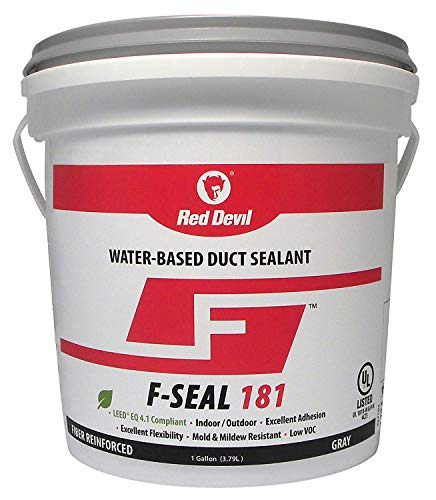
- Mastic sealant: A brush-applied compound that creates a durable, permanent seal at joints and seams.
- Foil-backed tape: A heat-resistant tape designed specifically for HVAC applications, superior to general-purpose duct tape.
- Aerosol sealing: A professional technique that injects sealant particles into the duct system to close small leaks from the inside.
Replacing Damaged Duct Sections
When duct sections are crushed, torn, or severely deteriorated, replacement is often more reliable than patching. Flexible duct sections can be replaced relatively straightforwardly in accessible areas, while rigid metal ductwork may require more specialized labor. For systems where ductwork is fundamentally compromised, exploring air conditioning options for homes without ductwork may offer a long-term alternative.
Duct Cleaning and Restoration
If your ducts have accumulated significant debris or microbial growth, repair should be paired with thorough cleaning. Combining air duct cleaning and air conditioning maintenance ensures both airflow and air quality are restored. After cleaning, technicians can assess duct integrity and perform necessary repairs.
Tip: Schedule duct cleaning before repairs if heavy debris is present, so technicians can properly inspect and access all damaged areas.
Repair Methods at a Glance
| Method | Best For | Durability | Complexity |
|---|---|---|---|
| Mastic Sealing | Accessible joints and seams | High | Moderate |
| Foil-Backed Tape | Quick sealing of accessible leaks | Moderate | Low |
| Aerosol Sealing | Hard-to-reach small leaks | High | Professional |
| Section Replacement | Severely damaged duct segments | High | Professional |
| Full Duct Restoration | Extensive deterioration | Highest | Professional |
When to Hire a Professional
Professional Repair vs. DIY Fixes
While minor sealing tasks around accessible registers can be handled by homeowners, most significant duct repairs require professional expertise. Consider hiring a qualified technician when:
- Ductwork is located in crawlspaces, attics, or wall cavities with limited access
- You suspect mold growth or pest infestation within the duct system
- Multiple sections show damage or the system has chronic airflow issues
- You need aerosol-based sealing or full duct replacement
- Performance problems persist after basic sealing attempts
If you're experiencing broader system issues alongside duct problems, consulting an air conditioning repair specialist can help identify whether ductwork is the primary culprit or if other components require attention.
What to Expect During Professional Repair
A thorough professional assessment typically includes:
- Visual inspection: Checking accessible duct sections for damage, disconnections, and improper sealing.
- Pressure testing: Measuring duct leakage to quantify efficiency losses.
- Repair plan: Recommending specific sealing, replacement, or restoration methods.
- Execution: Performing repairs with appropriate materials and techniques.
- Verification: Re-testing to confirm leakage has been reduced.
Preventive Maintenance for Healthy Ducts
Keeping Your Ductwork in Good Condition
Regular maintenance extends duct lifespan and maintains system efficiency:
- Inspect exposed ductwork annually for signs of damage or deterioration
- Replace air filters regularly to reduce strain on the entire system
- Address moisture issues promptly to prevent duct degradation
- Seal gaps around vents and registers where air can escape
- Schedule periodic air conditioner service and maintenance to keep the entire system, including ductwork, in optimal condition
If your system shows signs of chronic inefficiency despite duct repairs, exploring why an air conditioner runs constantly but doesn't cool may reveal additional issues that need attention.
Ready to Improve Your Home's Airflow?
Explore our recommended products and solutions for maintaining a healthy, efficient HVAC system.
VIEW RECOMMENDATIONSFrequently Asked Questions
How do I know if my air ducts are leaking?
Common indicators include uneven room temperatures, higher energy usage, whistling sounds at vents, and excessive dust accumulation. A professional pressure test can precisely measure leakage.
Can I repair air ducts myself?
Minor sealing around accessible registers is feasible for homeowners. However, most duct repairs—especially those in concealed spaces or involving replacement—should be handled by qualified professionals for safety and effectiveness.
How long does air duct repair take?
Simple sealing jobs may take a few hours, while extensive repairs or section replacements can span a full day or more depending on accessibility and scope.
Will duct repair improve my AC performance?
Yes. Sealing and repairing ducts reduces air loss, allowing your system to deliver conditioned air more effectively. This often results in better cooling, shorter run times, and improved comfort.
How often should ducts be inspected?
An annual inspection is recommended, ideally before the cooling season. Homes with pets, recent renovations, or pest history may benefit from more frequent checks.