Air Filtration System: The Complete Buyer's Guide
Understand how air filtration works, compare HEPA and MERV ratings, and choose the right system to improve indoor air quality for your home and family.
EXPLORE SYSTEMSAirborne particles such as dust, pollen, pet dander, mold spores, and fine smoke are among the most common causes of indoor discomfort and respiratory irritation. A properly selected air filtration system captures these particles before they circulate through your living spaces, helping you breathe easier and reducing strain on your HVAC equipment.
Whether you are dealing with seasonal allergies, a dusty home office, or simply want cleaner air for your family, the right filtration approach depends on your home's layout, your existing HVAC setup, and the level of filtration you need. This guide walks you through every decision point so you can choose with confidence.
Key principle: Filtration efficiency is only half the story. Airflow, filter placement, and regular replacement matter just as much as the filter rating itself. A high-efficiency filter that restricts airflow can actually reduce system performance and air quality over time.
Types of Air Filtration Systems
HVAC Media Filters
Installed directly in the return air duct of your furnace or air handler. These are the most common filtration upgrade for central systems and are available in a wide range of MERV ratings and thicknesses.
- MERV 8 to MERV 16 options
- 1-inch, 2-inch, 4-inch, and 5-inch depths
- Protects blower and evaporator coil
Whole-House HEPA Systems
Bypass or in-line HEPA filtration integrated with your ductwork. True HEPA captures 99.97% of particles at 0.3 microns, delivering hospital-grade filtration across the entire home.
- 99.97% efficiency at 0.3 microns
- Requires professional installation
- Best for allergy and asthma households
Portable Room Purifiers
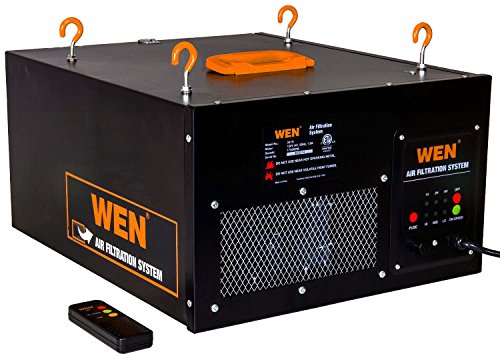
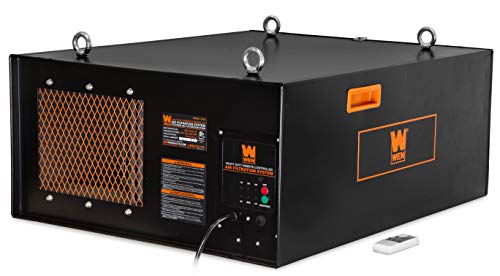
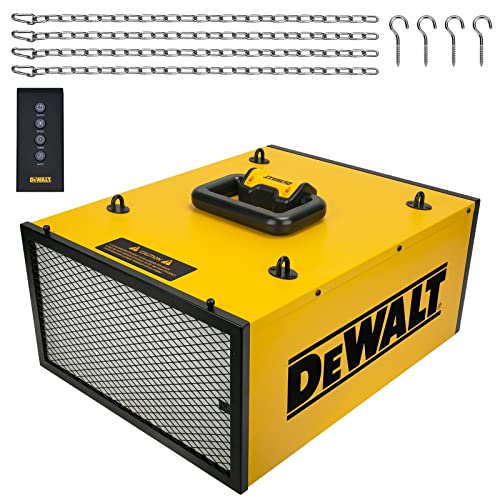
Standalone HEPA units that plug into a wall outlet and filter a single room. Ideal for renters, apartments, bedrooms, and spaces without ductwork.
- No installation required
- True HEPA or HEPA-type media
- Move from room to room as needed
Electrostatic & Ionizing Purifiers
Use electrically charged plates or ion generation to attract and trap particles. Washable or low-maintenance media options are common in this category.
- Washable filter elements
- Low ongoing media consumption
- Some models produce trace ozone — verify certifications
Activated Carbon & VOC Filters
Specialized media designed to adsorb gases, odors, and volatile organic compounds that particle filters cannot capture. Often combined with HEPA in multi-stage systems.
- Targets odors and chemical vapors
- Multi-stage filter stacks
- Popular in new construction and remodels
UV-C & Photocatalytic Systems
Supplemental systems installed inside ductwork or air handlers to neutralize biological contaminants. Typically paired with mechanical filtration rather than used alone.
- Microbial reduction support
- Installed near evaporator coil
- Best combined with MERV or HEPA media
MERV Ratings Explained
The Minimum Efficiency Reporting Value (MERV) scale runs from 1 to 20 and indicates how effectively a filter captures particles between 0.3 and 10 microns. Higher numbers mean finer capture, but also greater airflow resistance.
| Tier | MERV Range | Best For | Typical Capture |
|---|---|---|---|
| Essential Tier | MERV 1–8 | Standard homes, basic dust control | Pollen, dust mites, large dust |
| Balanced Tier | MERV 9–13 | Allergy sufferers, pet owners | Mold spores, pet dander, fine dust |
| High-End Tier | MERV 14–16 | Sensitive individuals, high-particulate homes | Smoke, bacteria, ultrafine particles |
| Professional-Grade | MERV 17–20 (HEPA) | Medical, cleanroom, whole-house HEPA | Viruses, nanoparticles, 99.97% at 0.3 µm |
Note: Residential HVAC blowers are generally rated for filters up to MERV 13. Always confirm with your equipment manual before installing a higher-rated filter, as excessive pressure drop can reduce cooling performance.
How to Choose the Right System
-
Assess your air quality concerns.
Identify the primary particles you want to remove — dust, pollen, pet dander, smoke, or VOCs. This determines whether you need particle filtration, gas-phase media, or both.
-
Check your HVAC system's capability.
Verify the maximum MERV rating and filter depth your air handler supports. Higher-MERV filters demand more airflow capacity. If you are unsure about your system's condition, a professional service and maintenance visit can confirm compatibility.
-
Decide between whole-house and room-level filtration.
Whole-house systems filter all air passing through the HVAC, while portable units address a single space. A combination approach is common for bedrooms and home offices.
-
Match the filter depth to your slot.
Thicker filters (4–5 inches) hold more media and last longer than 1-inch filters, but require a compatible filter cabinet. If your return duct is in need of repair, address that first to prevent unfiltered air bypass.
-
Plan a replacement schedule.
Standard 1-inch filters need replacement every 1–3 months. Media filters last 6–12 months. Households with pets or high dust load may need shorter intervals. A routine tune-up often includes filter inspection.
-
Seal the ductwork and filter housing.
Even a premium filter underperforms if unfiltered air bypasses it. Ensure the filter frame seats tightly and ductwork is sealed at joints.
System Comparison at a Glance
| Tier | Category | Best For | Maintenance Level |
|---|---|---|---|
| Starter Tier | Portable room purifier | Renters, bedrooms, single rooms | Replace media every 6–12 months |
| Essential Tier | 1-inch MERV 8–11 filter | Standard homes, basic dust control | Replace every 1–3 months |
| Balanced Tier | 4–5 inch MERV 11–13 media filter | Allergy households, pet owners | Replace every 6–12 months |
| High-End Tier | Whole-house HEPA bypass system | Sensitive individuals, full-home filtration | Annual media service |
| Professional-Grade | Multi-stage HEPA + carbon | VOC and odor-sensitive homes | Staged media replacement |
Maintenance Tips for Long-Term Performance
A filtration system is only as good as its upkeep. Follow these practices to keep performance consistent:
- Mark filter replacement dates on a calendar and inspect monthly during peak seasons.
- Vacuum the filter housing and return grille to prevent debris buildup.
- Schedule a professional air duct cleaning service every few years if you notice persistent dust or odors.
- Watch for reduced airflow, which signals a clogged filter or an undersized duct path.
- For portable units, clean the pre-filter frequently and replace the HEPA media per the manufacturer's guidance.
- If your HVAC system shows cooling problems, address them promptly — filtration and cooling efficiency are closely linked. See our guide on an air conditioning system not cooling for diagnostic steps.
Frequently Asked Questions
What is the best air filtration system for a home?
The best system depends on your needs. A whole-house HEPA system offers the highest filtration efficiency, while a MERV 11–13 HVAC media filter is a solid balanced option for most homes. Portable HEPA purifiers suit single rooms and renters who cannot modify ductwork.
What MERV rating should I choose?
MERV 8 is a good essential tier for standard homes. MERV 11–13 is recommended for allergy sufferers. MERV 13–16 offers high-end filtration for sensitive individuals, but verify your HVAC system can handle the higher airflow resistance before upgrading.
How often should I replace my air filter?
Standard 1-inch filters should be replaced every 1–3 months. Thicker media filters last 6–12 months. Homes with pets, smokers, or high dust levels require more frequent replacement intervals.
Does a higher MERV filter reduce airflow?
Yes, higher MERV ratings increase airflow resistance. Thicker filters (4–5 inches) mitigate this by providing more surface area. Always confirm your blower can handle the rating before installing a high-MERV filter.
Can an air filtration system help with allergies?
A properly sized MERV 11–13 or HEPA system can meaningfully reduce airborne pollen, pet dander, and mold spores. For best results, combine filtration with source control and humidity management.
Do I need a whole-house system or a portable purifier?
Choose whole-house filtration if you want consistent air quality across all rooms and have compatible ductwork. Choose portable purifiers for targeted room-level filtration, rentals, or spaces without ducts.
Ready to Improve Your Indoor Air Quality?
Browse our curated selection of air filtration systems below. Each option is organized by tier so you can match the right system to your home's needs.
VIEW RECOMMENDED SYSTEMS