Air Duct Cleaning Services in My Area: What You Need to Know
If you are searching for air duct cleaning services in my area, this guide explains how professional duct cleaning works, what warning signs to look for, how providers are evaluated, and how to prepare your home before the technicians arrive.
Why this page exists: Most homeowners search for air duct cleaning services in my area only after noticing dust buildup, musty odors, or allergy symptoms. This page is written for that exact research stage. It gives you a clear, structured, and practical overview so you can compare providers with confidence, understand what a proper cleaning job includes, and avoid common pitfalls before booking an appointment.
What Air Duct Cleaning Actually Involves
Air duct cleaning is the process of removing accumulated dust, debris, pet dander, allergens, and microbial growth from the ductwork that distributes conditioned air throughout a home. A professional service typically uses specialized vacuum equipment, rotary brushes, air whips, and negative-pressure containment to dislodge and extract contaminants from supply ducts, return ducts, registers, grilles, and sometimes the air handler and evaporator coil area.
The goal is not just cosmetic cleanliness. A clean duct system supports better airflow, reduces the load on your air conditioning unit, and helps your air filter for HVAC system perform as intended. Many homeowners combine duct cleaning with an air duct inspection to identify leaks, disconnected sections, or insulation problems that affect efficiency.
Signs You Should Look for Air Duct Cleaning Services
Not every home needs duct cleaning on a fixed schedule. Use the signs below as a practical checklist. If two or more apply to your home, it is reasonable to start researching providers in your area.
- Visible dust or debris blowing out of supply registers when the system starts.
- Persistent musty or stale odors coming from vents, even after replacing filters.
- Noticeable increase in allergy or asthma symptoms when the HVAC system runs.
- Uneven airflow between rooms that cannot be explained by closed dampers or blocked vents.
- Recent renovation, remodeling, or pest activity that may have introduced debris into the ducts.
- Visible mold growth or moisture inside ductwork, registers, or the air handler cabinet.
- Pets in the home and a long interval since the last professional cleaning.
Benefits of Professional Duct Cleaning
Better Indoor Air Quality
Removing accumulated dust and allergens from the duct system reduces the particles that circulate through your living spaces, which is especially helpful for allergy-sensitive households.
Improved Airflow
Clean ducts and clear registers support more consistent airflow, helping your air conditioning system distribute cool air more evenly across rooms.
Efficiency Support
A cleaner duct system reduces the strain on the blower and supports the efficiency of your air conditioning unit over the cooling season.
Odor Reduction
Musty smells often originate from microbial growth or debris inside ducts. Professional cleaning and drying help eliminate the source rather than masking the odor.
System Longevity
Clean ductwork and a well-maintained air handler unit reduce wear on components and support the long-term health of the entire HVAC system.
Inspection Opportunity
Cleaning often reveals duct leaks, disconnected joints, or insulation issues that can be addressed through air duct repair before they worsen.
How a Professional Duct Cleaning Service Works
A reputable provider follows a structured process. While equipment and techniques vary, the sequence below is a reliable benchmark you can use when comparing providers.
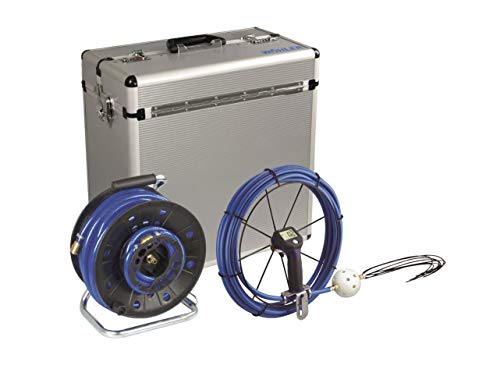
- Inspection and Assessment The technician inspects the duct layout, registers, returns, and air handler area. They may use a camera or air duct inspection tools to document contamination levels and identify damage.
- Containment and Negative Pressure A high-powered vacuum with a HEPA filter is connected to the duct system, creating negative pressure so dislodged debris is captured rather than released into the home.
- Agitation of Contaminants Rotary brushes, air whips, or compressed-air tools are used to loosen dust and debris from duct walls, especially in supply and return branches.
- Cleaning of Registers and Grilles Supply and return registers are removed, cleaned, and reinstalled. The air duct vent cleaning step is often the most visible part of the service for homeowners.
- Air Handler and Coil Area Depending on the scope, the technician may clean the accessible air handler cabinet and inspect the evaporator coil area. Components such as the air handler blower motor replacement are not part of standard cleaning but may be recommended if wear is found.
- Final Verification The technician documents before-and-after conditions, confirms airflow, and may provide photos or a written summary of findings.
Types of Duct Cleaning Providers: A Practical Comparison
The market includes several provider categories. The table below uses neutral tier descriptors instead of numeric pricing, so you can compare positioning and service scope at a glance.
| Provider Tier | Typical Scope | Best For | What to Verify |
|---|---|---|---|
| Entry-level / Starter Tier | Basic vacuuming of accessible ducts, register cleaning, and visual check. | Routine maintenance in homes with light dust and no odor issues. | HEPA vacuum use, negative pressure setup, and written scope of work. |
| Mid-range / Balanced Tier | Full supply and return cleaning, agitation tools, register removal, and photo documentation. | Homes with pets, allergy concerns, or a long interval since last cleaning. | Technician certification, containment procedures, and post-service inspection. |
| Premium / High-end Tier | Deep cleaning with camera inspection, air handler area cleaning, and optional sanitizing. | Homes with visible mold, recent renovation, or persistent odor concerns. | Documented before-and-after evidence and clear explanation of any chemical agents used. |
| Professional-grade / Commercial-grade | Large-scale projects, multiple HVAC zones, and coordination with air duct repair or air duct replacement companies. | Multi-story homes, light commercial spaces, and complex duct layouts. | Insurance, licensing, project timeline, and references for comparable buildings. |
How to Choose Air Duct Cleaning Contractors in My Area
The search phrase “air duct cleaning services in my area” returns many options, and quality varies significantly. Use the following criteria to shortlist providers before you request an inspection.
Verify Experience and Certification
Look for providers with documented experience in residential duct cleaning and relevant industry certifications. Ask whether technicians are trained on the specific equipment they will bring into your home.
Request a Written Scope of Work
A credible provider explains exactly what will be cleaned, which components are included, and what is excluded. This clarity helps you compare proposals fairly across air duct cleaning contractors.
Confirm Equipment and Containment
Ask whether the team uses HEPA filtration and negative-pressure containment. These are baseline requirements for professional work, not optional upgrades.
Check Insurance and Licensing
Request proof of liability insurance and any required local licensing. This protects you if something is damaged during the service.
Review Documentation Practices
Providers that take before-and-after photos and provide a written summary make it easier for you to verify the work and plan future maintenance.
Ask About Related Services
Some companies also offer air duct and dryer vent cleaning and air duct cleaning and air conditioning packages. Bundling can be convenient, but confirm each service is performed properly.
How to Prepare Your Home Before the Service
Clear Access to Vents and Registers
Move furniture, rugs, and decor away from supply and return registers so technicians can work efficiently without obstruction.
Secure Pets and Children
Arrange for pets and young children to stay in a separate area during the service, since equipment noise and temporary access to vents can be disruptive.
Plan for Parking and Equipment Access
Confirm where the service vehicle can park and how hoses will reach the duct access points. This is especially important in apartments and townhomes.
Note Any Concerns in Advance
If you have noticed odors, uneven airflow, or visible mold, mention these points when scheduling so the provider can plan the right equipment and scope.
Maintaining Clean Ducts After the Service
Duct cleaning is most effective when paired with ongoing maintenance. Replace your air filter for HVAC system according to the manufacturer’s interval, keep registers unobstructed, and schedule periodic air duct inspection visits if you live in a dusty environment or have pets. If you notice new signs of leakage or damage, address them through air duct repair rather than waiting for the next cleaning cycle.
For households with an air handler unit or air handler for AC unit, ask the technician to inspect the accessible cabinet area during the visit. Keeping the air handler and ductwork clean together supports more consistent performance across the cooling season.
Frequently Asked Questions
How often should air ducts be cleaned?
What are the signs that air ducts need cleaning?
How long does air duct cleaning take?
Does air duct cleaning improve indoor air quality?
Can duct cleaning damage my HVAC system?
Should I combine duct cleaning with AC maintenance?
Related Guides on AC Units Guide
- Air Duct Cleaning Companies in My Area
- Air Duct Cleaning in My Area
- Air Duct Cleaning Contractors
- Air Duct Cleaning: Is It Necessary?
- Air Duct Inspection
- Air Duct Repair
- Air Duct and Dryer Vent Cleaning
- Air Duct Cleaning and Air Conditioning
- Air Duct Vent Cleaning
- Air Duct Replacement Companies
- Air Conditioning Unit Cleaning
- Air Conditioning Service and Maintenance