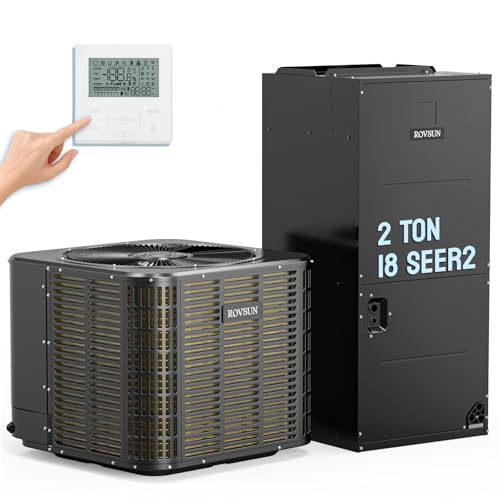
Attic Air Handler Unit: The Complete Homeowner's Guide
Discover how an attic air handler works, whether it is the right setup for your home, and what to consider before installation, maintenance, or replacement.
Quick Overview: An attic air handler unit is a key component of a split HVAC system where the indoor blower and coil assembly is installed in the attic space. This guide explains how attic air handlers function, their pros and cons, sizing considerations, installation requirements, and maintenance best practices — so you can make a well-informed decision for your home comfort system.
What Is an Attic Air Handler Unit?
An air handler is the indoor component of a split air conditioning or heat pump system. It houses the evaporator coil, the blower fan, and often auxiliary components such as electric heat strips or a filter rack. In an attic air handler unit setup, this entire assembly is installed in the attic rather than in a closet, basement, or garage.
When the system runs, the air handler pulls warm return air from your living space through ductwork, passes it over the cold evaporator coil, and then pushes the conditioned air back through the supply ducts. In a heat pump configuration, the same air handler can reverse roles to deliver warmth during cooler months.
The location of the air handler matters more than many homeowners realize. Attic installations are common in warmer climates and in homes built on slab foundations where a basement is unavailable. However, attic placement introduces unique challenges related to temperature extremes, condensate management, and service access.
How an Attic Air Handler Fits Into Your HVAC System
A typical split system consists of two main parts: the outdoor condenser unit and the indoor air handler. The condenser rejects heat to the outside, while the air handler circulates conditioned air inside your home. Understanding how these components work together helps you evaluate whether an attic installation is appropriate.
If you are exploring the broader topic of indoor air movement equipment, our guide to air handlers provides a foundational overview. For homeowners dealing with airflow problems, articles on air not blowing through vents and air blowing but not cold can help you diagnose issues that may originate from the air handler itself.
The air handler is connected to the outdoor unit through refrigerant lines and to your home's ductwork through supply and return plenums. In an attic setup, these connections must be carefully insulated and sealed to prevent energy losses in an unconditioned space.
Attic Air Handler vs. Other Locations
Choosing where to place your air handler affects efficiency, serviceability, and long-term reliability. The table below compares the most common installation locations.
| Location | Best For | Considerations |
|---|---|---|
| Attic | Homes without basements; warmer climates with moderate winters | Extreme heat exposure, condensate management, tighter service access |
| Basement | Colder climates; homes with full basements | Easier service access; potential moisture concerns |
| Closet | Apartments and compact homes | Limited space; noise transmission into living areas |
| Garage | Homes where interior space is limited | Temperature swings; code requirements for separation |
Advantages of an Attic Air Handler
Attic installations offer several practical benefits that make them popular in certain regions and home designs:
- Frees up interior space: No closet or utility room is consumed by mechanical equipment, which is valuable in compact homes.
- Central duct routing: Attics often allow shorter, more direct duct runs to ceilings throughout the home.
- Reduced noise: The blower is farther from living areas, which can lower indoor noise levels compared to closet installations.
- Slab foundation compatibility: In homes without basements or crawl spaces, the attic may be the only viable indoor location.
Challenges and Drawbacks to Consider
Attic environments are not climate-controlled, which introduces specific challenges:
- Heat exposure: Attic temperatures can climb dramatically in summer, forcing the air handler to work harder and reducing overall efficiency.
- Condensate management: Drain pans and lines must be properly insulated and pitched to prevent overflow and water damage to ceilings below.
- Service access: Technicians may face tight spaces, steep ladder access, and limited working room during repairs.
- Duct losses: Ducts routed through unconditioned attic space can lose cooling energy if not well insulated and sealed.
- Equipment lifespan: Extreme temperature cycling can stress components over time compared to conditioned-space installations.
Addressing these challenges during design and installation is essential. Proper insulation, a secondary drain pan with a float switch, and a dedicated service platform can mitigate many risks.
Sizing Your Attic Air Handler Correctly
An air handler must be matched to the cooling capacity of your outdoor condenser and the heating load of your home. An undersized unit will struggle to maintain comfort, while an oversized unit may short-cycle, leading to humidity control problems and uneven temperatures.
Professional load calculations — often based on Manual J methodology — account for square footage, ceiling height, window area, insulation levels, and local climate. You can use our BTU calculator by room size to get a rough estimate, but a qualified HVAC contractor should confirm the final sizing.
Airflow is equally important. The air handler's blower must deliver the correct CFM (cubic feet per minute) for the system tonnage. Undersized return ducts are a common cause of high static pressure, noisy operation, and premature blower motor wear.
Installation Requirements for Attic Air Handlers
Proper installation is critical in an attic environment. Key requirements include:
- Sturdy platform: The unit must sit on a level, reinforced platform that can support its weight and reduce vibration.
- Secondary drain pan: A larger overflow pan with a float switch protects the ceiling below from condensate leaks.
- Insulated condensate line: The primary drain line should be insulated to prevent sweating in the hot attic.
- Access clearance: Manufacturers specify minimum clearances for service; these must be respected.
- Electrical disconnect: A properly rated disconnect must be within sight of the unit.
- Sealed duct connections: All plenum and duct connections should be sealed with mastic or appropriate tape.
- Ventilation: Attic spaces must be adequately ventilated to reduce heat buildup around the equipment.
Building codes and local permits may apply. Before any installation, consult a licensed HVAC contractor and confirm that your attic structure and electrical service can support the new equipment. Our guide on amps and breaker size for AC explains electrical considerations in detail.
Maintenance Tips for Attic Air Handlers
Regular maintenance extends equipment life and maintains efficiency. Because the unit is in a difficult-to-access location, proactive care is especially important:
- Change or clean the filter regularly: A clogged filter strains the blower and reduces airflow. Check monthly during peak season.
- Inspect the condensate drain: Flush the drain line periodically and verify the float switch is functional.
- Check for insulation gaps: Inspect refrigerant lines and duct connections for damaged insulation or leaks.
- Schedule professional service: Annual inspections should include coil cleaning, blower motor checks, and electrical connection tightening.
- Watch for warning signs: Unusual noises, weak airflow, or water stains on ceilings below the attic are signals to call a technician promptly.
For a broader maintenance routine, see our resources on annual central air conditioner maintenance. Keeping up with filter changes is the simplest and most impactful habit — our article on air unit filters explains the different types and their roles.
When to Repair vs. Replace an Attic Air Handler
Air handlers generally last 10 to 15 years, though attic conditions can shorten that range. Consider replacement when:
- Repairs become frequent or involve major components like the blower motor or coil.
- Energy efficiency has declined noticeably despite regular maintenance.
- The outdoor condenser is also aging, making a matched system replacement more sensible.
- Refrigerant type changes or updated efficiency standards make the existing unit incompatible with current parts.
A qualified technician can evaluate the condition of the coil, blower, and cabinet and advise whether repair or replacement makes more sense for your situation.
Efficiency and Comfort Considerations
Attic air handlers can perform well when installed correctly, but efficiency depends on several factors working together:
- Duct insulation and sealing: Leaky or poorly insulated ducts in a hot attic waste significant cooling energy.
- Attic ventilation: Reducing attic heat load lowers the temperature surrounding the equipment.
- Refrigerant charge: Correct charge is essential for efficient heat transfer at the coil.
- Blower settings: Proper airflow settings balance comfort, humidity control, and energy use.
- Equipment tier: Mid-range and premium air handlers often include variable-speed blowers that improve comfort and efficiency compared to entry-level single-speed models.
If your home uses a heat pump rather than a standalone air conditioner, the air handler is a year-round component. Our overview of air source heat pump installation explains how indoor and outdoor units work together in heating and cooling modes.
Is an Attic Air Handler Right for Your Home?
An attic installation is a practical choice for many homes, particularly in regions where basements are uncommon and attic space is accessible. However, it is not universally ideal. Homeowners should weigh the following:
- Climate: In very hot climates, attic heat imposes a penalty on efficiency unless the attic is well ventilated and ducts are heavily insulated.
- Accessibility: Future service and maintenance require safe, reasonable access to the attic.
- Structural support: The attic floor must support the equipment and service personnel.
- Moisture control: Reliable condensate management is non-negotiable to avoid water damage.
Discussing these factors with a licensed HVAC contractor during the design phase is the best way to avoid surprises. If you are also considering how to improve indoor air quality alongside your HVAC upgrade, our guides on air purification systems and air purifiers may be helpful for planning a comprehensive approach.
Frequently Asked Questions
How long does an attic air handler unit last?
With proper maintenance, most air handlers last around 10 to 15 years. Attic installations may experience slightly shorter lifespans if the space overheats frequently or if condensate management is neglected.
Can an air handler be installed in an unconditioned attic?
Yes, it is common, but the installation must account for temperature extremes, condensate drainage, and duct insulation. Local codes may impose additional requirements.
Why is my attic air handler leaking water?
Common causes include a clogged condensate drain, a cracked drain pan, or frozen coils that melt and overflow. A float switch should shut the system off before overflow occurs, but regular inspection is still essential.
How often should the air filter be changed?
For typical 1-inch filters, check monthly and replace every one to three months depending on dust levels and pet presence. Thicker media filters may last longer but should still be inspected regularly.
Does an attic air handler reduce efficiency?
It can if the attic is poorly ventilated or ducts are unsealed and under-insulated. When installed correctly with well-sealed, insulated ducts and adequate attic ventilation, performance can be comparable to other locations.
Can I replace just the air handler without the outdoor unit?
In some cases yes, but the components must be compatible in terms of refrigerant type and capacity. A mismatched system can reduce efficiency and void warranties, so professional guidance is recommended.
Ready to Explore Attic Air Handler Options?
Browse our curated selection of air handling equipment and related HVAC components to find the right fit for your home's system.
View Recommended Products