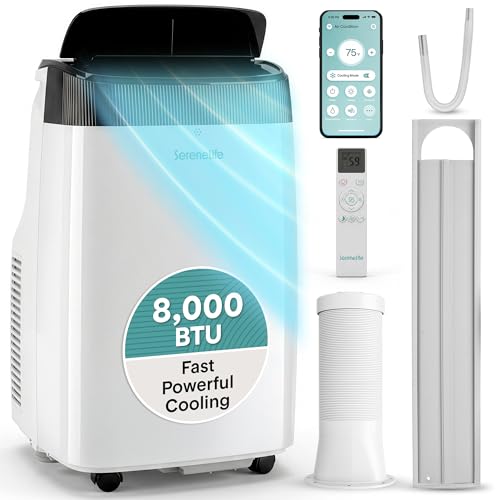
Central AC Unit for a 1500 Sq Ft Home: The Complete Guide
Everything you need to know before choosing a central air conditioner for a 1,500 square foot home — from BTU sizing and SEER ratings to ductwork, installation, and long-term efficiency.
START WITH SIZINGWhy this guide matters: A 1500 sq ft home is one of the most common American house sizes — and one of the easiest to get wrong when choosing a central AC. Too small and your home never feels cool; too large and it short-cycles, fails to remove humidity, and wears out faster. This guide walks you through every decision so you can buy with confidence.
If you are comparing options across different house sizes, you may also want to review our guidance for a central AC unit for a 1000 sq ft house or a central AC unit for an 1800 sq ft house to see how sizing scales.
What Size Central AC Do You Need for 1500 Sq Ft?
The short answer: most 1500 sq ft homes need a central air conditioner rated between 30,000 and 36,000 BTU, which equals 2.5 to 3 tons of cooling capacity. That range covers typical single-story homes in moderate to warm climates with standard insulation and 8-foot ceilings.
But the right answer depends on your specific home. The table below gives a practical starting point:
| Home Condition | Recommended Capacity | Best For |
|---|---|---|
| Well-insulated, shaded, mild climate | 2.0 – 2.5 tons (24,000 – 30,000 BTU) | Northern states, newer construction |
| Standard insulation, average sun exposure | 2.5 – 3.0 tons (30,000 – 36,000 BTU) | Most 1500 sq ft homes |
| Poor insulation, large windows, hot climate | 3.0 – 3.5 tons (36,000 – 42,000 BTU) | Southern states, older homes |
| Open floor plan, vaulted ceilings, skylights | 3.5 tons (42,000 BTU) or a load calculation | Custom layouts with high heat gain |
A simple rule of thumb is roughly 20 BTU per square foot for standard conditions. For 1500 sq ft, that suggests 30,000 BTU. However, professional sizing uses a Manual J load calculation, which accounts for window area, insulation R-value, ceiling height, climate zone, occupancy, and appliance heat gain. If you want a deeper explanation of the process, see our guide on how to size an air conditioner.
Tons vs. BTU: Understanding the Numbers
Air conditioner capacity is expressed in two ways that describe the same thing:
- BTU (British Thermal Units): The raw measure of heat removed per hour.
- Tons: A shorthand from early refrigeration — 1 ton = 12,000 BTU per hour.
So a 2.5-ton unit moves 30,000 BTU of heat per hour, and a 3-ton unit moves 36,000 BTU per hour. When shopping for a central air conditioning unit for 1500 square feet, you will see both labels on spec sheets — they are equivalent.
SEER Ratings: How Efficient Should Your Unit Be?
SEER (Seasonal Energy Efficiency Ratio) measures how efficiently an AC converts electricity into cooling over a season. Higher is better. Since 2023, the U.S. Department of Energy requires a minimum SEER2 rating of 14.3 for split-system central ACs in most regions. Here is how to think about efficiency tiers for a 1500 sq ft home:
SEER2 14.3 – 15.2
Meets federal minimum. A solid choice if you plan to stay in your home for a shorter period or live in a mild climate where cooling hours are limited.
SEER2 16 – 18
The sweet spot for most 1500 sq ft homes. Two-stage compressors and variable-speed blowers improve comfort and humidity control without stepping into the highest efficiency class.
SEER2 19+
Variable-speed inverter compressors deliver the quietest operation and the most precise temperature control. The best fit for hot climates and long-term ownership.
Efficiency upgrades pay back over time through lower electricity use — especially in climates with long cooling seasons. If you want a more detailed breakdown of how ratings work, read our guide on what a SEER rating is and how it compares to EER and HSPF.
What Makes Up a Central AC System?
A central air conditioning system for a 1500 sq ft home has four core parts working together:
- Outdoor condenser unit: Contains the compressor and condenser coil; releases heat to the outside air.
- Indoor evaporator coil: Absorbs heat and humidity from the air moving through your ductwork.
- Air handler or furnace blower: Circulates cooled air through the ducts and into each room.
- Ductwork and registers: Distributes conditioned air evenly across the floor plan.
If your home already has a furnace, you can pair a new outdoor condenser with a compatible indoor coil and blower — a common setup covered in our overview of a central air conditioner with furnace. Homes without existing ductwork may instead consider a ductless mini-split AC.
Single-Story vs. Two-Story 1500 Sq Ft Homes
The total square footage is the same, but the layout changes the cooling strategy:
- Single-story 1500 sq ft: A single 2.5 to 3 ton system with well-designed ductwork usually suffices. Duct runs are shorter and easier to balance.
- Two-story 1500 sq ft: Heat rises, so upper floors often need more cooling. Many homeowners choose zoning with two thermostats, or pair a central system with a ductless unit for the upper floor. See our guide to AC for multi-story homes for more detail.
Installation Considerations for a 1500 Sq Ft Home
Proper installation matters as much as the unit itself. A premium-tier system installed poorly will underperform an entry-level unit installed correctly. Key factors to plan for:
Installation Checklist
- Confirm the electrical panel can support the new unit's amperage — see our electrical panel guide.
- Choose an outdoor condenser location with clearance for airflow and shade from afternoon sun.
- Verify ductwork is sealed and correctly sized — leaks can waste a significant share of cooling.
- Ensure the indoor coil matches the outdoor condenser for rated efficiency.
- Ask the contractor to perform a Manual J load calculation, not just a square-foot guess.
- Confirm permits are pulled and the installer is licensed and insured.
For a step-by-step walkthrough of the full process, our central air conditioning system installation guide is a useful companion. If you are replacing an aging system, read central air conditioner replacement to understand what changes between old and new units.
Maintenance Tips to Protect Your Investment
A central AC for a 1500 sq ft home is a long-term investment. Regular care extends its service life and keeps efficiency high:
- Change the air filter every 1–3 months — a clogged filter strains the blower and reduces airflow. See when to replace your AC filter.
- Clean the outdoor condenser coil annually — dirt and debris reduce heat rejection. Our guide on cleaning condenser coils explains the process.
- Schedule a professional tune-up each spring — technicians check refrigerant charge, electrical connections, and drainage.
- Keep the area around the outdoor unit clear of leaves, fencing, and shrubs that block airflow.
- Seal duct leaks — even small gaps in accessible ducts can waste cooling. See our duct sealing guide.
For a full seasonal routine, our central AC maintenance guide covers what to do in spring and fall.
Common Problems and When to Call a Professional
Even a well-sized system can develop issues. Recognizing the symptoms early saves time and prevents further damage:
- Running but not cooling: Often low refrigerant, a failed capacitor, or a dirty condenser coil. See central AC running but not cooling.
- Blowing warm air: Check the thermostat setting, filter, and outdoor unit first. Read central AC not blowing cold air in house.
- Water leaks indoors: Usually a clogged condensate drain line. See central AC leaking water inside house.
- Not enough airflow: A failing blower motor or blocked ducts. Read central AC not blowing any air inside the house.
If you are unsure whether a repair is worth doing on an older system, our comparison of replace vs. repair can help you decide. And if you need to find a qualified technician, see central air installers in my area.
Buying Tips: What to Prioritize
When you are ready to choose a central AC for your 1500 sq ft home, keep these priorities in mind:
- Start with a load calculation. Do not accept a square-foot-only estimate from a contractor.
- Match the tier to your climate. Hot climates justify a higher-efficiency, balanced-tier or premium-tier unit.
- Ask about the compressor type. Single-stage compressors are entry-level; two-stage and variable-speed units are smoother and quieter.
- Compare warranty coverage. A solid warranty reflects the manufacturer's confidence — see our AC warranty explained guide.
- Verify the contractor's license and insurance before signing — see HVAC license and insurance.
Quick Comparison: Central AC Options by Tier
| Tier | Typical SEER2 Range | Best For |
|---|---|---|
| Entry-level | 14.3 – 15.2 | Mild climates, shorter ownership, basic cooling needs |
| Mid-range | 16 – 18 | Most 1500 sq ft homes, balanced comfort and efficiency |
| Premium | 19 – 21 | Hot climates, long-term ownership, quiet operation |
| Top-tier | 22+ | Maximum efficiency, variable-speed inverter technology, smart controls |
For homeowners in exceptionally hot regions, a high-end tier system with a variable-speed compressor often delivers the best comfort over the life of the unit. If you want to compare further, our guide on the most energy-efficient AC covers the top efficiency class in more detail.
Frequently Asked Questions
What size central AC unit do I need for a 1500 sq ft home?
A 1500 sq ft home typically needs a central AC unit rated between 30,000 and 36,000 BTU (2.5 to 3 tons), depending on climate, insulation, ceiling height, and window exposure.
How many tons is a central AC for 1500 square feet?
A 1500 sq ft home generally requires a 2.5 to 3 ton central air conditioner. A 2.5 ton unit equals 30,000 BTU, while a 3 ton unit equals 36,000 BTU.
What SEER rating should I look for in a central AC for 1500 sq ft?
For a 1500 sq ft home, aim for a SEER2 rating of at least 14.3 to meet current minimum standards. Mid-tier and high-end tier models with SEER2 ratings above 16 deliver better long-term efficiency.
Can a central AC unit be too big for a 1500 sq ft home?
Yes. An oversized central AC unit cools too quickly without removing enough humidity, causing a clammy feel, frequent cycling, and added wear on components. Proper sizing is essential.
How long does a central AC unit for a 1500 sq ft home last?
A well-maintained central AC unit typically lasts 15 to 20 years. Regular filter changes, annual professional service, and correct sizing help maximize its lifespan.
Ready to Choose the Right Central AC for Your 1500 Sq Ft Home?
Browse our curated selection of central air conditioners suited to 1,500 square foot homes — from entry-level to premium tier.
VIEW RECOMMENDED UNITS