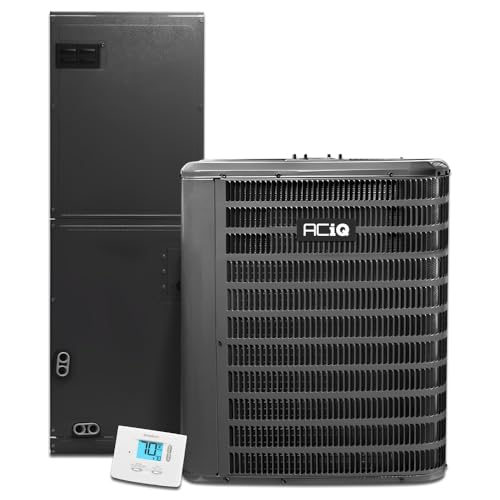
Central Air Conditioner Compressor Replacement: What to Expect
Understand the warning signs of compressor failure, how replacement works, and which equipment tier makes sense for your system before you commit to a service call.
Last updated: November 10, 2026 · Reading time: about 9 minutes
If your central air conditioner is running but the house never gets cool, the compressor is one of the first components a technician will inspect. It is the heart of the outdoor unit and the part that moves refrigerant between the indoor and outdoor coils. When it fails, the system may still blow air, but that air will not be conditioned.
This page walks you through the practical side of a compressor replacement: how to recognize the symptoms, how to decide between a targeted replacement and a full system upgrade, which equipment tier to target, and what a typical service visit involves. The goal is to help you walk into the conversation with your HVAC contractor already informed, so the recommendation you receive is easier to evaluate.
Quick orientation: A compressor replacement is a major repair, not a routine maintenance task. Because it involves refrigerant recovery, electrical verification, and vacuum procedures, it is a job for a licensed HVAC technician rather than a weekend DIY project.
What the Compressor Does in a Central AC System
In a standard central air conditioning system, the compressor sits inside the outdoor condenser unit. Its job is to raise the pressure and temperature of the refrigerant gas so that heat can be released to the outside air. The refrigerant then travels back indoors, expands, and absorbs heat from your home before returning to the compressor to repeat the cycle.
Because the compressor runs under high pressure and draws significant electrical current, it is the most heavily stressed mechanical part in the system. That is why compressor issues are one of the most common reasons homeowners search for central air conditioning repair during cooling season.
Understanding this role matters because it explains the symptoms. When the compressor stops doing its job, the indoor blower can keep running and the thermostat can keep calling for cooling, but the air coming out of the vents will be near room temperature. That pattern is the single most common description homeowners give before a compressor diagnosis.
Signs Your Compressor May Need Replacement
Not every cooling problem is a compressor problem, and not every compressor problem requires replacement. The symptoms below are the ones that most often lead a technician to test the compressor directly.
Warm air from the vents while the outdoor unit runs. The fan may spin normally, but the air is not cold. This is the classic pattern described in guides about a central air conditioner running but not cooling.
Outdoor unit humming but not starting. A loud hum with no fan movement or no compressor engagement can point to a seized compressor or a failed start component.
Repeated breaker trips. A compressor drawing excessive current can trip the dedicated breaker shortly after startup.
Clicking or grinding noises. Metallic sounds from the outdoor unit are a reason to shut the system off and call a technician.
System short-cycling. Frequent on-off cycles can indicate the compressor is overheating and cutting out on internal protection.
Frozen indoor coil combined with poor cooling. While a frozen coil has several causes, persistent freezing alongside weak cooling is worth a professional inspection. See not cooling enough for related troubleshooting context.
Safety note: Do not open the electrical panel of the outdoor unit or attempt to test the compressor yourself. Capacitors hold a charge after power is removed, and refrigerant handling is regulated. Leave diagnosis and repair to a licensed technician.
Repair vs. Replace: Making the Right Call
When a technician confirms the compressor has failed, the next decision is whether to replace the compressor alone or move to a larger replacement. Several factors should shape that decision.
Factors that favor a compressor-only replacement
The rest of the system is in good condition and has been maintained regularly.
The outdoor unit is relatively recent within its expected service life.
The compressor is still covered under a manufacturer warranty.
The refrigerant type is current and still readily available.
Factors that favor a broader replacement
The system is near or past the end of its expected service life.
The unit uses a refrigerant that has been phased out or is being phased down.
There are signs of additional failures, such as a leaking evaporator coil or a failing blower motor.
The efficiency rating is well below current standards, making a long-term investment in a modern system more sensible.
When the decision points toward a full outdoor unit swap, the guide on central air conditioner replacement covers what changes during that process. If the failure has broader symptoms, such as a unit that runs but delivers no airflow at all, the article on running but not blowing air helps separate blower problems from compressor problems.
Compressor Tier Guide
Compressors are not all built the same way. The tier you choose should match the rest of the system, your climate, and how long you intend to stay in the home. The table below uses universal quality tiers rather than figures, so it stays useful regardless of when you read it.
Tier
Best For
What to Expect
Entry-level
Older systems on a like-for-like repair
Standard single-speed compressor with solid build quality; matches a basic system without over-specifying.
Mid-range
Most maintained residential systems
Smoother operation and better internal protection than entry-level; a balanced choice for long-term ownership.
Premium
Systems paired with variable-speed or two-stage equipment
More refined internals, quieter operation, and stronger durability for homes that run cooling heavily.
Top-tier
High-efficiency or premium matched systems
Flagship-grade components designed to pair with advanced controls; the right fit only when the rest of the system supports it.
Rule of thumb: Match the compressor tier to the system it serves. Installing a premium compressor in an otherwise entry-level system rarely delivers the expected benefit, while installing an entry-level compressor in a premium system can hold the whole system back.
The Replacement Process, Step by Step
Understanding the sequence helps you ask better questions and recognize when a technician is following proper procedure. A typical replacement follows these stages.
Diagnosis and confirmation
The technician tests electrical components, measures winding resistance, and verifies that the compressor itself has failed rather than a start capacitor or contactor.
Refrigerant recovery
Refrigerant is recovered into approved cylinders. This step is regulated and must be performed by a certified technician.
Electrical disconnect and removal
Power is locked out, wiring is labeled, and the failed compressor is unbolted and removed from the outdoor unit.
New compressor installation
The replacement is set on new mounting hardware, and electrical connections are remade to specification.
Leak check and evacuation
The system is pressure-tested and then evacuated with a vacuum pump to remove moisture and non-condensable gases before charging.
Recharge and performance verification
Refrigerant is weighed in or charged to superheat and subcooling targets, then the system is run and temperatures are verified at the vents.
Documentation
Warranty paperwork, refrigerant records, and service notes are completed so future maintenance and claims are easier.
If the system uses a phased-out refrigerant, the technician may recommend a compatible replacement or a broader retrofit. The broader context of system-level options is covered in central air conditioning system and central air conditioning overviews, which are useful reading before committing to a major repair.
Warranty and Documentation
Many manufacturers provide a compressor-specific warranty of several years, and some extend coverage further for registered systems. Coverage usually depends on three things: professional installation, timely product registration, and documented maintenance.
Ask the technician to confirm whether the replacement compressor carries a manufacturer warranty and what the terms require.
Keep the service invoice, refrigerant record, and registration confirmation together in one folder.
Schedule routine maintenance so future claims are not denied for lack of records. A central air conditioning system maintenance plan is the simplest way to keep that history intact.
Labor coverage is often separate from parts coverage. If labor coverage matters to you, ask about it explicitly before the work begins.
How to Prepare Before the Service Visit
A little preparation shortens the visit and reduces the chance of a return trip.
Clear access to the outdoor unit, including the service panel side.
Note the model and serial number of both the indoor and outdoor units.
Write down the symptoms and when they started, including any recent storms or power outages.
Have your maintenance records available if you have them.
Confirm whether the technician will handle refrigerant recovery on site and whether that is included in the quoted scope.
How long does a central AC compressor replacement take?
A typical replacement is a full-day job for a two-person crew. The exact time depends on system accessibility, refrigerant recovery, line-set condition, and whether the compressor is under warranty.
Can I replace just the compressor instead of the whole AC unit?
Yes, in many cases a compressor can be replaced on its own. However, if the system is older, uses phased-out refrigerant, or has other failing components, replacing the outdoor unit or the full system may be the more sensible long-term path. The comparison in central air conditioner replacement is helpful here.
What are the signs that a compressor is failing?
Common signs include the outdoor unit humming but not starting, warm air from the vents, tripped breakers, unusual clicking or grinding noises, and the compressor running hot or shutting off repeatedly.
Is a replacement compressor covered by warranty?
Many manufacturers offer a compressor warranty of several years, but coverage usually requires professional installation, proper registration, and documented maintenance. Labor is often not covered unless you hold a separate labor warranty.
What if the system cools weakly instead of failing completely?
Weak cooling is not always a compressor problem. Refrigerant level, airflow, and coil condition all matter. The guides on not cooling to set temperature and not cooling enough cover the diagnostic path before assuming the compressor is at fault.
Ready to Compare Replacement Options?
Once you understand the diagnosis and the tier that fits your system, the next step is comparing available equipment. Browse current options and check availability before scheduling the install.
Recommended Central AC Compressors & Replacement Units
⚠️ AFFILIATE DISCLOSURE: This website contains affiliate links. As an Amazon Associate, we earn from qualifying purchases. If you make a purchase through these links, we may receive a small commission at no additional cost to you.
Read our full affiliate policy.
Goodman GLXS3BN1810 1.5 Ton North-Region 13.4 SEER2 Class R-32 Air Conditioner Condenser – Individual Outdoor Unit – Replaces GSXN3N1810
⚠️ Note: The purchase links above are affiliate links. As an Amazon Associate, we earn from qualifying purchases at no additional cost to you.
ACiQ 2.5 Ton 14.3 SEER2 Central Air Conditioner Unit - R32 AC Condenser | 230V Single Stage, Energy Efficient Air Conditioning, Outdoor Central HVAC Unit for Ducted AC Split Systems
⚠️ Note: The purchase links above are affiliate links. As an Amazon Associate, we earn from qualifying purchases at no additional cost to you.
3 Ton 15 SEER2 Central Air Conditioner Heat Pump System, 5kW & Thermo | ACiQ R32 Complete Electric Heat Pump Split System, Central AC Heating HVAC Unit with Multi-Positional Air Handler, ECM Blower
⚠️ Note: The purchase links above are affiliate links. As an Amazon Associate, we earn from qualifying purchases at no additional cost to you.
2.5 Ton 14.5 SEER2 Central Air Conditioner Heat Pump System, 10kW & Thermo | ACiQ R32 Complete Electric Heat Pump Split System, Central AC Heating HVAC Unit with Multi-Positional Air Handler, ECM Blower
⚠️ Note: The purchase links above are affiliate links. As an Amazon Associate, we earn from qualifying purchases at no additional cost to you.
2.5 Ton 14.5 SEER2 Central Air Conditioner Heat Pump System, 5kW & Thermo | ACiQ R32 Complete Electric Heat Pump Split System, Central AC Heating HVAC Unit with Multi-Positional Air Handler, ECM Blower
⚠️ Note: The purchase links above are affiliate links. As an Amazon Associate, we earn from qualifying purchases at no additional cost to you.
Disclaimer
Some of the content on this site uses AI assistance. Information is provided for educational purposes only. We are not responsible for any losses resulting from the use of this information. By using this site, you waive any right to bring legal claims against us arising from your use of the information provided. If you do not agree, please do not use this site.
Read the full disclaimer.
We uses cookies to provide you with a better browsing experience. By continuing to use our site, you consent to our cookie settings.
Learn more