
Air Conditioner Leaking Water Through Ceiling
Discover why your AC is dripping through the ceiling, how to stop the leak fast, and the steps to prevent permanent water damage to your home
FIND THE FIXQuick Answer: Water coming through the ceiling from your air conditioner is almost always caused by a clogged condensate drain line, an overflowing drain pan, or a frozen evaporator coil. Turn off the AC immediately, contain the water, and address the drain system before using the unit again. Ignoring the issue can lead to drywall collapse, mold, and electrical hazards.
Finding water stains spreading across your ceiling is one of the most alarming experiences a homeowner can face. When that water is traced back to your air conditioning system, the urgency increases because the AC is often running continuously during the hottest months. An air conditioner leaking water through ceiling is not a problem you can postpone — every hour of delay allows moisture to travel deeper into drywall, insulation, and framing.
This guide explains the full picture: what causes ceiling leaks from an AC, how to identify the source, the immediate steps to stop the damage, and the long-term repairs that prevent it from happening again. Whether you have a central system with an air handler in the attic or a ductless setup with concealed piping, the principles below apply.
If you are dealing with water elsewhere in the system, our guide to an air conditioner leaking water solution covers related leaks, and our broader air conditioner leak repair resource explains when to fix it yourself versus calling a technician.
Why Water From Your AC Reaches the Ceiling
Your air conditioner removes heat and humidity from indoor air. That humidity becomes liquid condensate, which collects in a drain pan and flows out through a drain line. In most homes, the air handler and evaporator coil sit in the attic, a closet, or a mechanical room above living spaces. When any part of the condensate path fails, water follows gravity — straight down through the ceiling.
Understanding the route water takes helps you locate the source. Condensate forms on the air conditioner evaporator coil, drips into the drain pan, and exits through a primary drain line. A secondary drain pan and line act as a backup. If the primary line clogs, the secondary pan catches the overflow — but only if it is intact and properly sloped. When both fail, water escapes into the ceiling structure.
Common Causes of AC Water Leaking Through the Ceiling
The causes below are listed from most common to least common. In practice, several may combine — for example, a clogged drain line that backs up because the drain pan is also cracked.
1. Clogged Condensate Drain Line
Dust, algae, and biofilm build up inside the drain line over time. When the line narrows or blocks completely, condensate backs up into the drain pan. Once the pan fills, water overflows and finds its way through the ceiling. This is the single most frequent cause of ceiling leaks from an AC. Regular flushing of the drain line is the best prevention.
2. Cracked or Rusted Drain Pan
Drain pans are often made of plastic or galvanized metal. Over years of standing water, metal pans rust through and plastic pans develop hairline cracks. A leaking pan releases water directly into the ceiling cavity. If your system is older, inspect the pan for corrosion and consider a drain pan replacement.
3. Frozen Evaporator Coil
When airflow is restricted or refrigerant is low, the evaporator coil drops below freezing and ice forms. As the ice melts, it can overwhelm the drain pan and drip outside the normal path. A frozen coil is often linked to dirty filters, blocked ducts, or a refrigerant issue. Learn more about why an air conditioner freezes and how to address it.
4. Improper Slope or Installation
The drain pan and drain line must slope correctly toward the drain outlet. If the system was installed level or with a reverse slope, water pools in the pan and overflows even without a clog. Poor installation is a common hidden cause in newer homes or recent replacements.
5. Failed Condensate Pump
Some systems use a condensate pump to move water to a distant drain. If the pump fails or the float switch sticks, water accumulates and overflows. A pump that runs constantly or makes unusual noise is a warning sign. See our guide to air conditioner pump replacement for more detail.
6. Disconnected or Loose Drain Line
Vibration over time can loosen the drain line connection at the pan or at a union fitting. A disconnected line dumps water directly into the ceiling cavity. This is often discovered only after a ceiling stain appears.
7. Dirty Air Filter or Restricted Ductwork
A severely clogged filter reduces airflow across the coil, causing freezing and excess condensate. Restricted ductwork has the same effect. Replacing the filter regularly and having ducts inspected prevents this chain reaction. Our guide to air conditioner duct cleaning service explains when professional duct cleaning is warranted.
8. Blocked or Missing Secondary Drain Line
The secondary drain line is a safety backup. If it is clogged, disconnected, or was never installed, the first overflow goes straight into the ceiling. Many building codes require a secondary drain or a float switch — verify yours is present and functional.
Immediate Steps to Stop the Leak and Limit Damage
Act in this order. Each step reduces the risk of further damage and helps you diagnose the cause.
- Turn off the AC at the thermostat. Stopping the system halts condensate production. Do not restart it until the source is found.
- Protect the ceiling and floor. Place buckets, towels, or a plastic sheet under the drip. If the ceiling is bulging, puncture a small hole at the lowest point of the bulge with a nail to release trapped water in a controlled way — this prevents a larger collapse.
- Switch off power at the breaker if water is near electrical parts. Safety comes before diagnosis.
- Locate the air handler and drain pan. Access the attic, closet, or mechanical room. Look for standing water in the pan and check whether the drain line is clogged or disconnected.
- Clear a visible clog if you can do so safely. A wet/dry vacuum on the drain line's exterior end can remove blockages. A plumber's snake or a gentle flush may also help. Avoid harsh chemicals that can damage the line.
- Check the air filter. A heavily soiled filter is a common trigger for freezing and overflow. Replace it if it is visibly dirty.
- Call a professional for anything beyond a simple clog. Cracked pans, frozen coils that will not thaw, refrigerant issues, and electrical concerns require a qualified technician. Find help through our air conditioner repair 24/7 resource or our guide to air conditioner installers in my area if the system needs reinstallation.
Not sure whether your leak needs a technician or a simple DIY fix? Explore our troubleshooting resources.
Explore AC TroubleshootingDiagnosing the Source: A Quick Reference
Use this table to match symptoms to likely causes before you call a technician. It helps you describe the problem accurately and avoid unnecessary service visits.
| Symptom | Likely Cause | Best For |
|---|---|---|
| Water overflow only during cooling cycles | Clogged primary drain line | DIY clearing or technician flush |
| Water pooling in pan with visible cracks | Cracked or rusted drain pan | Drain pan replacement |
| Ice visible on coil or refrigerant lines | Frozen evaporator coil | Airflow fix and refrigerant check |
| Leak starts immediately after installation | Improper slope or installation | Installer correction |
| Pump runs continuously or hums | Failed condensate pump | Pump repair or replacement |
| Water escapes at fitting near pan | Disconnected drain line | Reconnection and clamp tightening |
| Ceiling stain reappears after each cooling season | Recurring clog or hidden secondary line issue | Professional inspection of full drain system |
How to Prevent Future Ceiling Leaks
Prevention is straightforward and far less disruptive than repairing a collapsed ceiling. Build these habits into your seasonal maintenance routine.
- Flush the drain line every few months. A mixture of water and white vinegar poured into the drain line access point helps keep algae and biofilm from building up.
- Replace the air filter on schedule. Follow the manufacturer's interval, and check it monthly during peak season. A clean filter keeps airflow strong and the coil from freezing.
- Inspect the drain pan annually. Look for rust, cracks, and standing water. Replace a deteriorated pan before it fails. Our drain pan replacement guide walks through the process.
- Verify the secondary drain line and float switch. These backups should be functional, not decorative. A float switch that trips the system off when water rises is a valuable safeguard.
- Schedule professional maintenance before each cooling season. A technician can clear hidden clogs, check refrigerant levels, and confirm that the system is properly installed and sloped.
- Watch for warning signs. Gurgling sounds, musty odors near the air handler, and small ceiling stains are early indicators. Address them before they become a full leak. Our overview of an air conditioner HVAC system explains how the components work together.
When to Call a Professional Immediately
Some situations are not DIY territory. Call a licensed HVAC technician if any of the following apply:
- Water is actively flowing through the ceiling and cannot be stopped by turning off the AC.
- The ceiling is sagging, bulging, or has already collapsed.
- There is visible mold or a persistent musty odor in the attic or ceiling cavity.
- The evaporator coil is frozen solid and does not thaw after the system has been off for several hours.
- You suspect a refrigerant leak, which requires EPA-certified handling.
- The drain pan is cracked, rusted through, or improperly sized.
- The system was recently installed and the leak began soon after.
If the leak has already caused ceiling damage, address the HVAC repair first, then the cosmetic repair. Repairing drywall without fixing the source guarantees a repeat problem. For related issues, see our guides to an air conditioner leaking water inside wall and an air conditioner leaking water in basement.
Frequently Asked Questions
Why is my air conditioner leaking water through the ceiling?
The most common cause is a clogged condensate drain line. Other causes include a cracked or rusted drain pan, frozen evaporator coils, poor installation with improper slope, a broken condensate pump, or a disconnected drain line. Any of these can cause water to overflow and seep through the ceiling below the air handler.
How do I stop my AC from leaking water through the ceiling immediately?
Turn off the AC at the thermostat immediately to stop condensate production. Then place a bucket or towels under the leak to protect the ceiling and floor. If you can safely access the air handler, check the drain pan and drain line for clogs. Do not use the system again until the source is identified and repaired.
Can a clogged AC drain line cause ceiling damage?
Yes. A clogged drain line causes water to back up in the drain pan. Once the pan overflows, water can saturate the secondary drain pan, insulation, and ceiling drywall. Over time this causes stains, sagging, mold growth, and structural damage. Quick action is important to prevent permanent ceiling damage.
Should I call a professional if my AC is leaking water through the ceiling?
You should call a professional if the leak is heavy, recurring, comes from inside the ceiling structure, involves a frozen coil that will not thaw, or if you cannot safely access the air handler. Professionals can diagnose hidden issues like cracked drain pans, improper installation slope, or refrigerant problems that cause freezing.
Can I run my AC while it is leaking water?
No. Running the system while it leaks adds more water to the ceiling cavity and increases the risk of electrical shock, mold growth, and structural damage. Turn off the AC at the thermostat and, if water is near electrical components, at the breaker. Restart only after the leak is repaired.
How often should the condensate drain line be cleaned?
Flush the drain line every three to six months, or more often in humid climates. A simple vinegar-and-water flush through the access port helps prevent algae buildup. If you notice gurgling sounds or slow drainage, clean it sooner. Annual professional maintenance is also recommended.
Recommended Air Conditioners With Reliable Drain Systems
⚠️ AFFILIATE DISCLOSURE: This website contains affiliate links. As an Amazon Associate, we earn from qualifying purchases. If you make a purchase through these links, we may receive a small commission at no additional cost to you. Read our full affiliate policy.

MKPARTY Ceiling Cassette Air Conditioner Cleaning Water Catch Bag, 120x120cm Waterproof AC Washing Cover, Universal Ductless Ceiling Mount AC Service Drainage Bag for HVAC Maintenance
Check price on Amazon
Air Conditioner Cleaning Cover for Ceiling Cassette Units, 47" x 47" Waterproof Reusable AC Cleaning Bag with Drain Hose, Thick Oxford Cloth Wall Protection Cover for Central HVAC Maintenance
Check price on Amazon
Air Conditioner Cleaning Cover for Ceiling Cassette Units with Drain Hose
Check price on Amazon
OLMO 8,000 BTU 115V Through-the-Wall AC, Cooling Only, with Wall Sleeve | Air Conditioner, Built-In Smart Kit, R-32 Eco-Friendly Refrigerant, Remote Included, 0.67 Ton
Check price on Amazon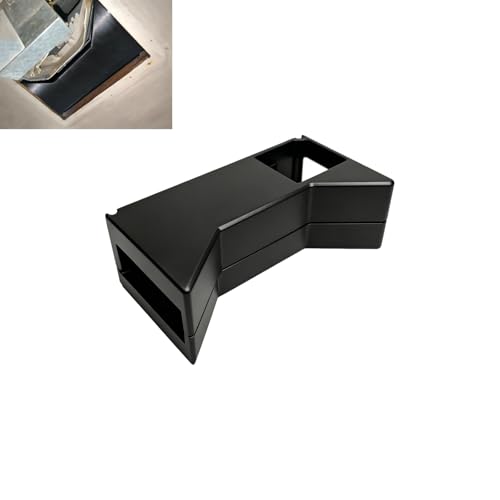
OQHGA AC Duct and Sound Suppressor Compatible with Dometic Duo | RV AC Silencer for Airflow Improvement, Air Conditioner Duct Replacement for RV Ceiling Vent, Noise Reduction, Black, 1-Pack
Check price on Amazon
Moonshan Mini Condensate Pump for HVAC 100-240V Automatic Condensation Drain Removal Silent Condensate Pump with 16 FT Tube Wall Mounted for Air Conditioner, Furnace, Dehumidifier, Ice Maker
Check price on Amazon