
Cleaning Out Furnace Ducts: A Complete Homeowner's Guide
Discover why duct cleaning matters, how to recognize when your furnace ducts need attention, and the exact steps professionals follow to restore healthy indoor air in your home.
Start the GuideEditorial Note: This guide is written for homeowners who are researching furnace duct cleaning before deciding whether to hire a professional or attempt light maintenance themselves. We explain the process, the tools involved, and the realistic benefits so you can make a confident, informed decision.
Why Cleaning Out Furnace Ducts Matters
Your furnace ducts are the circulatory system of your home's heating and cooling network. Every time the blower runs, air travels through a maze of sheet metal or flex ductwork before reaching your living spaces. Over months and years, that network accumulates dust, pet dander, construction debris, pollen, and sometimes mold spores. When you switch the system on, some of that material becomes airborne again.
Cleaning out furnace ducts is not only about aesthetics. It is about protecting the efficiency of your HVAC equipment and the quality of the air your family breathes. A restricted or contaminated duct system forces the blower to work harder, can shorten the lifespan of components, and may contribute to allergy and asthma symptoms for sensitive occupants.
Understanding the relationship between duct condition and overall HVAC performance is the first step. For a broader perspective on how ductwork fits into the full system, you may find our central air conditioning system overview helpful. Likewise, if your furnace shares ductwork with an air conditioner, our guide to a central air with furnace setup explains how the two systems interact.
Many homeowners begin researching duct cleaning because they notice symptoms rather than because they set out to schedule maintenance. The most common trigger is a persistent musty smell or visible dust around supply registers. Others are dealing with a recent renovation, a new pet, or a diagnosis of asthma in the family. Whatever brought you here, the goal is the same: a cleaner, healthier, and more efficient home environment.
Signs Your Furnace Ducts Need Cleaning
Duct cleaning is not an emergency service in most cases, but certain signals suggest it is time to act. Below are the indicators professionals look for during an inspection.
Visible Dust at Vents
Dust streaming from supply registers when the blower starts is a strong sign that debris has accumulated inside the duct runs.
Musty or Stale Odors
Persistent odors when the furnace runs often point to moisture, mold, or organic buildup inside the ductwork.
Worsening Allergies
If symptoms spike when the HVAC system runs, airborne contaminants from the ducts may be contributing.
Recent Renovation
Drywall dust, sawdust, and insulation particles settle in ducts after remodeling work and should be removed.
New Pet or Smoker in Home
Pet dander and smoke residue accumulate faster and are more noticeable when circulating through ductwork.
Visible Debris in Registers
Shining a flashlight into a register and seeing debris, insects, or rodent droppings is a clear red flag.
If you have already been troubleshooting other HVAC symptoms, our guide to common AC problems can help you distinguish duct issues from equipment faults. Similarly, if you notice that cold air is not coming out of vents in the house, the cause may be a duct obstruction rather than a failing unit.
Benefits of Cleaning Out Furnace Ducts
When duct cleaning is performed correctly, the results go beyond the immediate removal of dust. Here are the primary benefits homeowners report.
Improved Indoor Air Quality
Removing accumulated debris reduces the particles that recirculate through your living spaces every time the system runs.
Better HVAC Efficiency
Unrestricted airflow lets the blower and heat exchanger operate closer to their designed performance envelope.
Extended Equipment Life
Less strain on the blower motor and fewer contaminants reaching the evaporator coil can extend the life of costly components.
Reduced Odors
Eliminating mold, mildew, and organic buildup removes the source of musty smells that linger in the home.
Healthier Environment for Sensitive Occupants
Allergy and asthma sufferers often notice meaningful relief when airborne irritants are reduced at the source.
Validation of System Condition
A professional inspection often reveals leaks, disconnected joints, or pest intrusion that would otherwise go unnoticed.
It is worth noting that duct cleaning is most effective as part of a broader maintenance routine. If you already follow best practices for cleaning the filter of your air conditioner and cleaning air conditioner coils, adding duct cleaning to that list completes the picture for whole-system cleanliness.
Tools and Equipment Used in Duct Cleaning
Professional duct cleaning relies on specialized equipment that reaches deep into the duct runs. Understanding what each tool does helps you evaluate quotes and recognize a thorough job.
| Tool | Purpose | Best For |
|---|---|---|
| High-powered HEPA vacuum | Creates negative pressure and captures fine particles without reintroducing them into the air | Whole-system cleaning |
| Rotary brush system | Mechanically loosens debris from duct walls using flexible rods and brush heads | Sheet metal and rigid ductwork |
| Compressed air whip | Agitates debris in hard-to-reach branches and flex duct runs | Complex or flexible duct layouts |
| Video inspection camera | Documents conditions before and after cleaning and reveals hidden problems | Diagnostics and verification |
| Manual hand tools and brushes | Clean registers, grilles, and accessible duct openings | Light homeowner maintenance |
For homeowners who prefer to handle light maintenance, a shop vacuum with a HEPA filter, a soft brush attachment, and a microfiber cloth are sufficient for registers and return grilles. Deep cleaning inside duct runs, however, requires equipment that most households do not own.
Step-by-Step: How Professionals Clean Furnace Ducts
The exact sequence varies by contractor and home layout, but a thorough professional cleaning generally follows the steps below. Understanding the process helps you ask better questions and recognize a complete service.
Initial Inspection and Assessment
The technician inspects the furnace, air handler, and accessible duct runs. A video camera may be used to document conditions and identify blockages, disconnected joints, or microbial growth.
System Protection and Setup
Registers and grilles are removed or covered, and the vacuum is connected to create negative pressure throughout the system. This prevents debris from escaping into living spaces during cleaning.
Agitation of Duct Surfaces
Rotary brushes and air whips travel through the duct runs, loosening dust, dander, and debris from the walls. The negative pressure pulls dislodged material toward the vacuum collection point.
Cleaning of Components
The blower wheel, heat exchanger surfaces, evaporator coil, and condensate drain pan are cleaned as part of a comprehensive service. These components are often overlooked in superficial cleaning.
Register and Grille Cleaning
Supply and return grilles are washed, dried, and reinstalled. This step is simple but visually obvious to homeowners and should never be skipped.
Sealing and Final Verification
Any gaps, disconnected joints, or loose fittings discovered during the process are sealed. A final inspection with the video camera confirms results and documents the completed work.
After professional cleaning, it is common to notice a temporary increase in airborne dust for a day or two as residual particles settle. Running the system with a fresh filter and changing that filter again after a week helps capture anything left behind. If your system uses a condensate pump, this is also a good time to check that it is functioning correctly; our guide to a condensate pump for high-efficiency furnace explains what to look for.
DIY Cleaning vs Hiring a Professional
Many homeowners wonder whether they can clean furnace ducts themselves. The honest answer is that light maintenance is absolutely within reach, while deep cleaning inside duct runs is best left to professionals. Here is how to think about the split.
Homeowner-Friendly Tasks
Replace filters on schedule, vacuum and wipe supply and return registers, remove debris visible at accessible openings, and keep the area around the furnace clean and unobstructed.
Professional-Only Tasks
Deep cleaning inside duct runs, mold remediation, pest removal from ductwork, sealing disconnected joints, and cleaning the blower and heat exchanger components safely.
When to Call Immediately
Visible mold, rodent droppings, a suspected gas leak, or a furnace that smells like burning warrant an immediate professional inspection rather than a DIY attempt.
When selecting a contractor, ask for references, confirm that the company follows industry standards, and request before-and-after documentation. If you are also considering broader HVAC work, our guide to companies that fix furnaces offers criteria for evaluating service providers, and companies that install air conditioners covers the installation side.
A useful rule of thumb: if the task requires opening the furnace cabinet, removing the blower, or inserting tools deep into ductwork, it belongs on the professional list. If it involves the surfaces you can see and reach from a register, it belongs on the homeowner list.
How Often Should Furnace Ducts Be Cleaned?
There is no single answer that fits every home. The Environmental Protection Agency advises that duct cleaning is not routinely necessary for all homes, but it recommends cleaning when specific conditions exist. A practical schedule looks like this:
| Household Situation | Suggested Interval | Notes |
|---|---|---|
| Typical home, no pets, no allergies | Every 3 to 5 years | Combine with regular filter changes and annual HVAC service |
| Homes with pets or smokers | Every 2 to 3 years | Dander and smoke residue accumulate faster |
| Allergy or asthma sufferers | Every 1 to 2 years | Discuss with an HVAC professional and your physician |
| After major renovation | Within weeks of completion | Construction dust and debris should be removed promptly |
| After moving into a new home | Once, shortly after occupancy | Establishes a clean baseline for your own maintenance schedule |
Between cleanings, the single most effective habit is changing your filter on schedule. Filter maintenance is closely tied to air quality and equipment efficiency, much like the practices described in our guides to cleaning AC evaporator coils and cleaning coils on a central air conditioner. Consistent small efforts prevent the need for more intensive intervention.
Common Mistakes to Avoid
Even well-intentioned cleaning can cause problems if done incorrectly. Avoid these common pitfalls:
- Using a household vacuum as a duct cleaner. Standard vacuums lack the suction and filtration to handle duct debris and can exhaust fine particles back into the air.
- Skipping the blower and coil. Cleaning ducts while leaving the blower wheel and evaporator coil dirty provides only partial results.
- Ignoring disconnected joints. A duct run that has separated at a joint leaks air and defeats the purpose of cleaning. Sealing is part of a proper job.
- Overlooking the filter. Running a cleaned system with a clogged filter quickly recontaminates the ductwork.
- Choosing a contractor solely on a low quote. Duct cleaning is a skilled service; evaluate the scope of work, equipment, and documentation rather than headline numbers.
- Assuming duct cleaning fixes every comfort issue. If your system is turning on but not cooling, the underlying cause may be refrigerant, thermostat, or compressor related rather than duct related.
Related Reading for a Healthier HVAC System
Duct cleaning is one piece of a larger maintenance picture. The following guides help you keep the rest of the system in shape:
- Cleaning out furnace ducts — the page you are reading now.
- Cleaning the air conditioner drain — prevent water backups and microbial growth.
- Cleaning air conditioner coils — maintain heat transfer efficiency.
- Basement ventilation system — improve airflow in below-grade spaces.
- Buying an AC — understand system sizing and features before replacing equipment.
Ready for Cleaner, Healthier Air?
Whether you decide to schedule a professional duct cleaning or start with simple register-and-filter maintenance, the information in this guide gives you a clear path forward. Explore our recommended furnace and HVAC maintenance products below, or browse our full duct cleaning resource for related topics.
View Recommended ProductsFrequently Asked Questions
How often should furnace ducts be cleaned?
Most homes benefit from duct cleaning every three to five years. Homes with pets, smokers, recent renovations, or allergy sufferers may need cleaning more frequently, sometimes every one to two years.
Can I clean furnace ducts myself?
Homeowners can handle light maintenance such as vacuuming accessible vents, replacing filters, and wiping registers. Deep cleaning inside duct runs requires specialized equipment and is best handled by a professional to avoid damage and ensure thorough results.
What are the signs that furnace ducts need cleaning?
Visible dust blowing from vents, musty odors when the furnace runs, increased allergy symptoms, visible debris inside registers, and unexplained rises in energy usage are common indicators that ducts need attention.
Is duct cleaning worth it for indoor air quality?
For many households, especially those with allergies or asthma, professional duct cleaning can noticeably reduce airborne dust and allergens. It is a worthwhile investment when combined with regular filter changes and HVAC maintenance.
Recommended Products for Furnace Duct Cleaning & Maintenance
⚠️ AFFILIATE DISCLOSURE: This website contains affiliate links. As an Amazon Associate, we earn from qualifying purchases. If you make a purchase through these links, we may receive a small commission at no additional cost to you. Read our full affiliate policy.

Flexible 8 Tentacles Air Duct Cleaning Whip, Forward Air Flow Design, 14 Inch Long for Duct Cleaning with 1/8 Inch Connector
Check price on Amazon
Dryer Vent Cleaner Kit 32FT, Improve Dryer Efficiency & Reduce Drying Time | Blue Deep Lint Removal Tool for Dryer Duct Cleaning | High Pressure Air Hose Kit with 2 Jet Nozzles, Help Save Energy
Check price on Amazon
6 Inch Dryer Vent Cleaner Brush Head, Duct Cleaning Brush with 3/8” Hex Shaft Drill Attachment for Dryer Vent Cleaning, Fireplace, Chimney Washing, Compatible with Standard M8 Flexible Rods
Check price on Amazon
Certified A/C Pro Vent and Duct Cleaner, Professional Strength Odor Eliminator for Cars, Truck, and HVAC, 10 Oz, InterDynamics
Check price on Amazon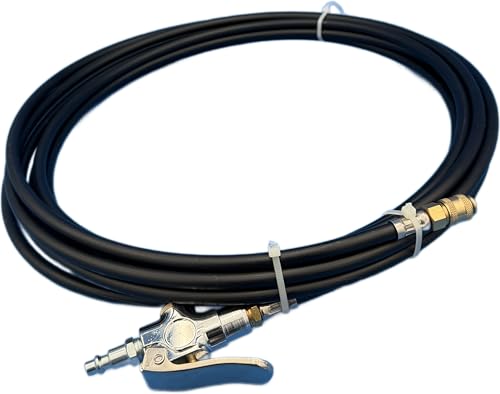
On-Site Duct Supplies 25' Air Duct Cleaning Snake with Blowgun, Flexible Memory Material, 3/8 OD for HVAC Dryer Vents and Supply Vents
Check price on Amazon
HOKLNUSE Dryer Vent Cleaner Kit Ducts Cleaning Kit for Dryer Air Duct HVAC Vent Fireplace Chimney Pellet Stove Gutter Downspout Dryer Vent Lint Removers with 1.5" 4" 6" Brush Heads(30 Feet)
Check price on Amazon
Dryer Vent Duct Cleaning Kit - Gardus RLE202 LintEater Rotary Dryer Vent Cleaner Kit, Removes Lint, Dryer Vent Cleaning System Extends Up to 12’ with 4 Flexible 3' Rods, Air Duct Cleaning Tools
Check price on Amazon