Condenser Coils on AC Unit: The Complete Guide
Understand what condenser coils do, why they are critical to cooling performance, and how proper cleaning and maintenance keep your air conditioner running efficiently for years.
Quick Overview: The condenser coils on an AC unit are the outdoor heat-exchange component responsible for releasing heat absorbed from your home. When these coils become dirty, bent, or damaged, the entire cooling system works harder, consumes more energy, and may eventually fail. This guide explains how condenser coils function, how to inspect them, how to clean them safely, and when to call a professional.
What Are Condenser Coils on an AC Unit?
Condenser coils are the network of tubes — usually made of copper or aluminum — wrapped with thin metal fins and located in the outdoor condenser unit of a split or central air conditioning system. Their job is to release the heat that the indoor evaporator coil absorbed from your home's air. Refrigerant enters the condenser coil as a hot, high-pressure gas, releases its heat to the outside air as it moves through the coil, and condenses into a liquid before returning indoors to repeat the cycle.
In simple terms, the evaporator coil absorbs heat indoors, and the condenser coils on the AC unit reject that heat outdoors. Without efficient condenser coils, the refrigerant cannot condense properly, and the cooling cycle breaks down.
Because the condenser unit sits outside, its coils are constantly exposed to dust, pollen, grass clippings, leaves, pet hair, and airborne debris. Over time this buildup insulates the coil surface, reducing heat transfer and forcing the compressor to work harder.
How Condenser Coils Work in the Cooling Cycle
The refrigeration cycle in an air conditioner has four main stages, and the condenser coil plays a central role in two of them:
- Compression: The compressor pressurizes low-pressure refrigerant gas, raising its temperature significantly.
- Condensation (condenser coil): The hot gas enters the outdoor coil, where a fan pulls ambient air across the fins. The refrigerant releases heat to the outside air and condenses into a high-pressure liquid.
- Expansion: The liquid passes through an expansion valve, dropping in pressure and temperature.
- Evaporation (evaporator coil): The cold refrigerant absorbs heat from indoor air, cooling your home, and returns to the compressor as a gas.
If the condenser coil is dirty or blocked, heat cannot be released efficiently. The refrigerant stays hotter than it should, the compressor runs longer, and indoor cooling suffers. This is why condenser coil maintenance is one of the highest-impact tasks in AC care.
Anatomy and Types of Condenser Coils
Condenser coils vary by system design, but the core construction is similar across residential and light commercial units:
| Component | Function | Common Material |
|---|---|---|
| Refrigerant tubes | Carry hot refrigerant gas through the coil | Copper or aluminum |
| Fins | Increase surface area for heat transfer | Aluminum |
| Coil casing | Protects coil and directs airflow | Galvanized steel |
| Condenser fan | Pulls outdoor air across the coil | Blade fan with motor |
Some systems use microchannel condenser coils, which are flatter and more compact with parallel refrigerant channels. These are common in newer high-efficiency units. Microchannel coils offer good heat transfer in a smaller footprint but can be more sensitive to debris and physical damage, so regular inspection is important.
Other systems rely on tube-and-fin coils, which are traditional, durable, and easier to clean in many cases. Understanding which type your unit uses helps you choose the right cleaning method.
Signs Your Condenser Coils Need Attention
Condenser coil problems rarely appear suddenly. Most develop gradually, and the symptoms are easy to overlook if you are not paying attention. Watch for these warning signs:
- Reduced cooling: The air from your vents is cool but not as cold as it used to be.
- Longer run times: The AC cycles on and stays on longer to reach the thermostat setpoint.
- Higher energy use: Utility usage rises without a change in habits or weather.
- Outdoor unit overheating: The condenser fan runs constantly or the unit shuts off unexpectedly.
- Visible debris: Leaves, grass, lint, or dirt caked on the coil fins.
- Ice on indoor coil: A frozen evaporator coil can indicate restricted heat rejection at the condenser.
- Compressor strain or trips: Repeated breaker trips or compressor overload cutouts are serious signs.
If you notice any of these, inspect the outdoor unit before assuming the worst. Often a thorough cleaning and a check of airflow are enough to restore performance. For related troubleshooting, see our guide on common AC problems.
What Causes Condenser Coils to Get Dirty?
Because the condenser sits outdoors, it is exposed to everything the environment throws at it. The most common causes of coil fouling include:
- Pollen and dust settling on fins and tubes
- Grass clippings and lawn debris from nearby mowing
- Leaves and twigs blocking airflow around the unit
- Pet hair and lint carried by the wind
- Cottonwood fluff and seed pods
- Construction dust and nearby road debris
- Industrial or agricultural airborne particles in some areas
In addition to debris, physical damage such as bent fins reduces airflow and heat transfer. Poor installation — for example, placing the unit too close to a wall, fence, or shrub — restricts airflow and accelerates fouling. Ensuring proper clearance around the condenser is as important as cleaning itself.
How to Clean Condenser Coils on an AC Unit
Cleaning condenser coils is a routine maintenance task that most homeowners can perform safely with basic precautions. Always turn off power at the breaker before starting, and never use a pressure washer directly on the fins — high pressure bends fins and can damage the coil.
- Disconnect power. Switch off the AC at the thermostat and the outdoor disconnect or breaker. This prevents accidental startup.
- Clear the area. Remove leaves, debris, and any vegetation within at least two feet of the unit to restore airflow.
- Remove the top grille or fan guard. On most units, screws hold the top panel in place. Lift it carefully and set it aside. If the fan is attached, support it safely.
- Brush off loose debris. Use a soft-bristle brush or a vacuum with a brush attachment to remove dust and lint from the outside of the coil.
- Rinse from the inside out. Use a garden hose with a gentle spray nozzle to rinse the coil from the inside toward the outside. This pushes dirt out of the fins rather than deeper into them.
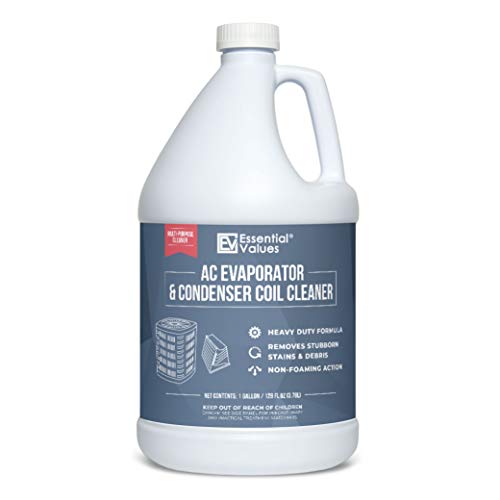
- Apply coil cleaner if needed. Use a dedicated no-rinse or rinse-required coil cleaner according to its directions. Avoid harsh chemicals that can corrode aluminum fins.
- Straighten bent fins. Use a fin comb to gently realign bent fins. This improves airflow and heat transfer.
- Reassemble and restore power. Replace the top panel, tighten screws, and restore power. Run the system and check for normal operation.
Important: If your unit uses a microchannel coil, follow the manufacturer's cleaning guidance closely. Some microchannel coils require specific cleaners and gentle rinsing to avoid damage. If you are unsure, contact a qualified technician. For more detailed coil cleaning guidance, see cleaning air conditioner coils and cleaning coils on a central air conditioner.
Condenser Coil Maintenance Schedule
A consistent maintenance routine is the best protection for condenser coils and the compressor. Use this general schedule as a starting point, adjusting for your local environment:
| Frequency | Task | Best For |
|---|---|---|
| Monthly (in season) | Visual check for debris and airflow clearance | All homes |
| Every 3–6 months | Rinse coil and clear surrounding vegetation | Standard residential use |
| Seasonally | Deep clean with coil cleaner and fin inspection | Dusty or high-pollen areas |
| Annually | Professional inspection and tune-up | All systems, especially older units |
Homes near fields, construction sites, or heavy vegetation may need more frequent cleaning. Homes in clean suburban areas with good clearance may need less. The key is consistency and responding quickly to visible buildup.
Common Mistakes to Avoid
- Using a pressure washer: High pressure flattens fins and can puncture refrigerant tubes.
- Cleaning only the outside face: Dirt often accumulates on the inner surface; rinsing from the inside out is more effective.
- Ignoring clearance: A clean coil still cannot perform if airflow is blocked by shrubs, fences, or stored items.
- Using the wrong cleaner: Harsh acids or household chemicals can corrode aluminum and void warranties.
- Skipping power disconnection: Always cut power before opening the unit — fan blades and capacitors can cause injury.
- Overlooking the indoor coil: Both coils matter. A dirty evaporator coil stresses the condenser. See clean AC evaporator coils for indoor coil care.
When to Call a Professional
Some condenser coil issues are beyond routine homeowner maintenance. Call a licensed HVAC technician if you notice:
- Refrigerant leaks or oily residue around fittings
- Repeated compressor trips or breaker failures
- Severe fin damage across a large portion of the coil
- Persistent poor cooling after cleaning
- Unusual noises from the outdoor unit
- Ice formation on the outdoor coil or refrigerant lines
A technician can perform a pressure test, check refrigerant charge, inspect electrical components, and determine whether coil replacement is necessary. Addressing problems early prevents compressor failure, which is one of the most serious and disruptive AC repairs. For related guidance, see our articles on central air conditioner not blowing cold air and central air conditioner problems not cooling.
How Condenser Coil Condition Affects Performance
A clean condenser coil directly supports several performance goals:
- Efficient heat rejection: Clean coils transfer heat more effectively, allowing the refrigerant to condense at the right temperature and pressure.
- Lower compressor load: When the condenser works efficiently, the compressor runs less and lasts longer.
- Stable indoor comfort: Consistent cooling and humidity control depend on a healthy refrigeration cycle.
- Energy efficiency: Restricted heat transfer increases energy consumption. Maintaining clean coils supports the efficiency rating your unit was designed to deliver.
- Longer system life: Reducing strain on the compressor and fan motor extends the life of the entire system.
If you are evaluating a new system, understanding condenser coil design and maintenance needs will help you choose a unit that fits your home and climate. See our buying an AC guide for a broader selection framework.
Frequently Asked Questions
How often should condenser coils be cleaned?
Most homes benefit from a rinse every three to six months during cooling season, with a deeper cleaning once a year. Homes in dusty, windy, or heavily vegetated areas may need more frequent attention.
Can I clean condenser coils myself?
Yes, basic cleaning — removing debris, rinsing with a garden hose from the inside out, and straightening fins — is a safe DIY task with the power disconnected. Deep cleaning with coil cleaner and any electrical or refrigerant work should be handled by a professional.
What happens if condenser coils are never cleaned?
Dirty coils reduce heat transfer, forcing the compressor to run longer and harder. This raises energy use, reduces cooling capacity, and can lead to compressor failure and premature system replacement.
Is it normal for condenser coils to be hot?
Yes. The condenser coil releases heat, so it is normal for the coil and the air blowing out of the top of the unit to feel warm. If the unit is excessively hot, cycling off, or not cooling indoors, that indicates a problem worth investigating.
What is the difference between condenser coils and evaporator coils?
Condenser coils are outdoors and release heat to the outside air. Evaporator coils are indoors and absorb heat from your home's air. Both are essential to the refrigeration cycle, and both require regular cleaning.
Can bent fins affect performance?
Yes. Bent fins restrict airflow across the coil and reduce heat transfer. A fin comb can straighten minor bends; extensive damage may require professional coil repair or replacement.
Keep Your AC Running at Its Best
Regular condenser coil care is one of the simplest ways to protect your cooling system, maintain comfort, and support long-term efficiency. Explore our related guides on coil cleaning, troubleshooting, and AC selection to make informed decisions.
Explore Coil Cleaning Guides