Commercial Kitchen Hood Cleaning: The Complete Guide to Grease Removal, Fire Safety & NFPA 96 Compliance
A commercial kitchen exhaust hood is one of the most heavily used — and most neglected — pieces of equipment in any food service operation. This guide explains what hood cleaning actually involves, how often it must be done, what the safety codes require, and which equipment tiers suit different kitchen types. Read it before you schedule a service or buy cleaning supplies.
Why Commercial Kitchen Hood Cleaning Matters
Every hour a commercial kitchen operates, cooking vapors carry grease particles upward into the exhaust hood. Over time, that grease condenses on baffle filters, plenum walls, duct interiors, and the roof fan. The result is more than an unpleasant smell. Grease is a flammable fuel, and a buildup inside an exhaust duct can turn a small flare-up on a cooktop into a fast-spreading duct fire.
Hood cleaning is not cosmetic maintenance. It is a fire-prevention function, an air-quality function, and in many jurisdictions a legal obligation. Restaurants that fall behind on exhaust cleaning can face failed fire inspections, insurance complications, and unsafe working conditions for staff. A disciplined cleaning schedule protects the building, the business, and the people inside it.
What Gets Cleaned: The Full Exhaust System
A complete commercial hood cleaning service touches every component that carries or traps grease. Understanding the parts helps you evaluate a cleaning proposal and confirm the work was done.
- Hood canopy and interior plenum. The visible hood shell and the space above the filters where grease-laden vapor collects.
- Baffle filters and filter racks. Stainless steel baffles that trap grease through centrifugal action. These are removed, degreased, and often washed in a dish machine or soak tank.
- Grease trough and collection cup. The channel that directs liquefied grease to a collection point.
- Exhaust ductwork. Horizontal and vertical duct runs connecting the hood to the roof. This is where the majority of hidden fire risk lives.
- Rooftop exhaust fan and hinge assembly. The fan pulls air through the system; its blades and housing accumulate grease and must be cleaned and often re-balanced.
- Access panels and fire dampers. Panels opened during cleaning and closed afterward; fire dampers must remain functional.
- Grease trap and drain connections. Where captured grease and wash water exit the system safely.
If your facility also runs packaged rooftop cooling or heating equipment near the exhaust stack, that gear benefits from routine inspection too. Our guide on condensing units and rooftop HVAC components explains how to keep those units serviceable alongside your kitchen exhaust system.
Understanding Grease Buildup and Fire Risk
Grease accumulates in layers. A thin film on a baffle filter ignites more easily than many operators expect, and a thick layer inside a duct can sustain a fire that spreads along the entire run. The physics are straightforward: the more fuel present, the faster a small ignition source becomes a serious event.
The three grease zones
- High-deposit zone: the plenum directly above the cooking surface, filter racks, and the first few feet of duct. Grease concentrates here fastest.
- Transition zone: horizontal duct runs and elbows where airflow slows and particles settle.
- Terminal zone: the rooftop fan and final duct section, which often look clean from the outside while carrying heavy internal buildup.
Each zone requires a different cleaning approach. A service that only wipes the hood canopy and swaps filters leaves the transition and terminal zones untouched — exactly the areas most associated with duct fires.
How Often Should a Commercial Kitchen Hood Be Cleaned?
Cleaning frequency is determined by cooking volume and the type of cooking performed, not by calendar convenience. The more grease produced per day, the shorter the interval between cleanings. The table below reflects common industry practice; always confirm local fire code requirements, which may be stricter.
| Kitchen Type | Cooking Profile | Typical Cleaning Interval | Inspection Frequency |
|---|---|---|---|
| High-volume fryer / grill operation | Deep frying, charbroiling, 12+ hours per day | Monthly | Monthly |
| Busy full-service restaurant | Mixed cooking, 8–12 hours per day | Every 2–3 months | Monthly |
| Moderate-volume restaurant or cafe | Light frying, oven and range work | Every 3–4 months | Quarterly |
| Low-volume kitchen, bakery, or break room | Minimal grease production | Every 6 months to annually | Annually |
A practical rule: if grease is visible on the plenum walls or dripping from the filter rack between scheduled cleanings, the interval is too long. Operators should also clean immediately after any flare-up or fire event, regardless of the schedule.
NFPA 96 Compliance Explained
NFPA 96, the Standard for Ventilation Control and Fire Protection of Commercial Cooking Operations, is the reference document most U.S. fire codes adopt for commercial kitchen exhaust systems. It addresses design, installation, inspection, and maintenance of hoods and ducts. While the standard itself is technical, the compliance takeaways for operators are practical:
- Scheduled cleaning is required. The exhaust system must be inspected and cleaned at intervals appropriate to the cooking volume and fuel type.
- Records must be kept. Cleaning and inspection documentation should be retained and made available to the fire authority.
- Access is mandatory. Ductwork needs adequate access panels so the entire interior can be reached, inspected, and cleaned.
- Fire suppression must remain functional. Cleaning must not damage or disable the hood's fire suppression nozzles, fusible links, or detection components.
- Grease removal must be thorough. The standard is concerned with the removal of combustible deposits, not surface wiping.
Because local codes can add requirements on top of NFPA 96, confirm specifics with your local fire marshal or authority having jurisdiction (AHJ). Building systems that support the kitchen — ventilation, electrical, and HVAC controls — often fall under the same inspection cycles; our overview of building automation and HVAC control systems is useful for understanding how exhaust interlocks and make-up air are monitored.
DIY Cleaning vs Professional Service
Some operators clean hood canopies and filters in-house and hire a specialist for the ductwork and rooftop fan. That hybrid approach can work, but it depends on the kitchen's risk profile and local rules.
When in-house cleaning is reasonable
- Daily or weekly filter washing and canopy wipe-downs between professional visits
- Low-volume kitchens with minimal grease production
- Facilities with trained staff, proper PPE, and documented procedures
When professional cleaning is the right call
- Duct interior cleaning, especially horizontal runs and vertical risers
- Rooftop fan removal, degreasing, and re-balancing
- High-volume fryer and grill operations with monthly compliance obligations
- Any facility that needs documented inspection reports for insurance or fire authority
Professional hood cleaning companies typically provide before-and-after photos, grease-depth measurements, and compliance documentation. That paperwork has real operational value when an inspector visits or an insurer asks for maintenance records.
Cleaning Equipment by Tier
Equipment needs scale with kitchen volume and whether cleaning is done in-house or by a service provider. The tiers below describe capability levels rather than any specific product or figure.
Starter Tier — Daily and weekly upkeep
Suited to small kitchens handling routine filter and canopy maintenance between professional visits.
- Stainless steel baffle filter soak tank or utility sink with hot water
- Heavy-duty nitrile gloves, safety glasses, and splash apron
- Hand-pump sprayer for degreaser application on canopy surfaces
- Stiff-bristle brushes and non-abrasive scrubbing pads
- Wet/dry shop vacuum for wash-water recovery
Mid-Range Tier — In-house deep cleaning for moderate kitchens
Adds pressure and reach for plenum and short duct runs without the complexity of full commercial rigs.
- Electric pressure washer with adjustable nozzle and detergent injection
- Rotary duct cleaning brush on a flexible shaft
- Extension wands for reaching plenum walls and filter racks
- Portable grease trap or separation container for wash water
- LED work lights rated for wet environments
Premium Tier — Full-system cleaning capability
For facilities that bring duct and fan cleaning in-house or for contractors standardizing their kit.
- Hot-water pressure washer with steam option for baked-on grease
- Powered duct cleaning machine with cable-driven brush heads
- Rooftop fan hinge kit and fan removal tools
- Grease-depth gauge for documenting buildup before and after cleaning
- Containment sheeting and negative-air equipment to protect the kitchen
Commercial-Grade Tier — Professional service provider equipment
Heavy-duty, high-throughput gear built for daily use across multiple client sites.
- Truck-mounted or skid-mounted hot-water pressure systems
- Industrial duct cleaning machines with multiple brush head profiles
- Roof-safe access equipment: ladder stabilizers, fall-arrest harnesses, and platform systems
- Wash-water filtration and recycling units for environmental compliance
- Digital documentation tools: cameras, grease-depth logs, and report generation software
Facilities with adjacent refrigeration or HVAC plant rooms should also keep that equipment in a serviceable state. Our article on condenser coils on AC units covers coil cleaning fundamentals that apply to rooftop condensers near exhaust stacks.
Degreasers and Chemicals: What to Look For
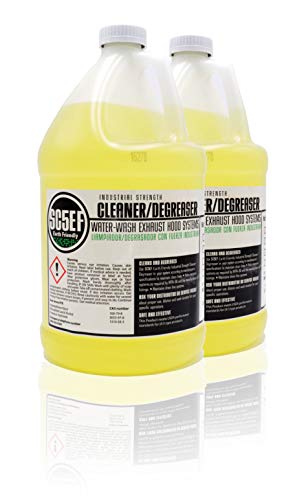
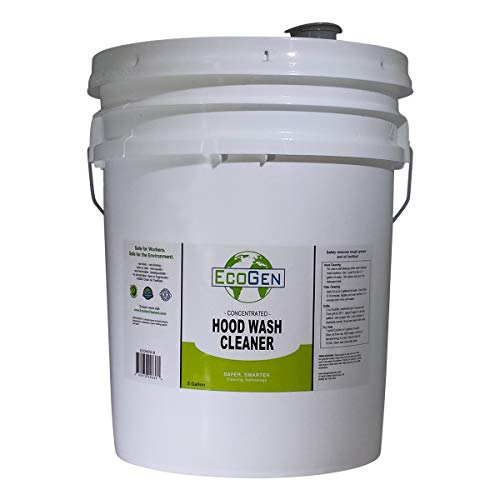
The cleaning chemical matters as much as the equipment. A degreaser that is too aggressive can damage stainless steel, aluminum fan blades, or fire suppression components. A degreaser that is too mild will not cut polymerized grease.
- Alkaline degreasers are effective on animal fats and vegetable oils but require careful rinsing and PPE.
- Solvent-based degreasers penetrate heavy deposits quickly but demand strong ventilation and fire-safety discipline.
- Enzymatic or bio-based cleaners are gentler on surfaces and drains and are a good fit for routine maintenance.
- Food-safe formulations are essential for any surface that will contact food or cooking utensils after cleaning.
Always check compatibility with stainless steel and aluminum before applying a new product across the entire system. Test on an inconspicuous area first, and follow the manufacturer's dilution and dwell-time instructions precisely.
Step-by-Step Cleaning Workflow
Whether performed in-house or by a contractor, a disciplined workflow produces consistent results and protects the kitchen during the process.
- Prepare the space. Cover cooking equipment and prep surfaces, isolate the exhaust fan, and confirm the fire suppression system is protected from water and chemical intrusion.
- Remove filters and accessories. Take out baffle filters, grease cups, and any removable components. Soak and wash them separately.
- Clean the hood canopy and plenum. Apply degreaser, allow dwell time, scrub, and rinse. Recover all wash water.
- Clean the ductwork. Open access panels, run rotary brushes through horizontal and vertical runs, and vacuum or wash out loosened deposits.
- Clean the rooftop fan. Remove or hinge the fan, degrease blades and housing, inspect for damage, and reinstall or re-balance as needed.
- Inspect fire suppression components. Confirm nozzles, fusible links, and detection devices are clean, unobstructed, and functional.
- Reassemble and document. Reinstall filters and access panels, restore the fan, and record grease depth, cleaning date, and any deficiencies observed.
Safety Precautions and PPE
Hood cleaning combines hot water, aggressive chemicals, slippery surfaces, and rooftop work. Safety planning is not optional.
- Personal protective equipment: chemical-resistant gloves, safety glasses or goggles, face shield for overhead work, splash apron, and non-slip boots.
- Rooftop safety: fall-arrest harness, ladder stabilizers, and a second person present whenever roof access is involved.
- Electrical safety: lock out the exhaust fan and any nearby equipment before cleaning begins. Wet environments and live circuits do not mix.
- Chemical safety: ventilate the area, never mix degreasers with other chemicals, and keep safety data sheets accessible.
- Fire suppression protection: cover or shield suppression nozzles during cleaning and verify functionality before returning the kitchen to service.
Facilities that also maintain HVAC or refrigeration equipment should coordinate service visits so that exhaust cleaning and mechanical maintenance do not conflict. Our guidance on commercial heating and air conditioning units outlines how to schedule combined service windows efficiently.
Long-Term Benefits of a Cleaning Schedule
A documented hood cleaning program pays back in several ways that compound over time:
- Fire risk reduction. Removing combustible grease from ducts and fans is the single most effective way to reduce the severity of a kitchen fire.
- Compliance confidence. Inspection-ready records eliminate last-minute scrambles before fire authority visits.
- Equipment longevity. A clean fan runs more efficiently and lasts longer than one coated in grease.
- Air quality and staff comfort. Cleaner exhaust means less smoke, odor, and grease fallout in the kitchen.
- Insurance and liability protection. Maintenance records support claims and demonstrate due diligence.
Kitchens that share a building with other mechanical systems should also keep those systems serviced. Our article on commercial HVAC units explains how to build a combined maintenance calendar that covers both kitchen exhaust and building climate equipment.
Frequently Asked Questions
How do I know when my commercial kitchen hood needs cleaning?
Visible grease on plenum walls, dripping from filter racks, a persistent grease smell, or a fan that sounds louder than usual are all signs. Formal grease-depth measurement is the most reliable indicator, and scheduled intervals based on cooking volume should be followed regardless of appearance.
Can I clean the ductwork myself?
Short, accessible duct runs can sometimes be cleaned in-house with the right equipment and training. Horizontal runs, vertical risers, and rooftop fan assemblies are best handled by a professional service with proper access equipment and documentation practices.
What records should I keep after cleaning?
Keep the cleaning date, the zones serviced, grease-depth readings before and after, before-and-after photos, any deficiencies noted (damaged filters, fan imbalance, suppression issues), and the name of the technician or company. Retain records for at least as long as your local fire authority requires.
Does hood cleaning interfere with the fire suppression system?
It can if not handled carefully. Suppression nozzles, fusible links, and detection components must be protected during cleaning and inspected afterward. Confirm the system is fully functional before the kitchen returns to service.
How does NFPA 96 affect my cleaning schedule?
NFPA 96 requires inspection and cleaning at intervals appropriate to cooking volume and fuel type, and it expects documentation. Local codes may add stricter requirements, so confirm specifics with your authority having jurisdiction.
Is a clean hood enough to prevent duct fires?
No single measure guarantees prevention, but thorough cleaning of the hood, ductwork, and fan removes the fuel load that turns a small ignition into a duct fire. Cleaning combined with functional fire suppression and disciplined cooking practices provides the strongest protection.