HVAC System Guide: Types, Components & Buying Tips
Understand how heating, ventilation, and air conditioning systems work, compare system types, learn sizing and efficiency essentials, and choose the right setup for your home with confidence.
Explore HVAC TypesWhat Is an HVAC System?
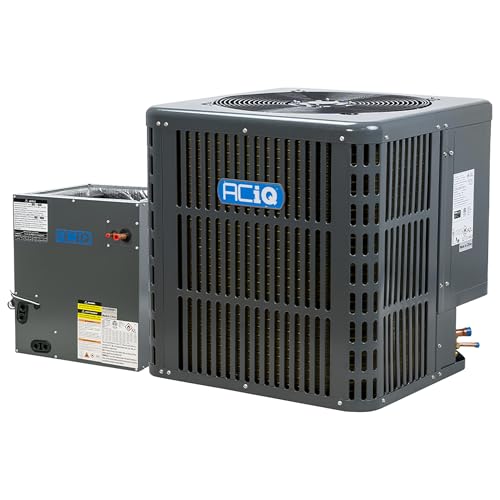
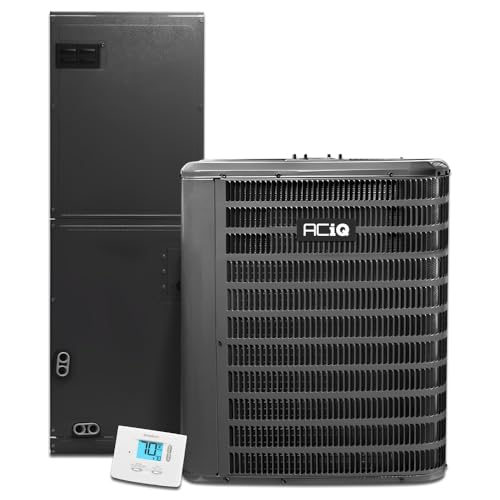
HVAC stands for heating, ventilation, and air conditioning. An HVAC system is the integrated network of equipment that controls indoor temperature, humidity, air quality, and air movement in a building. Rather than being a single appliance, an HVAC system combines several subsystems that work together to keep indoor spaces comfortable and healthy throughout the year.
For most homeowners, an HVAC system includes a heating source (such as a furnace or heat pump), a cooling source (such as an air conditioner or the cooling mode of a heat pump), a distribution network of ducts and vents, and a control layer of thermostats and sensors. Understanding these parts helps you evaluate proposals from contractors and make informed decisions about upgrades or replacements.
The term "HVAC" is often used broadly. A complete system for a house might be a central forced-air setup, while a ductless split system provides zoned comfort without ductwork. Both are valid HVAC approaches, and the right choice depends on your home's layout, insulation, climate, and budget structure. If you are starting your research, the HVAC system buying guide offers a structured starting point.
Core Components of an HVAC System
Whether you have a central system or a ductless arrangement, the main components perform similar roles. Recognizing them helps you discuss service options intelligently and understand maintenance tasks.
- Heating unit: A furnace, boiler, or heat pump that generates warmth during colder months.
- Cooling unit: An air conditioner, heat pump, or evaporative cooler that removes heat and humidity.
- Air handler and blower: Moves conditioned air through the ductwork or directly into rooms.
- Ductwork and vents: Distributes supply air and returns air to the central unit in forced-air systems.
- Thermostat or controls: Sets temperature schedules and, in smart models, manages zones and energy use.
- Filters and air quality accessories: Capture particles, allergens, and pollutants to improve indoor air.
- Refrigerant lines and coils: Transfer heat between indoor and outdoor sections in split systems.
If you want to upgrade control and comfort without replacing major equipment, a smart thermostat is often a practical first step. For airflow challenges in older buildings, a high-velocity small-duct system can deliver conditioned air through compact tubing.
Common HVAC System Types
HVAC systems fall into a few broad families. Each has strengths that suit different building types and climates. The table below summarizes the most common configurations and where they typically fit.
| System Type | Best For | Typical Market Position | Key Notes |
|---|---|---|---|
| Central split system | Single-family homes with existing ductwork | mid-range to premium | Condenser outdoors, air handler indoors, ducted distribution. |
| Ductless mini-split | Homes without ducts, room additions, zoned comfort | mid-tier to high-end tier | Wall-mounted indoor heads, efficient zoning, flexible installation. |
| Packaged unit | Small buildings, rooftop or slab placement | entry-level to mid-range | All components in one cabinet; suited to compact footprints. |
| Heat pump system | Mild to moderate climates, year-round efficiency | mid-tier to premium | Provides both heating and cooling; cold-climate variants extend range. |
| Hybrid or dual-fuel | Regions with variable energy profiles | high-end tier | Combines heat pump and furnace for optimized seasonal performance. |
| Rooftop unit (RTU) | Commercial buildings and light industrial | commercial-grade | Heavy-duty construction, service access from roof, zoned controls. |
For residential contexts, the distinction between central and ductless layouts is often the first decision. Residential HVAC options range from single-room mini-splits to whole-home central systems. If you operate a commercial facility, HVAC systems for commercial buildings require additional attention to load diversity, ventilation codes, and zoning. Industrial settings have their own requirements, covered in the industrial HVAC overview.
Split Systems vs Packaged Systems
Split systems separate the indoor air handler from the outdoor condenser. This arrangement is common in homes because it keeps noisy equipment outside and allows flexible indoor placement. Split configurations are available for both central ducted systems and ductless mini-splits. The HVAC split units page explains how indoor and outdoor sections communicate and what to consider when pairing components.
Packaged systems place all major components in a single outdoor cabinet. They are common in smaller homes, manufactured housing, and commercial rooftops where indoor space is limited. Packaged units can be simpler to install in some retrofit situations, though duct routing still matters. Rooftop packaged equipment is a staple of light commercial design, and the rooftop HVAC unit discussion covers service access and weatherproofing considerations.
How HVAC Sizing Works
Sizing is one of the most consequential decisions in an HVAC project. An oversized system cools too quickly, cycles frequently, and struggles to remove humidity. An undersized system runs continuously and may never reach the desired setpoint on peak days. Proper sizing uses a load calculation that considers square footage, ceiling height, insulation, window area and orientation, air infiltration, occupancy, and local climate data.
The HVAC sizing resource explains the load calculation process in detail. In practice, a qualified technician performs a room-by-room assessment rather than relying on a simple square-foot rule. If you want to understand the vocabulary before requesting quotes, review the sizing guide and ask contractors whether they perform a full Manual J or equivalent load calculation.
- Cooling load: Heat gain from sun, occupants, appliances, and infiltration.
- Heating load: Heat loss through the envelope during the coldest design conditions.
- Airflow: Duct capacity and static pressure must match the equipment's requirements.
- Humidity: Latent load matters in humid climates; equipment selection affects moisture removal.
If your existing ducts are undersized or poorly sealed, even correctly sized equipment may underperform. A professional HVAC system inspection can reveal duct leakage, pressure imbalances, and insulation gaps before you commit to new equipment.
Efficiency Ratings Explained
Efficiency ratings help you compare equipment on energy performance. The most common metrics are SEER2 for cooling, HSPF2 for heat pump heating, and AFUE for furnaces. Higher ratings generally indicate more efficient operation, but the real-world benefit depends on climate, usage patterns, and installation quality.
| Rating | Applies To | What It Measures | Practical Meaning |
|---|---|---|---|
| SEER2 | Air conditioners and heat pumps (cooling) | Seasonal cooling efficiency | Higher values indicate more cooling output per unit of energy over a season. |
| EER2 | Air conditioners and heat pumps | Peak-condition efficiency | Useful for comparing performance on the hottest days. |
| HSPF2 | Heat pumps (heating) | Seasonal heating efficiency | Higher values indicate more efficient heating across the season. |
| AFUE | Furnaces and boilers | Annual fuel utilization efficiency | Percentage of fuel converted to usable heat; higher is better. |
Efficiency upgrades often pair well with envelope improvements such as air sealing and insulation. A ventilation system strategy also matters: modern homes need controlled fresh air to maintain indoor air quality while managing energy use. For homes with allergy concerns, an HVAC with air purifier configuration can add filtration without compromising airflow when properly designed.
Buying Considerations by Market Tier
HVAC equipment spans a wide range of market positions. Instead of anchoring decisions to any single number, think in terms of tiers and what each tier typically delivers. This framing helps you align expectations with long-term goals.
Entry-Level and Essential Tier
Entry-level systems cover the basics: reliable cooling and heating with standard efficiency and fewer advanced features. They suit rental properties, seasonal homes, or budgets that prioritize straightforward replacement. Build quality is adequate for normal residential use, and maintenance access is generally simple.
Mid-Range and Balanced Tier
Mid-range systems add higher efficiency, quieter operation, and better humidity control. Variable-speed or two-stage compressors are more common here, which improves comfort and reduces temperature swings. This tier is often the sweet spot for homeowners planning to stay in their property for many years.
Premium and High-End Tier
Premium systems emphasize top-tier efficiency, advanced controls, enhanced filtration, and very quiet operation. They may include communicating systems that optimize airflow and refrigerant management. These are long-term investments best justified by extended occupancy, stringent comfort expectations, or specific air quality needs.
Commercial-Grade and Professional-Grade
Commercial-grade equipment is engineered for heavier duty cycles, serviceability, and integration with building management systems. Rooftop units, large split systems, and zoned commercial layouts fall into this category. The commercial HVAC systems guide covers load diversity, ventilation codes, and maintenance planning.
Installation and Professional Help
Installation quality has an outsized effect on performance, efficiency, and equipment lifespan. Proper installation includes load calculation, duct evaluation, refrigerant charge verification, airflow balancing, and controls setup. Even the best equipment underperforms if static pressure is high, refrigerant charge is incorrect, or the thermostat is poorly located.
When evaluating contractors, look for clear proposals that specify equipment model numbers, load calculation methodology, duct modifications, and commissioning steps. The HVAC service providers directory-style overview can help you frame questions. For specific technical tasks, HVAC technicians and HVAC specialists bring different levels of certification and experience.
If your project involves new construction or a major renovation, coordinate HVAC design with the building envelope and electrical plan. HVAC system installation best practices include protecting refrigerant lines, sealing duct penetrations, and labeling controls for future service. For smaller upgrades, a thermostat installation or zoning system installation can improve comfort without replacing major equipment.
Maintenance Essentials
Routine maintenance preserves efficiency and catches small issues before they become failures. A practical maintenance plan includes filter changes, coil cleaning, condensate drain inspection, refrigerant charge checks, and electrical component inspection. Seasonal tune-ups are especially valuable before peak cooling and heating seasons.
- Filters: Replace or clean according to manufacturer guidance and local dust conditions.
- Coils: Keep evaporator and condenser coils clean to maintain heat transfer.
- Drain line: Flush the condensate drain to prevent clogs and water damage.
- Ductwork: Inspect for leaks, disconnected sections, and crushed flex duct.
- Outdoor unit: Clear debris and maintain clearance for airflow.
- Controls: Verify thermostat schedules and sensor calibration.
Professional HVAC unit maintenance and tune-up service visits typically cover these checks and provide a written report. For buildings with central plant equipment, HVAC system cleaning services address coils, drains, and air handling components. If you notice unusual noises, odors, or inconsistent temperatures, schedule an HVAC system repair assessment promptly. Local resources such as HVAC services in my area can help you find qualified support.
For homes with humidity challenges, consider whether a dehumidifier strategy is appropriate; the resource on whether you need a dehumidifier explains the signs. Zoned systems can also improve comfort and efficiency; the HVAC zoning systems guide covers damper design and control options, while HVAC zoning dampers explains the hardware side.
Frequently Asked Questions
How do I know which HVAC system type is right for my home?
Start with your existing distribution. If you have well-sealed ducts, a central split system is usually the most direct path. If you lack ducts or need room-by-room control, ductless mini-splits are often the better fit. Packaged systems make sense when indoor mechanical space is limited. A load calculation and an on-site evaluation by a qualified technician are the most reliable way to decide.
What size HVAC system do I need?
Size is determined by a room-by-room load calculation that considers square footage, insulation, windows, air infiltration, occupancy, and climate. Avoid relying on a simple square-foot rule. The HVAC sizing overview explains the inputs and why they matter.
How often should an HVAC system be serviced?
Most manufacturers recommend professional service once per year for cooling and once per year for heating, or a combined annual visit depending on equipment. Filter changes happen more frequently, often every one to three months depending on dust and usage. Regular tune-up service helps preserve efficiency and catch issues early.
What efficiency rating should I look for?
Look for equipment that meets or exceeds current minimum standards and aligns with your climate and usage. Higher SEER2 and HSPF2 ratings generally indicate better efficiency, but installation quality and duct performance strongly influence real-world results. A balanced-tier system installed well often outperforms a premium-tier system installed poorly.
Can I replace just part of my HVAC system?
Sometimes yes. Replacing only the outdoor condenser while keeping an older indoor coil can reduce performance and may affect warranty coverage. The safer approach is to replace matched components together or to have a technician verify compatibility. An HVAC system inspection can clarify what can be retained and what should be upgraded.
How do I find a reliable HVAC contractor?
Ask for referrals, verify licensing and insurance, and request written proposals that include load calculations, equipment model numbers, and commissioning steps. The HVAC service providers overview and HVAC service companies discussion can help you frame comparison questions. Local searches for HVAC repair in my area and HVAC technician in my area are useful starting points.
Ready to Compare HVAC Options?
Use the buying framework above to shortlist system types and market tiers, then request detailed proposals from qualified contractors. A well-planned project balances load calculation, equipment selection, installation quality, and long-term maintenance.
View Recommended HVAC Systems