Condenser for HVAC: The Complete Selection Guide
Understand how an HVAC condenser works, the types available, how to size one correctly, and what to check before upgrading your outdoor unit for reliable, efficient home cooling.
START LEARNINGAC Units Guide Philosophy: The condenser is the workhorse of any HVAC system. Choosing the right unit means understanding your home's load, climate, and long-term efficiency goals. Learn first, then decide with confidence.
What Is an HVAC Condenser?
An HVAC condenser is the outdoor component of a split air conditioning or heat pump system. Its main job is to release heat that has been absorbed from inside your home into the outside air. Inside the condenser, refrigerant arrives as a high-pressure gas, passes through the condenser coils, and condenses back into a liquid. This phase change is what allows the cooling cycle to continue.
Because the condenser operates outdoors year after year, it must be durable and well-maintained. A properly matched condenser keeps your indoor evaporator coil supplied with the right refrigerant flow and pressure, which directly affects comfort, energy use, and equipment lifespan. If you are also learning about the indoor side of the system, our guide to the air cooled condenser complements this overview nicely.
How an HVAC Condenser Works
The condenser sits at the heart of the refrigeration cycle. Understanding its role helps you evaluate performance claims and maintenance needs more clearly.
- Compression: The compressor raises refrigerant pressure and temperature before it reaches the condenser coils.
- Heat rejection: Outdoor air is pulled across the condenser coils by the condenser fan, carrying heat away from the refrigerant.
- Condensation: As heat leaves the refrigerant, it changes from gas back into liquid.
- Metering: The liquid refrigerant travels through the expansion valve toward the indoor evaporator coil, where the cooling cycle repeats.
Any restriction in airflow, such as dirty coils or a failing condenser fan motor, forces the system to work harder. Over time, this can shorten compressor life and raise energy consumption. That is why condenser maintenance should be treated as a core part of home cooling upkeep, similar to what we cover in our air conditioner condenser maintenance guide.
Types of HVAC Condensers
Condensers differ in how they reject heat and how they are integrated into a home. The most common types for residential HVAC are air-cooled and evaporative, with split-system and packaged configurations dominating the market.
Air-Cooled Condenser
The most common type for residential HVAC. It uses outdoor air and a fan to remove heat from the coils. Reliable, simple to service, and widely available in matched split-system configurations.
Evaporative Condenser
Uses water evaporation to boost heat rejection. More efficient in hot, dry climates but requires water treatment and regular maintenance to prevent scale and biological growth.
Split-System Condenser
Paired with an indoor evaporator coil and air handler. This is the standard setup for most homes and allows flexible placement of the outdoor unit.
Packaged Unit Condenser
Condenser, evaporator, and compressor housed in one outdoor cabinet. Common in limited-space homes and some commercial applications where indoor space is at a premium.
Heat Pump Condenser
Functions as both a condenser in cooling mode and an evaporator in heating mode. A strong choice for climates with moderate heating and cooling demands.
Commercial-Grade Condenser
Built for continuous duty with heavier coils, robust fan assemblies, and corrosion-resistant cabinets. Suitable for light commercial spaces and multi-unit buildings.
For homeowners evaluating the outdoor unit in isolation, our page on auto condenser explains how condenser principles apply in vehicle systems, while the HVAC condenser material here focuses on home and light commercial comfort.
How to Size an HVAC Condenser
Condenser sizing is not simply a matter of matching square footage. A properly sized condenser matches the home's cooling load, which depends on insulation, window area, climate, duct design, and occupancy. Oversized condensers cool too quickly, cycle frequently, and struggle to remove humidity. Undersized units run continuously and may never reach the target temperature on the hottest days.
A professional load calculation, often based on Manual J methodology, remains the most reliable approach. For a practical starting point, our buying guide walks through the factors that influence capacity selection, and our BTU guide explains the unit of measurement used to express condenser capacity.
Practical tip: When replacing an existing condenser, do not assume the old unit was sized correctly. Ask your contractor to verify the load calculation and confirm that the new condenser matches the indoor coil and refrigerant type.
Condenser Tiers and Best-Fit Scenarios
Condensers are available across several market tiers. The table below uses neutral descriptors to help you compare options without relying on changing market figures. Use it to identify which tier aligns with your home, climate, and efficiency priorities.
| Tier | Best For | Key Characteristics | Efficiency Profile |
|---|---|---|---|
| Entry-Level | Rentals, mild climates, limited-use cooling | Single-stage compressor, basic coil protection, simple cabinet design | Standard efficiency; meets baseline standards |
| Mid-Range | Primary residences, mixed climates, long cooling seasons | Two-stage or scroll compressor options, improved coil coatings, quieter fan | Above-baseline efficiency; balanced performance |
| Premium | High-use homes, hot climates, homeowners prioritizing comfort | Variable-speed compressor, advanced controls, corrosion-resistant cabinet | High efficiency; strong humidity control |
| High-End Tier | Large homes, severe climates, long-term efficiency planning | Fully modulating operation, premium sound insulation, smart diagnostics | Top-tier efficiency; optimized part-load performance |
Efficiency Ratings to Understand Before You Choose
Condenser efficiency is closely tied to the overall system rating. SEER and SEER2 values describe cooling efficiency over a season, while EER and EER2 describe efficiency at a specific test condition. Higher ratings generally mean lower energy use, but the right target depends on your climate and how long the cooling season lasts.
In addition to the rating itself, look for features such as corrosion-resistant coil coatings, robust fan motors, and compatible control systems. Our guides on air conditioning unit SEER ratings and air conditioning condenser repair provide deeper context on efficiency and serviceability.
Condenser Maintenance That Extends Equipment Life
A condenser is exposed to weather, pollen, dust, and debris every day. Regular maintenance protects efficiency and prevents avoidable failures.
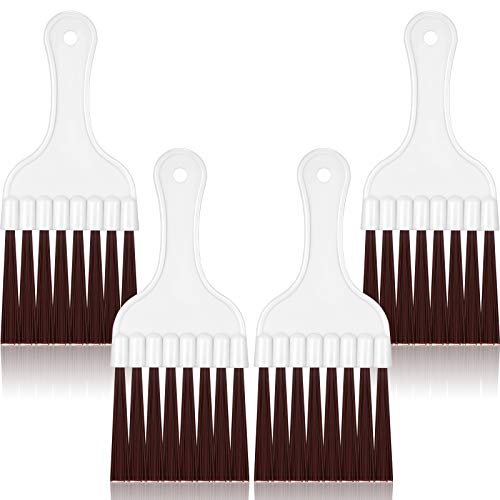
- Clean the coils: Rinse or brush the condenser coils at the start of the cooling season and after heavy pollen periods.
- Clear the area: Keep at least two feet of clearance around the unit for airflow.
- Check the fan: Listen for unusual noise and inspect fan blades for debris or damage.
- Inspect the cabinet: Look for rust, loose panels, or signs of pest intrusion.
- Schedule professional service: An annual inspection catches refrigerant issues, electrical wear, and capacitor problems early.
If you notice the system is running but not cooling effectively, our guide to AC fan on but not blowing cold air can help you narrow down whether the problem is condenser-related or elsewhere in the system.
Repair vs Replace: Deciding on a Condenser
Condensers are durable, but they do not last forever. Age, refrigerant type, and repair history all influence the decision. If the condenser uses a phased-out refrigerant or has a failed compressor, replacement may be the more practical path. If the unit is younger and the issue is isolated, a targeted repair is often reasonable.
When considering replacement, review our AC compressor replacement guide for related component decisions, and confirm warranty details through the AC warranty registration process. Matching the new condenser to the existing indoor coil is essential to preserve rated performance and warranty coverage.
Common Mistakes When Choosing a Condenser
- Choosing by cabinet size alone: Physical size does not indicate capacity or efficiency.
- Ignoring the indoor coil: A mismatched evaporator coil undermines condenser performance.
- Skipping load calculation: Guessing capacity often leads to short cycling or insufficient cooling.
- Overlooking refrigerant compatibility: Newer refrigerants require compatible components and handling procedures.
- Neglecting installation quality: Proper line-set sizing, vacuum procedures, and electrical connections matter as much as the unit itself.
Frequently Asked Questions
What does a condenser do in an HVAC system?
The condenser releases heat absorbed from your indoor space into the outdoor air. It is a critical component that allows the refrigerant to change from gas back to liquid so the cooling cycle can continue.
How do I know what size condenser I need?
Condenser sizing depends on your home's square footage, insulation, window area, climate, and ductwork. A professional load calculation, often based on Manual J, is the most reliable method to determine the correct capacity.
How often should an HVAC condenser be serviced?
A condenser should be inspected and cleaned at least once per year, ideally before the cooling season. In dusty or high-pollen areas, cleaning the coils every few months is recommended.
Can I replace just the condenser without the indoor unit?
In many cases yes, but the condenser and indoor coil must be matched for efficiency and refrigerant compatibility. Replacing only the outdoor unit with a mismatched indoor coil can reduce performance and void warranties.
What are the signs that an HVAC condenser needs attention?
Common signs include weak cooling, frequent cycling, unusual noises, ice on the refrigerant lines, and higher-than-usual energy use. Any of these warrant a professional inspection.
Ready to compare options? Use the product recommendations below to explore condensers and related HVAC equipment that match your home's needs, then verify compatibility with a qualified contractor before installation.