Cooling Fan for Bedroom: The Complete Buyer's Guide
Discover how to choose the right cooling fan for your bedroom. Compare fan types, understand airflow and noise levels, and learn placement strategies for cooler, more comfortable sleep.
EXPLORE FAN TYPESWhy a bedroom cooling fan deserves careful selection: A bedroom fan is not just a summer accessory; it directly affects how quickly you fall asleep, how deeply you rest, and how much energy you consume overnight. The wrong fan can be too loud, too weak, or too bulky for a small room.
This guide walks you through every decision point so you can confidently pick a fan that matches your room size, sleep habits, and climate. If you are still exploring broader cooling options, our overview of cooling fans for rooms provides useful context before narrowing down to a bedroom-specific model.
Why Use a Cooling Fan in the Bedroom?
A cooling fan does not lower the actual air temperature the way an air conditioner does. Instead, it creates a steady airflow that accelerates the evaporation of sweat on your skin, which makes you feel noticeably cooler. This effect is why a well-placed fan can transform a stuffy bedroom into a comfortable sleeping environment even when the thermostat stays unchanged.
Beyond comfort, a bedroom fan offers practical advantages. It consumes far less electricity than an air conditioner, runs quietly enough for overnight use, and requires minimal maintenance. For many households, a fan is the first line of defense on mild nights and a helpful partner to AC during hotter periods. If your goal is to cool a room without relying fully on air conditioning, our guide on cooling down a room without air conditioning explains complementary strategies.
Types of Cooling Fans for Bedrooms
Each fan type has a distinct personality: some prioritize silence, others maximize airflow, and some are designed to disappear into your room's decor. Below is a breakdown of the most common options, each described with a consistent market-tier descriptor so you can compare them fairly.
Tower Fan
A tall, narrow fan that fits into tight corners and delivers a wide, gentle airflow. Tower fans are popular for bedrooms because they often include sleep timers, oscillation, and remote controls. Mid-range and premium models are notably quieter than entry-level versions, making them a solid choice for light sleepers.
Pedestal Fan
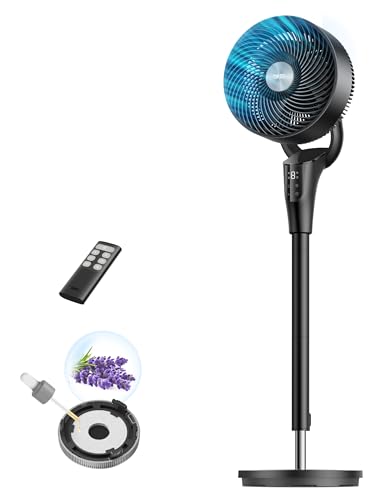
A stand-mounted fan with adjustable height and tilt, capable of strong airflow across an entire room. Pedestal fans are highly effective in medium to large bedrooms. Higher-tier models offer brushless motors and refined blade designs that reduce noise while maintaining power.
Ceiling Fan
Installed overhead, a ceiling fan circulates air throughout the room without occupying floor space. It is the most seamless option for bedrooms and can be paired with a light fixture. Running the blades counterclockwise in summer pushes cool air downward for a consistent breeze.
Floor Fan
A compact, high-velocity fan that sits low to the ground. Floor fans are excellent for spot cooling and can be angled toward the bed. They tend to be louder than tower or pedestal fans, so they suit users who prefer strong airflow over whisper-quiet operation.
Desk and Table Fan
Small fans designed for nightstands and dressers. They are ideal for personal cooling in compact bedrooms or for directing airflow at a specific spot. Many models are USB-powered, making them a practical companion for reading or working in bed.
Evaporative and Misting Fans
These fans add moisture to the airflow and can provide extra cooling in dry climates. They require water refills and regular cleaning. For bedroom use, confirm the humidity level in your area first, as evaporative cooling works best in dry air. Our article on cooling fans with ice explores this category in more detail.
Fan Type Comparison at a Glance
Use this table to match fan types to your bedroom priorities. Descriptors reflect relative market positioning rather than any specific figure.
| Fan Type | Tier | Best For | Noise Level | Footprint |
|---|---|---|---|---|
| Tower Fan | Balanced tier | Small to medium bedrooms, light sleepers | Low to moderate | Very small |
| Pedestal Fan | Essential to premium | Medium to large bedrooms, strong airflow | Moderate | Moderate |
| Ceiling Fan | Mid-tier to high-end | Whole-room circulation, permanent setup | Low to moderate | None (overhead) |
| Floor Fan | Entry-level to mid-range | Spot cooling, high-velocity airflow | Moderate to high | Small to moderate |
| Desk / Table Fan | Starter to mid-tier | Personal cooling, compact bedrooms | Low to moderate | Very small |
| Evaporative Fan | Specialty tier | Dry climates, extra cooling effect | Moderate | Moderate |
Key Factors to Consider Before Buying
Choosing a bedroom fan is not about picking the most powerful model. It is about aligning airflow, noise, and features with how you actually sleep. These are the factors that matter most.
1. Noise Level
For bedrooms, noise is the single most important specification. Fans rated under 40 decibels on their lowest setting are generally considered sleep-friendly. Premium models often reach 25 to 35 decibels, which is quiet enough to be nearly imperceptible. Look for a dedicated sleep mode, which reduces blade speed gradually and dims indicator lights.
2. Room Size and Airflow
A small bedroom up to roughly 120 square feet can be comfortably served by a compact tower or desk fan. Medium rooms between 120 and 250 square feet benefit from a pedestal or full-size tower fan. Larger bedrooms and open-plan sleeping areas are best served by a ceiling fan or a high-velocity pedestal model. Matching fan output to room size prevents the common mistake of running a weak fan at maximum speed, which often produces more noise than airflow.
3. Oscillation and Adjustability
Oscillation spreads air across a wider area instead of concentrating the breeze in one spot. Adjustable tilt and height let you direct airflow precisely where you need it. For shared beds, a wide oscillating fan reduces the chance of one sleeper feeling too much draft while the other feels none.
4. Power and Efficiency
Bedroom fans run for long hours, so motor efficiency matters. Brushless DC motors are more energy-efficient and quieter than traditional AC motors. Many premium fans include programmable timers and smart features that let you schedule operation around your sleep routine.
5. Safety and Build Quality
Look for tightly spaced grills, stable bases, and overheat protection. If children or pets share the bedroom, a fan with a sealed motor housing and a wide, tip-resistant base is a safer choice. Durable construction and reinforced blades also reduce vibration noise over time.
6. Placement and Installation
Placement determines how effective a fan feels. Position a portable fan near a window to draw in cooler outdoor air, or set it to create cross-ventilation with a second window. Keep the fan a few feet from the bed so the airflow reaches you without a concentrated draft. Ceiling fans should be installed at the correct height for your ceiling type; professional installation is recommended for safety and balance.
How a Bedroom Fan Improves Sleep Quality
Sleep researchers consistently point to a cool, well-ventilated bedroom as one of the strongest environmental factors in falling asleep quickly. A fan contributes in three ways: it improves air circulation, it creates a light white-noise effect that masks disruptive sounds, and it reduces the sensation of heat on the skin. Together, these effects help you reach deeper sleep stages and wake up less frequently during the night.
For households that also rely on air conditioning, a fan allows you to raise the thermostat slightly without losing comfort, which is a well-known strategy for reducing overnight energy use. If your bedroom is served by a central system, understanding how the components of a central air conditioning system work can help you coordinate fan use with your AC for better overall efficiency.
Maintenance Tips for Long-Lasting Performance
- Clean blades and grills monthly. Dust buildup reduces airflow and forces the motor to work harder.
- Check the base and screws. Loose parts create vibration and noise; tighten them periodically.
- Store properly in off-season. Cover the fan to prevent dust from settling inside the motor housing.
- Keep water-based fans clean. Evaporative models need regular water changes and tank cleaning to prevent buildup and odors.
- Inspect the power cord. Replace any fan with a frayed cord or damaged plug immediately.
- Follow the manual. Manufacturer guidance on cleaning and lubrication extends the fan's lifespan.
Related Guides for Bedroom Cooling
A Simple Decision Framework
If you are unsure where to start, work through these questions in order:
- How large is the bedroom? Under 120 square feet points to a tower or desk fan; larger rooms benefit from a pedestal or ceiling fan.
- How sensitive are you to noise? Light sleepers should prioritize fans with low decibel ratings and sleep modes.
- Do you want floor space kept clear? Ceiling fans and wall-mounted options free up floor area.
- Is the climate dry or humid? Dry climates may benefit from evaporative fans; humid climates favor standard circulating fans.
- Do you want smart features? Timers, remote controls, and app connectivity are common in mid-range and premium models.
Ready to Choose Your Bedroom Fan?
Scroll down to explore recommended cooling fans for bedrooms. Compare features, check availability, and find the model that matches your room and sleep preferences.
VIEW RECOMMENDED FANSFrequently Asked Questions
What type of cooling fan is best for a bedroom?
Tower fans and pedestal fans are generally the best choices for bedrooms because they deliver wide airflow with relatively low noise. Tower fans save floor space and often include sleep timers, while pedestal fans offer strong adjustable airflow. Ceiling fans are ideal if you want whole-room air circulation without occupying floor space.
How noisy should a bedroom fan be?
For a bedroom, aim for a fan rated under 40 decibels on its lowest setting, which is roughly the level of a quiet library. Many premium models operate around 25 to 35 decibels on low. If you are a light sleeper, look for a fan with a dedicated sleep mode and a decibel rating clearly listed in its specifications.
Can a cooling fan replace an air conditioner in a bedroom?
A fan does not lower air temperature; it improves comfort by moving air across your skin, which accelerates evaporation and makes you feel cooler. In mild climates or during cooler nights, a fan can often replace an AC. In hot, humid conditions, a fan works best as a complement to an air conditioner rather than a full replacement.
Where should I place a cooling fan in my bedroom?
Place the fan near a window to pull in cooler outdoor air, or position it to create cross-ventilation with another open window. Keep the fan a few feet away from the bed so the airflow reaches you without causing a direct, concentrated draft. For ceiling fans, run them counterclockwise in summer to push air downward.
How many hours can I safely run a cooling fan overnight?
Modern fans are designed for continuous operation, so running one overnight is generally safe. Choose models with auto shut-off timers and overheat protection. Keep the fan away from curtains and bedding, and clean dust from blades and grills regularly to maintain airflow and reduce fire risk.