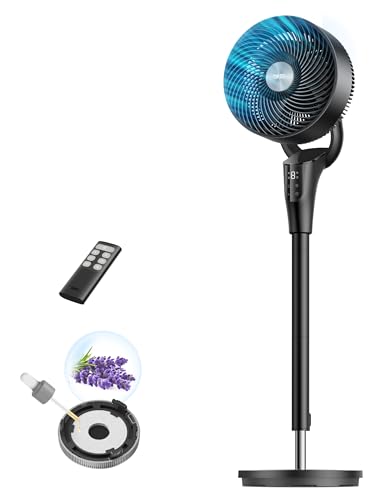
Cooling Fan for a Room: The Complete Guide
Understand how room fans move air, compare tower, pedestal, box, and ceiling fan designs, and choose the right airflow solution for bedrooms, living rooms, and home offices.
EXPLORE FAN TYPESWhy a Fan Still Belongs in a Modern Room: Even with air conditioning in place, a well-chosen cooling fan for a room improves air circulation, reduces stuffiness, and helps the AC distribute cool air more evenly. In mild climates or transitional seasons, a fan alone can keep a room comfortable while using far less energy than a compressor-driven system.
What a Cooling Fan Actually Does for a Room
A cooling fan for a room does not chill the air the way a refrigerant-based air conditioner does. Instead, it moves air across your skin, accelerating evaporation and creating a wind-chill effect that makes a room feel several degrees cooler than the thermostat reading. This is why fan placement, blade design, and airflow volume matter more than raw motor power.
Fans are also valuable partners for a bedroom air conditioner or a central air conditioning system, because they break up stratified air, push cool air into corners, and reduce the perception of humidity. In a home office or basement, a fan can prevent stale pockets of air from forming, complementing a dedicated basement ventilation system when moisture control is a concern.
Types of Cooling Fans for a Room
Each fan category solves a different problem. Use the breakdown below to match the design to your room layout, ceiling height, and noise tolerance.
Tower Fan
Slim, vertical design that fits tight corners and narrow floor space. Oscillating models sweep air across a wide arc, making them a strong pick for modern apartments and bedrooms where floor area is limited.
Mid-rangePedestal Fan
Adjustable stand fan with a large blade diameter and tall reach. Delivers strong, wide-area airflow and is ideal for living rooms, open-plan spaces, and rooms with high furniture that blocks low airflow.
Balanced tierBox Fan
Square, high-velocity fan built for maximum air movement. Best used in a window to exhaust hot air or pull in cooler evening air; it is a workhorse for quick air exchange rather than subtle comfort.
Essential tierCeiling Fan
Permanent overhead installation that circulates air across the entire room. Reversible blades help in both summer and winter, and a well-sized ceiling fan can reduce reliance on AC during mild weather.
PremiumAir Circulator
Focused, high-velocity fan with a directional grill. Designed to push air long distances, it works well to distribute cooled air from an AC or to stir up stagnant air in larger rooms.
High-end tierWindow Fan
Dual-blade unit that mounts in a window frame to intake or exhaust air. Effective for whole-room ventilation and for pulling cool night air into a warm room without opening the house to insects.
Mid-tierFan Type Comparison at a Glance
| Fan Type | Best For | Airflow Style | Tier |
|---|---|---|---|
| Tower Fan | Small bedrooms, apartments, offices | Wide oscillating stream | Mid-range |
| Pedestal Fan | Living rooms, open spaces | Strong wide-area coverage | Balanced tier |
| Box Fan | Window exhaust, quick air exchange | High-velocity focused blast | Essential tier |
| Ceiling Fan | Whole-room circulation, permanent setup | Overhead gentle circulation | Premium |
| Air Circulator | Large rooms, AC air distribution | Long-throw directional stream | High-end tier |
| Window Fan | Ventilation, night cooling | Intake and exhaust exchange | Mid-tier |
How to Size a Cooling Fan for Your Room
Fan sizing is about matching blade diameter and airflow rating to the volume of the room, not just the square footage. A fan that is too small will feel weak, while an oversized high-velocity unit can be unnecessarily loud in a small bedroom.
- Small bedrooms and home offices (up to 120 sq ft): A 12 to 16 inch tower or pedestal fan usually provides enough circulation without dominating the space.
- Medium bedrooms and studies (120 to 250 sq ft): A 16 to 18 inch pedestal fan or a multi-speed air circulator offers a better balance of reach and quiet operation.
- Living rooms and open-plan areas (250 to 500 sq ft): An 18 to 20 inch pedestal fan, a high-velocity air circulator, or a well-sized ceiling fan is appropriate.
- Large or multi-zone spaces (over 500 sq ft): Combine a ceiling fan with a directional air circulator, or use a window fan to support cross-ventilation.
If you are also evaluating a compressor-based solution for the same room, the sizing logic in our air conditioner sizing guide pairs well with fan placement planning. For rooms that combine heating and cooling needs, a combination heating and air conditioning unit plus a ceiling fan can cover both seasons efficiently.
Placement and Airflow Strategies That Work
Where you put the fan matters as much as which fan you choose. These placement principles apply to nearly every room type:
- Cross-ventilation: Place an intake fan on the shaded side of the room and an exhaust fan on the warmer side to create a continuous airflow path.
- Bounce off walls: Aiming a circulator at a wall or ceiling spreads air more evenly than pointing it directly at seating, reducing drafts and hot spots.
- Pair with AC vents: Position a fan so its stream passes near the AC supply vent, helping push cooled air deeper into the room.
- Night flushing: Use a window fan to pull cooler evening air inside, then switch to a ceiling fan for gentle overnight circulation.
- Avoid dead corners: In L-shaped or furnished rooms, use an oscillating pedestal fan or a second small circulator to reach corners blocked by furniture.
Features Worth Prioritizing
Beyond type and size, a few features separate a satisfying room fan from a frustrating one:
- Speed control: At least three speeds, ideally with a silent low setting for bedrooms and nighttime use.
- Oscillation: A wide sweep reduces direct drafts and covers more of the room.
- Noise level: Check decibel ratings where available; bedrooms and home offices benefit from models engineered for quiet operation.
- Adjustable height and tilt: Useful for pedestal and desk fans to direct airflow precisely.
- Remote or smart control: Convenient for ceiling fans and large-room circulators, especially when mounted high.
- Build quality: Durable construction, stable bases, and reinforced grills matter for safety and longevity, particularly in households with children or pets.
For rooms where humidity and air quality are concerns, a fan works best alongside proper ventilation. Our guide to ceiling air ventilation explains how to combine overhead airflow with exhaust paths for a fresher room.
Fan vs Air Conditioner: When to Use Each
A cooling fan and an air conditioner serve different purposes, and the smartest setups use both:
| Scenario | Best Choice | Why |
|---|---|---|
| Mild weather, comfortable humidity | Fan only | Wind-chill effect is enough; far lower energy draw |
| Hot, humid summer days | AC plus fan | AC dehumidifies; fan distributes cooled air evenly |
| Stuffy room with no window AC | Window or box fan | Exhausts hot air and pulls in fresh outside air |
| Large living area with central AC | Ceiling fan plus circulator | Breaks up stratification and reaches far corners |
| Bedroom at night | Quiet tower or ceiling fan | Gentle airflow supports sleep without compressor noise |
If you are comparing full HVAC options for a room, our overview of central heating and cooling and the AC buying guide can help you weigh a fan-only approach against a compressor-based system.
Keeping Your Room Fan Performing Well
Fans are low-maintenance, but a little care extends their life and keeps airflow strong:
- Dust blades and grills every few weeks; buildup reduces airflow and can cause imbalance.
- Check and tighten blade screws periodically to prevent wobble and noise.
- Vacuum motor vents on tower and box fans to avoid overheating.
- For ceiling fans, verify the mounting bracket and balance the blades if you notice sway.
- Store seasonal fans in a dry area to prevent corrosion of motor components.
Homes that also run ducted cooling benefit from parallel upkeep. Our guides on cleaning the air conditioner filter and cleaning air conditioner coils cover the AC side of a combined fan-plus-cooling routine.
Frequently Asked Questions
What is the best type of cooling fan for a room?
The best type depends on your space and needs. Tower fans suit compact modern rooms, pedestal fans deliver wide-area airflow for living rooms, box fans excel for window exhaust and quick air exchange, and ceiling fans provide whole-room circulation with a permanent installation.
How do I size a cooling fan for my room?
Match fan blade diameter and airflow rating to room volume. Small bedrooms typically pair well with 12 to 16 inch pedestal or tower fans, while larger living areas benefit from 18 to 20 inch high-velocity fans or multi-speed air circulators.
Can a cooling fan replace an air conditioner?
A fan does not lower room temperature the way an air conditioner does; it moves air to create a wind-chill effect and improve comfort. Fans are best used to complement AC, exhaust hot air, or provide standalone comfort in mild climates.
Should I run a fan while the AC is on?
Yes. A fan helps distribute cooled air more evenly and can let you raise the thermostat slightly while maintaining comfort. Use a ceiling fan or air circulator rather than a box fan blowing directly at the thermostat.
Are ceiling fans or floor fans better for bedrooms?
Ceiling fans provide gentle, draft-free circulation and free up floor space, making them excellent for bedrooms. Quiet tower fans are a good alternative for renters or rooms without ceiling wiring.