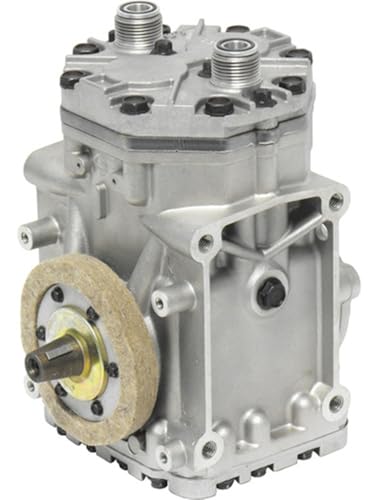
New Compressor for an Air Conditioner: What to Expect
Understand the warning signs of compressor failure, the types of compressors available, how long a new one lasts, and how to decide whether replacement is the right move for your system.
What an AC Compressor Does and Why It Matters
The compressor is widely considered the heart of an air conditioning system. It pressurizes refrigerant and pushes it through the condenser and evaporator coils, enabling the heat exchange that cools your home. When the compressor fails, the entire system stops delivering cold air, even if the fans, thermostat, and electrical controls are still functioning.
Because the compressor is the most mechanically stressed component in the system, it is also one of the most significant parts to replace. Understanding how it fits into the broader system helps you make a smarter decision when a technician recommends a new compressor for your air conditioner. You can read more about how this component works in our guide on the compressor for an AC unit.
If you want a broader view of how the compressor fits into the entire cooling loop, our overview of components of a central air conditioning system explains how the compressor, condenser, and evaporator interact.
Signs Your AC Compressor Is Failing
Compressor failure rarely happens without warning. Most homeowners notice a combination of symptoms before the system stops cooling entirely. Recognizing these signs early can help you avoid a full system breakdown during peak summer heat.
- Warm air from the vents: The system runs but does not cool. The blower works, yet the air is room temperature or warmer.
- Loud or unusual noises: Grinding, clanking, or humming sounds from the outdoor unit often point to internal mechanical wear.
- Frequent breaker trips: A failing compressor can draw excessive current and trip the circuit breaker repeatedly.
- Short cycling: The system starts and stops rapidly without completing a full cooling cycle.
- Refrigerant leaks: Repeated refrigerant loss can indicate compressor seal failure or internal damage.
- Compressor won't start: Clicking sounds without the compressor engaging may signal a failed capacitor or a seized compressor.
Not every no-cooling symptom means the compressor is dead. A failed capacitor, a tripped contactor, or a refrigerant leak can mimic compressor failure. A qualified technician should confirm the diagnosis before you authorize a replacement. Our article on a compressor on an air conditioner not working walks through the diagnostic steps in more detail.
Diagnostic tip: Before replacing a compressor, ask your technician to verify the capacitor, contactor, and refrigerant charge. A surprisingly large share of "dead compressor" calls turn out to be a failed start capacitor or a low refrigerant charge.
Types of AC Compressors
Compressors come in several designs, each with its own strengths, efficiency profile, and typical application. The type installed in your system affects both performance and longevity.
| Compressor Type | Best For | Key Characteristics |
|---|---|---|
| Reciprocating | Entry-level and mid-range residential systems | Proven piston design, durable, widely available, moderate efficiency |
| Scroll | Mid-range to premium residential and light commercial | Smooth operation, fewer moving parts, strong efficiency, quieter than reciprocating |
| Rotary | Compact systems, mini-splits, window units | Compact, lightweight, efficient in small capacities, common in ductless systems |
| Screw | Commercial-grade and large-capacity systems | Continuous heavy-duty operation, high reliability under sustained load |
| Inverter-driven (variable speed) | High-end tier and premium efficiency systems | Modulates speed to match load, quieter, more efficient in the long run |
For a deeper comparison of compressor designs and how they affect system performance, see our reference page on compressor HVAC technology.
Quality Tiers at a Glance
Rather than focusing on figures, it helps to understand where a replacement compressor sits in the market. The descriptors below reflect relative positioning and build quality, not absolute figures.
Entry-Level Tier
Standard reciprocating compressors with proven designs. A solid choice for older systems where the goal is reliable basic cooling without upgrading the rest of the equipment.
Mid-Range Tier
Scroll compressors and improved reciprocating designs. Quieter operation, better efficiency, and a good balance of durability and performance for most homes.
High-End Tier
Premium scroll and inverter-driven compressors. Smoother modulation, lower noise, and efficient operation in the long run. Typically paired with higher-SEER systems.
Commercial-Grade
Heavy-duty screw and large scroll compressors built for continuous operation in commercial settings, with reinforced construction and extended service intervals.
How Long a New Compressor Lasts
A new compressor is a long-term investment when the rest of the system is healthy. In well-maintained residential systems, a quality compressor commonly lasts between 10 and 15 years, and premium units in properly sized systems can exceed that range.
Several factors influence how long a replacement compressor will serve you:
- Correct sizing: An oversized or undersized system stresses the compressor through short cycling or continuous overwork.
- Refrigerant charge: Undercharge or overcharge accelerates wear and can cause overheating or flooding of the compressor.
- Airflow: Restricted airflow from dirty filters or blocked coils forces the compressor to work harder and run hotter.
- Electrical supply: Voltage fluctuations and failing capacitors shorten compressor life significantly.
- Maintenance frequency: Regular coil cleaning and professional tune-ups are the single most reliable way to extend compressor life.
If your existing system is already near the end of its expected service life, replacing only the compressor may not be the most efficient path. Our guide to compressor replacement HVAC decisions outlines how technicians weigh repair versus replacement.
Compressor Replacement vs a New System
This is the central question most homeowners face when a compressor fails. There is no universal answer, but the decision usually comes down to system age, overall condition, and efficiency goals.
When compressor replacement makes sense
- The system is relatively young and otherwise in good condition.
- The compressor is the only failed component.
- The existing system already meets your comfort and efficiency expectations.
- The evaporator and condenser coils are clean and in good shape.
When a new system is the better investment
- The system is approaching or past its expected service life.
- Multiple components are failing or showing wear.
- The system uses an older refrigerant that is being phased down.
- You want improved efficiency and lower long-term operating impact.
- The existing ductwork or air handler needs significant work.
A new compressor restores cooling, but it does not improve the efficiency of the rest of the system. If your goal is a meaningful efficiency upgrade, a full system replacement is usually the more sensible long-term investment. For a broader comparison of system-level choices, our page on replacing a central air conditioning unit covers the decision framework in depth.
The Replacement Process: What to Expect
Understanding the steps involved helps you ask the right questions and set realistic expectations. A professional compressor replacement typically follows this sequence:
- Diagnosis and confirmation: The technician verifies that the compressor is the failed component and rules out capacitors, contactors, and refrigerant issues.
- Refrigerant recovery: Existing refrigerant is recovered per EPA regulations before any lines are opened.
- Electrical disconnect and removal: The compressor is disconnected from power and removed from the outdoor unit.
- Installation of the new compressor: The replacement is set in place, and lines are brazed or reconnected according to manufacturer specifications.
- Leak test and vacuum: The system is pressure-tested and evacuated to remove moisture and air.
- Refrigerant charge: The system is charged to the manufacturer-specified weight or superheat/subcool target.
- Startup and verification: The technician verifies amperage draw, pressures, and temperature differential before signing off.
Depending on the system and access, the job can take several hours to a full day. Because refrigerant handling and brazing require specialized tools and certification, this is not a task for DIY replacement. You can learn more about the broader service landscape in our guide to an AC compressor for a home.
Warranty note: Most compressor warranties require installation by a licensed technician and may be voided by improper procedures. Keep all documentation, including the new compressor model number and the technician's invoice, for future claims.
Preventing Premature Compressor Failure
Once a new compressor is installed, protecting your investment becomes the priority. The habits below significantly reduce the risk of early failure:
- Replace air filters on schedule to maintain proper airflow.
- Schedule professional tune-ups before each cooling season.
- Keep the outdoor condenser unit clear of debris, leaves, and obstructions.
- Clean condenser coils regularly to maintain heat transfer efficiency.
- Address refrigerant leaks promptly rather than simply topping off the charge.
- Consider a hard-start kit or surge protection if your area experiences voltage fluctuations.
If you want to understand how to maintain the surrounding components, our guides on condenser coil cleaning and the condenser fan on an air conditioner cover the most common maintenance touchpoints.
Frequently Asked Questions
What are the most common signs of a failing AC compressor?
Common signs include warm air from the vents, loud grinding or clanking noises, frequent breaker trips, reduced cooling performance, and the compressor refusing to start. A technician can confirm whether the compressor itself is at fault or if a related component such as the capacitor or contactor is the real issue.
How long does a new AC compressor usually last?
With proper maintenance, a well-built compressor can last between 10 and 15 years, and some premium units last even longer. Factors that shorten lifespan include poor airflow, refrigerant undercharge, short cycling, and infrequent coil cleaning.
Should I replace the compressor or the entire AC unit?
If your system is relatively young, in good overall condition, and the compressor is the only failed component, replacement is a reasonable path. If the system is near the end of its service life or has multiple failing components, a full system replacement is often the more sensible long-term investment.
Can I replace an AC compressor myself?
Compressor replacement involves refrigerant handling, brazing, vacuum procedures, and electrical work. In most jurisdictions it is a regulated task that requires licensed technicians and EPA certification. DIY replacement is not recommended and can void warranties and create safety hazards.
Does a new compressor improve energy efficiency?
A new compressor can restore lost efficiency if the old one was failing, but it does not upgrade the efficiency rating of the system as a whole. If your goal is a meaningful efficiency improvement, a full system replacement is usually the better route.
Ready to Explore Replacement Options?
Compare compressors and compatible AC systems recommended for different tiers and home sizes.
View Recommended Products