Condenser Fan on Air Conditioner: Function, Failure Signs & Repair Guide
The condenser fan is one of the hardest-working parts of your outdoor unit. This guide explains what it does, how to spot a failing condenser fan motor, and how to troubleshoot it safely before calling a technician.
What Is the Condenser Fan on an Air Conditioner?
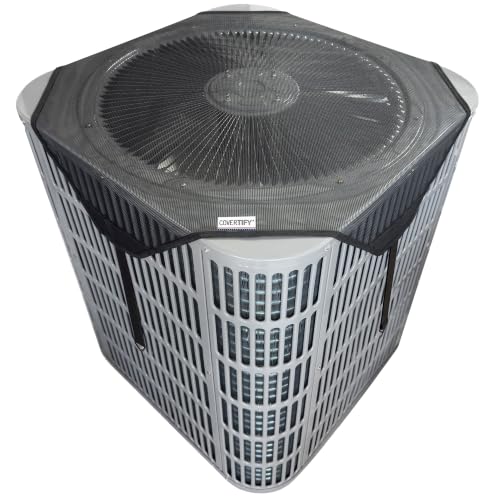
The condenser fan on an air conditioner is the large fan mounted on top of (or at the side of) the outdoor condensing unit. Its job is simple but critical: it moves outdoor air across the condenser coil so that heat absorbed from your home can be released into the atmosphere.
When people talk about the "outside fan" or the "AC fan not spinning," they are almost always referring to the condenser fan. It is a separate component from the indoor blower fan that pushes cool air through your ducts. You can learn more about how these parts fit together in our overview of the components of a central air conditioning system and the role of the condenser in an air conditioner.
Quick definition: The condenser fan is an outdoor, motor-driven fan that forces ambient air through the condenser coil, enabling the refrigerant to condense from a hot gas back into a liquid so the cooling cycle can repeat.
How the Condenser Fan Works With the Condenser Coil
An air conditioner moves heat rather than creating cold. The refrigerant absorbs heat indoors at the evaporator coil, travels to the outdoor unit as a high-pressure gas, and then must shed that heat before returning indoors. That shedding happens at the condenser coil — and the condenser fan is what makes it possible.
Here is the sequence in plain terms:
- The compressor raises refrigerant pressure and temperature.
- Hot refrigerant enters the condenser coil as a gas.
- The condenser fan pulls outdoor air across the coil fins.
- Heat transfers from the refrigerant into the air, and the refrigerant condenses into a liquid.
- The liquid refrigerant returns indoors through the expansion device and the cycle repeats.
If the fan slows down, stops, or moves too little air, heat cannot leave the coil efficiently. Discharge pressure climbs, the compressor works harder, and the system either loses cooling capacity or trips a high-pressure safety control. That is why a condenser fan problem is never something to ignore — it stresses the compressor for the AC unit, which is the most costly component to replace.
Main Components of the Condenser Fan Assembly
The fan is more than a blade spinning in the housing. Understanding the parts helps you describe the problem accurately when you call a technician or shop for replacement parts.
Fan blade
The propeller-shaped blade is pitched to move a high volume of air with low static resistance. Bent, cracked, or out-of-balance blades cause vibration and reduce airflow. A blade that has lost a set screw can slip on the shaft and spin without moving air.
Fan motor
The motor is typically a permanent split capacitor (PSC) motor or, on newer high-efficiency units, an electronically commutated motor (ECM). The motor has sealed bearings and is exposed to rain, dust, and heat year-round. Bearing wear and winding failure are common over time. Our page on condenser motor replacement covers what a swap involves.
Run capacitor
The capacitor gives the motor the phase shift it needs to start and run smoothly. A weak or bulging capacitor is one of the most frequent reasons a condenser fan hums but does not spin. Capacitors are inexpensive to test and replace, which makes them the first suspect in a no-spin diagnosis.
Mounting bracket and grille
The motor mounts to a bracket or the unit's top grille. Loose hardware produces rattling and can let the blade contact the housing. Corroded brackets on older coastal units may need replacement along with the motor.
Wiring and contactor
The fan receives power through the contactor and wiring harness. A pitted contactor, loose spade terminal, or chewed wire can interrupt power to the fan while leaving the compressor running — a classic symptom of a fan-specific electrical fault.
Signs of a Failing Condenser Fan
Most condenser fan problems announce themselves before a total breakdown. Watch for these symptoms:
- The outdoor fan does not spin while the compressor hums or runs.
- The fan spins slowly or starts only after you push the blade by hand.
- Weak cooling indoors combined with a very hot outdoor unit.
- Rattling, grinding, or squealing from the outdoor unit — often bearing noise.
- The unit trips the breaker or shuts down after a short run time.
- Ice on the indoor coil or refrigerant lines, caused by poor heat rejection.
- The fan keeps running after the thermostat is satisfied (stuck contactor).
- Visible blade damage, wobble, or contact marks inside the housing.
Safety first: The outdoor unit contains line-voltage wiring and refrigerant under pressure. Turn off the thermostat and the outdoor disconnect or breaker before touching the fan blade, motor, or capacitor. If you are not comfortable working around electrical components, stop and call a licensed technician.
Common Causes of Condenser Fan Failure
When the outdoor fan stops working, the cause usually falls into one of these categories:
1. Failed run capacitor
The most common single cause. A capacitor that has drifted out of tolerance cannot start the motor. Testing with a multimeter takes minutes and confirms whether replacement is needed.
2. Seized or worn motor bearings
If the blade is stiff when turned by hand, the bearings are dry or seized. Motors in dusty environments or coastal salt air degrade faster. In this case the motor usually needs replacement rather than repair.
3. Open motor winding
A motor winding can burn open from overheating, voltage spikes, or a failing capacitor that forced the motor to draw high current. A multimeter resistance test across the motor leads will show an open circuit.
4. Tripped breaker or blown fuse
Sometimes the fan is fine and the problem is upstream. Check the outdoor disconnect and the main panel before assuming a motor failure.
5. Bad contactor or relay
Pitted contactor points can fail to close the fan circuit even when the compressor circuit energizes. A technician can test voltage at the fan terminals to isolate this.
6. Obstructed or damaged blade
Debris, nests, or a bent blade can stall the motor. Never run the unit with a damaged blade — vibration can destroy the motor and damage the coil.
7. Wiring fault
Loose spade connectors, rodent damage, or corrosion at the wire nuts interrupt power. Visual inspection of the wiring harness often reveals the issue.
If the fan issue is accompanied by compressor symptoms, read our guide on a compressor on an air conditioner not working to rule out a larger failure.
Step-by-Step Troubleshooting
This sequence moves from the safest and simplest checks to the ones that require a multimeter. Work through it in order.
- Turn off power. Set the thermostat to off and shut off the outdoor disconnect or the breaker feeding the condensing unit. Confirm with a non-contact voltage tester before proceeding.
- Inspect the blade and housing. Look for bent blades, debris, nests, or contact marks. Spin the blade by hand — it should turn freely with slight magnetic resistance. A stiff or grinding blade points to bearing failure.
- Check the capacitor. Discharge the capacitor safely, then measure it with a multimeter set to microfarads. Compare the reading to the rating printed on the capacitor label. A reading more than about 10% below the rated value means replacement.
- Test the motor windings. Disconnect the motor leads and measure resistance between the common, run, and start terminals. An open or wildly unbalanced reading indicates a failed motor.
- Check power at the fan terminals. With the unit energized and calling for cooling, measure voltage at the fan motor leads. No voltage points to a contactor, relay, or wiring problem rather than the motor itself.
- Inspect the contactor. Look for pitting, burning, or a stuck closed position. A contactor that stays closed after the thermostat stops calling explains a fan that will not shut off.
- Verify the breaker and disconnect. Reset a tripped breaker once. If it trips again, stop — there is a short or a failing motor that needs professional diagnosis.
Field tip: If the compressor runs and the fan hums but does not spin, the capacitor is the prime suspect. If the fan is completely silent and the compressor runs, suspect the contactor, wiring, or motor winding. If neither the fan nor the compressor runs, check the breaker, thermostat, and low-voltage control circuit first.
When the diagnosis points to motor replacement, our article on condenser fan replacement explains what the job involves. If you decide to hand the work to a professional, use our guide to companies that install air conditioners to find a qualified contractor.
Repair vs. Replacement: What Makes Sense
Not every condenser fan problem requires a new motor. The decision usually comes down to which part failed and the age of the equipment.
Situations where repair is usually the right call
- A failed run capacitor on an otherwise healthy motor.
- A loose set screw or debris obstruction.
- A tripped breaker or loose wire terminal.
- A pitted contactor on a unit that is otherwise in good condition.
Situations where replacement is usually the right call
- Seized bearings or an open motor winding.
- A bent or cracked blade that has damaged the motor shaft.
- A motor that has failed twice in a short period — a sign of an underlying electrical or airflow problem.
- An aging outdoor unit where the fan failure is one of several pending issues.
If the outdoor unit is nearing the end of its service life, replacing the whole condensing unit may be more sensible than repeated repairs. Our guide on condensing units explains how the outdoor assembly is put together and when a full swap is warranted. For a broader view of the outdoor half of the system, see condensing unit HVAC.
Not sure whether to repair or replace?
Compare the symptoms you are seeing with the failure patterns in this guide, then get a professional diagnosis before committing to either path.
Explore Repair OptionsCondenser Fan Motor Tier Comparison
Replacement fan motors are not all created equal. The table below uses market-tier descriptors rather than figures, so it stays useful regardless of when you read it. Match the tier to the age and efficiency class of your outdoor unit.
| Motor Tier | Best For | Key Characteristics | Durability Notes |
|---|---|---|---|
| Entry-level | Older standard-efficiency outdoor units | PSC motor, basic sealed bearings, standard mounting footprint | Adequate for mild climates; shorter service interval in dusty or coastal air |
| Mid-range | Most residential split systems in active use | Improved bearing seals, balanced blade, corrosion-resistant housing | Solid choice for the tier; handles seasonal cycling well |
| Premium | High-efficiency systems and harsh environments | ECM or variable-speed motor, sealed electronics, weather-resistant coating | Long-term investment; quieter and more efficient in the long run |
Entry-level motors are a reasonable fit when the outdoor unit itself is nearing replacement. Mid-range motors are the balanced tier for most homeowners keeping a working system in service. Premium motors make the most sense on high-efficiency equipment where a variable-speed fan is part of the original design — installing a basic motor on such a system can reduce efficiency and cause control faults.
Maintenance Tips to Extend Fan Life
Most condenser fan failures are preventable with a little seasonal attention. These habits add years to the motor and protect the compressor:
- Clear the area around the outdoor unit. Keep at least two feet of clearance on all sides so the fan can pull unrestricted air.
- Rinse the coil gently each season. A clogged coil forces the fan to work against higher pressure. Follow our guide to condenser coil cleaning and learn how to inspect condenser coils on an AC unit.
- Straighten bent coil fins with a fin comb to preserve airflow.
- Check the capacitor during annual service. A capacitor on the way out is easy to replace before it strands the motor.
- Listen for new noises. Early bearing squeal is a warning, not a background sound.
- Trim vegetation so leaves and seed pods do not collect inside the fan grille.
- After storms, inspect for debris lodged in the blade and housing.
If you are also noticing water around the indoor unit, that is a separate issue — see our explanation of condensation inside an AC unit and condensation from an AC vent to rule out drain problems before they compound.
Frequently Asked Questions
What does the condenser fan do on an air conditioner?
The condenser fan pulls outdoor air through the condenser coil to release heat absorbed from your home. Without it, the refrigerant cannot condense back into a liquid, and the system loses cooling capacity or shuts down on high-pressure protection.
Why is the outside condenser fan not spinning?
Common causes include a failed run capacitor, a seized fan motor bearing, a tripped breaker, a bad contactor, or a faulty motor winding. Capacitor failure is the most frequent reason a condenser fan stops spinning while the compressor still runs.
Can you run an AC without the condenser fan?
No. Running the unit without condenser airflow causes rapid pressure rise, compressor overheating, and possible permanent compressor damage. Turn the system off at the thermostat and breaker until the fan is repaired.
How do you test a condenser fan motor?
With power disconnected, check the capacitor with a multimeter set to microfarads, spin the blade by hand to feel for bearing drag, and measure motor winding resistance. A motor that hums but does not spin usually points to a failed capacitor or seized bearing.
Should the condenser fan run when the AC is off?
No. The condenser fan should stop when the compressor stops. If it keeps running after the thermostat is satisfied, suspect a stuck contactor, welded relay, or a wiring fault and call a technician.
How long does a condenser fan motor last?
Service life depends on climate, dust, and electrical conditions. Many motors run for a decade or more in clean, temperate environments, while motors in dusty or coastal locations may need replacement sooner. Annual capacitor checks and coil cleaning are the best ways to extend motor life.
Can a bad condenser fan cause the AC to freeze up?
Indirectly, yes. Poor condenser airflow raises system pressure and reduces cooling performance, and low refrigerant flow across the indoor coil can lead to ice formation. If you see ice indoors, check the condenser fan and airflow before assuming a refrigerant leak.
Final Thoughts
The condenser fan on an air conditioner is a small part with an oversized job. When it works, you never think about it. When it fails, the entire cooling cycle stalls and the compressor starts taking damage. Recognizing the early signs — weak airflow, unusual noise, a fan that spins only when nudged — lets you act before a straightforward capacitor or motor replacement becomes a compressor repair.
Use this guide to diagnose the symptom, decide whether repair or replacement fits your situation, and maintain the outdoor unit so the fan keeps moving air season after season.