Air Conditioning Unit & Installation: What to Expect and Plan For
Understand equipment tiers, labor factors, permits, and hidden fees so you can confidently plan your AC project — and buy the right system for your home.
START PLANNINGWhy This Guide Matters: Installing a new AC unit is a significant home investment. Whether you are replacing an old system or adding cooling for the first time, understanding the full scope — equipment, labor, permits, and optional upgrades — helps you avoid surprises and make a decision that fits your long-term needs.
Understanding the Full Picture Before You Buy
Before comparing specific models, it helps to understand the two major components of any AC project: the equipment itself and the installation labor. The equipment tier you choose — entry-level, mid-range, or premium — affects both the initial outlay and long-term energy use. The installation scope depends heavily on your home's existing infrastructure, such as whether ductwork is present, the electrical panel's capacity, and the distance between indoor and outdoor units.
Homeowners often focus only on the equipment, but labor and site preparation can represent a substantial portion of the overall project. A straightforward window AC swap is far less involved than a central system with new ductwork. Understanding where your project falls on this spectrum is the first step toward accurate planning.
AC Equipment Tiers: A Relative Comparison
AC units can be grouped into three broad market tiers. These tiers are not tied to specific figures or currencies; they reflect relative positioning in terms of features, efficiency, and build quality. Use this framework to align your expectations with your needs.
| Tier | Typical Characteristics | Best For |
|---|---|---|
| Entry-Level | Basic features, single-stage compressor, standard efficiency ratings, straightforward installation. | Renters, seasonal rooms, short-term needs, or homeowners seeking a practical cooling solution. |
| Mid-Range | Two-stage or variable-speed compressors, improved SEER2 ratings, quieter operation, smart thermostat compatibility. | Most homeowners replacing an existing system who want a balance of comfort and efficiency. |
| Premium / High-End | Top-tier SEER2 ratings, variable-speed inverter technology, advanced filtration, zone control readiness, premium materials. | Long-term homeowners, whole-home comfort seekers, and those planning to stay in their property for many years. |
A mid-range unit often provides the most balanced ownership experience for typical households, offering noticeably smoother operation and better efficiency than entry-level models without the full outlay of premium systems. For those planning to remain in their home for a decade or more, a high-end tier system is generally the most worthwhile long-term investment due to lower energy consumption and reduced repair frequency.
Labor and Installation Factors That Affect Your Project
Installation complexity varies widely by AC type and home layout. The following factors are the most common contributors to labor scope:
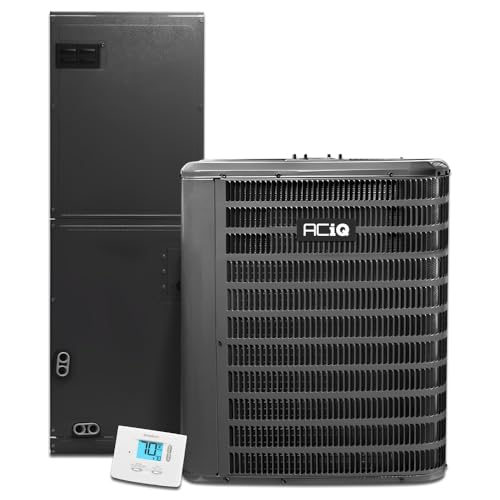
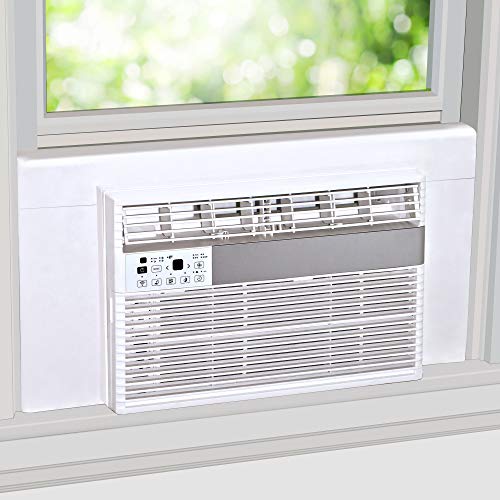
- System type: Window and portable units are the simplest to install. Ductless mini-splits require refrigerant line routing and electrical work. Central systems involve ductwork, plenums, and thermostat wiring.
- Ductwork: If your home already has ductwork in good condition, a central AC replacement is more straightforward. New ductwork or extensive duct sealing adds significant scope. Learn about the components of a central air conditioning system to understand what is involved.
- Electrical upgrades: Older homes may need a dedicated circuit or panel upgrade. Check our guide on checking your home electrical panel before finalizing plans.
- Line set length: For mini-splits and central systems, the distance between indoor and outdoor units affects the length of refrigerant lines. Longer runs mean more materials and labor. See refrigerant line set length guidance.
- Permits and inspections: Most municipalities require a permit for new HVAC installations. Permit fees and inspection scheduling add to the timeline. Review how to get an AC permit in your area.
- Old equipment disposal: Removing and disposing of the old unit is often a separate line item. Ask your contractor whether disposal is included.
Common Add-Ons and Hidden Fees to Ask About
A transparent quote should break down all expected charges. The following items frequently appear as separate line items or optional add-ons:
- Permit fees: Vary by jurisdiction and are sometimes passed through directly.
- Electrical panel upgrade: If your current panel cannot support the new AC's amperage draw, an electrician may be needed. See amps and breaker size for AC units.
- Duct sealing or repair: Leaky ducts waste energy. Sealing may be recommended or required for optimal performance. Learn how to seal air ducts.
- Condensate pump: Needed when gravity drainage is not possible. See condensate pump information.
- Line set covers and mounting hardware: Often included, but confirm.
- Thermostat: Some installs include a basic thermostat; smart or programmable models may be an upgrade. See programmable thermostat guidance.
- Old unit removal and haul-away: Confirm whether this is included or billed separately.
Pre-Installation Planning Checklist
- Determine the correct cooling capacity for your space (BTU / tonnage). Use our AC sizing guide.
- Decide on the AC type that suits your home (central, mini-split, window, portable). Explore AC types.
- Check your electrical panel capacity and plan for any upgrades.
- Inspect existing ductwork (if applicable) for leaks, insulation, and sizing.
- Obtain at least three itemized quotes from licensed HVAC contractors. See how to choose an HVAC contractor.
- Confirm permit requirements with your local building department.
- Ask about warranty terms for both equipment and labor. See AC warranty explained.
- Plan for old equipment removal and disposal.
Repair or Replace? A Decision Framework
If you already have an AC unit, you may be weighing a repair against a full replacement. Consider the following:
- Age of the unit: Units older than 10–15 years are typically less efficient and more prone to major component failures.
- Frequency of repairs: Multiple repairs within a few seasons suggest declining reliability.
- Major component failure: Compressor or condenser failures can be significant. See compressor replacement considerations.
- Energy use trend: Rising energy bills often indicate declining efficiency. A new high-efficiency unit can reduce long-term energy consumption.
- Refrigerant type: Older refrigerants may face phasedowns. See R410A phase out information.
If your system is aging and you plan to stay in your home, replacing it with a mid-range or premium tier unit is often the more sensible long-term decision. If the unit is relatively new and the repair is minor, repair remains a practical choice.
Explore Related Guides
To deepen your understanding of specific installation scenarios and system types, the following guides may be helpful:
- Companies that install air conditioners — what to look for in a contractor.
- Companies that install ductless air conditioners — specialty installers for mini-splits.
- Mini-split air conditioning system planning — equipment and installation scope.
- Central air conditioning system planning — whole-home installation factors.
- Common AC installation mistakes — avoid pitfalls during your project.
- How to test a new AC installation — post-install verification steps.
Frequently Asked Questions
What factors influence the overall investment for a new AC unit and its installation?
The main factors include the AC type (central, mini-split, window, portable), the required cooling capacity (BTU/tonnage) for your space, the efficiency tier (SEER2 rating), the complexity of the installation (ductwork, electrical upgrades, line set runs), local labor rates, and permit requirements. Entry-level window units are the simplest, while central systems with new ductwork are the most involved.
How does the efficiency tier of an AC unit affect long-term expenses?
Higher-tier, high-SEER2 units typically have a higher upfront equipment position but consume less electricity over their lifespan. For homeowners planning to stay long-term, a premium or high-end tier unit often proves to be a worthwhile investment through lower monthly energy use. Entry-level units are suitable for renters or short-term needs.
Are there hidden fees I should anticipate during AC installation?
Common additional items include permit fees, electrical panel upgrades, new ductwork or duct sealing, refrigerant line set extensions, condensate pump installation, and disposal of old equipment. Always ask for a detailed, itemized quote from your HVAC contractor to avoid surprises.
Should I repair or replace my existing AC unit?
The decision depends on the age of the unit, the frequency of repairs, and the efficiency of the existing system. If your unit is over 10-15 years old, requires a major component replacement (like a compressor), or your energy bills are climbing, investing in a new high-efficiency system is often the more sensible long-term choice.