Central Air Conditioning System: The Complete Investment Guide
Everything a research-stage buyer needs to know about central AC tiers, components, sizing, efficiency ratings, and installation scope before making a confident decision.
EXPLORE SYSTEM TIERSWho this guide is for: You already know you want central air conditioning, but you are comparing system tiers, efficiency levels, and installation scope. This guide is structured to answer the questions that come up during the final research stage, so you can move forward with clarity.
A central air conditioning system is the backbone of whole-home comfort in most US climates. Unlike a window unit or a portable cooler, a central system distributes cooled air through a network of ducts, conditioning every room connected to the ductwork. That whole-home capability is what makes the central AC decision a significant one: it involves equipment selection, ductwork assessment, electrical capacity, and professional installation working together.
This guide avoids quoting specific figures because market conditions shift. Instead, it explains the investment tiers you will encounter, the factors that move a project between tiers, and the trade-offs that matter most over the life of the system. By the end, you will understand how to evaluate a central system proposal with confidence.
What Makes Up a Central Air Conditioning System
Before comparing tiers, it helps to know what you are actually evaluating. A central system is not a single box; it is an assembly of matched components. Understanding each part clarifies why two proposals for the same home can differ so much in scope.
The Core Components
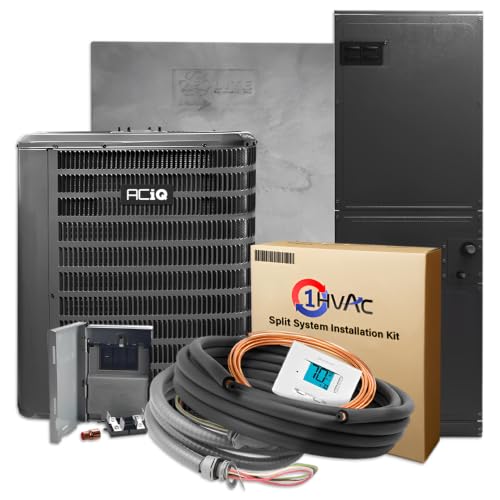
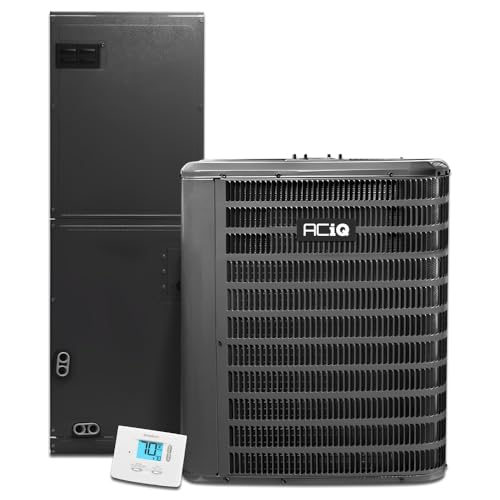
- Condensing unit (outdoor): Contains the compressor and the outdoor condenser coil. The compressor is the heart of the system, and its technology, single-stage, two-stage, or variable-speed, is the biggest driver of comfort and efficiency differences between tiers.
- Evaporator coil (indoor): Absorbs heat from your home's air. Coil quality and matching with the outdoor unit affect performance more than most buyers realize.
- Air handler or furnace blower: Moves conditioned air through the ducts. In many US homes, the air handler is shared with the heating system.
- Ductwork: The distribution network. Duct condition, insulation, and sealing can silently undermine even a premium-tier system. Learn more in our components of a central air conditioning system breakdown.
- Thermostat and controls: From basic programmable models to smart thermostats with zoning support.
- Condensate management: A drain line or condensate pump removes moisture collected during cooling.
When you compare proposals, check whether each one includes a Manual J load calculation, duct inspection, and a line-set assessment. A proposal that skips these steps is not comparable to one that includes them.
Central AC System Tiers: Entry-Level, Mid-Range, and Premium
Central systems are best understood through a three-tier framework. This framework is relative, meaning a premium unit from one manufacturer may sit near the mid-range of another, but the framework holds across the market. It describes capability and construction, not a specific figure.
Entry-Level Tier
Single-stage compressor, standard SEER2 rating, basic controls. Reliable cooling with simpler construction. A solid choice for mild climates or homes where the system runs seasonally. Noise levels and humidity control are adequate but not refined.
Mid-Range Tier
Two-stage compressor or entry-level variable-speed, higher SEER2, quieter operation, improved humidity management. Feature-rich for its class and a balanced option for most US homes. Competitive within its class on long-term efficiency.
Premium Tier
Fully variable-speed inverter compressor, top-tier SEER2, advanced smart controls, premium materials and sound insulation. Delivers the most consistent temperatures and lowest energy use in the long run. Best suited to larger homes and demanding climates.
Within each tier, you will also see sub-choices: brand positioning, warranty length, and whether the air handler is matched to the outdoor unit as a factory-approved system. Matched systems are generally more efficient than mixed assemblies.
Factors That Determine Which Tier Fits Your Home
Two homes of the same square footage can justify different tiers. The deciding factors are the ones below. Use them as a checklist when reviewing proposals.
1. Climate and Cooling Load
Homes in hot, humid climates benefit most from variable-speed and two-stage systems because they run longer at lower capacity, removing humidity more effectively. In mild climates, an entry-level single-stage unit can be a reasonable fit. Related reading: how to size an air conditioner correctly.
2. Home Size and Layout
Larger homes and multi-story layouts place more demand on distribution. If your home has distinct zones, a system that supports zoning or a variable-speed unit with better part-load performance is a stronger match. Our guides on AC for a 2,500 sq ft house and AC for a 3,000 square foot house walk through sizing logic for larger floor plans.
3. Ductwork Condition
If existing ducts are leaky, undersized, or poorly insulated, duct remediation may be a larger share of the project than the equipment itself. A premium condensing unit connected to compromised ducts will underperform. Duct sealing and insulation decisions belong in the same conversation as equipment selection.
4. Electrical Service
Central systems typically require a dedicated 240V circuit. Older homes may need panel upgrades or a new disconnect. This is a scope item, not an equipment tier, but it affects project complexity and should appear in the proposal.
5. Efficiency Priorities
If long-term energy use is a priority, higher SEER2 tiers pay back over the system's life, especially in high-usage climates. If the system runs lightly, an entry-level or mid-range unit can offer good value for its tier. Our explainer on what a SEER rating means clarifies how to interpret these numbers.
Comparing Central System Tiers at a Glance
| Tier | Best For | Comfort Profile | Efficiency Position | Maintenance Consideration |
|---|---|---|---|---|
| Entry-level | Mild climates, seasonal use, straightforward duct systems | Adequate temperature control; more noticeable temperature swings | Meets current minimum standards | Simpler components, fewer electronic parts |
| Mid-range | Most US homes with average usage patterns | Steadier temperatures, better humidity removal | Above minimum; strong long-term efficiency | Moderate; annual tune-ups recommended |
| Premium | Large homes, humid climates, multi-zone layouts | Most consistent temperatures, quietest operation | Top-tier efficiency; lowest energy use in the long run | More complex controls; professional service advised |
Installation Scope: What Changes the Project
Equipment tier is only part of the picture. Installation scope is where projects diverge most. The list below shows the common scope items to expect in a central system proposal.
Replacement vs. New Installation
A like-for-like replacement reuses existing ducts, line sets, and electrical connections, so the scope is narrower. A new installation in a home without ducts is a different project entirely. If your home lacks ductwork, compare the central approach with cooling options for homes without ductwork before committing.
Ductwork Modifications
New duct runs, duct sealing, or insulation upgrades are common add-ons. In older homes, duct replacement can be a meaningful portion of the project. Our guide on HVAC duct replacement explains the scope involved.
Line Set and Refrigerant
If the line set is reused, the installer must verify it matches the new system's refrigerant type and length requirements. Newer systems using updated refrigerants may require a new line set.
Electrical and Permits
Permits and inspections are standard for central system installations. Choose a licensed contractor who handles permits as part of the job. Our guide on companies that install air conditioners covers how to vet installers.
Long-Term Ownership: Maintenance and Lifespan
A central system is a long-term investment, and maintenance is what protects it. The annual tasks below keep efficiency stable and reduce the chance of mid-season breakdowns.
- Replace or clean air filters every one to three months, depending on household dust and pet presence.
- Schedule a professional tune-up before each cooling season. A tune-up checks refrigerant charge, electrical connections, and coil condition. See our guide on HVAC tune-ups for what is typically included.
- Keep the outdoor unit clear of debris and vegetation.
- Inspect the condensate drain for clogs; a condensate pump failure can cause water damage.
- Watch for early warning signs: weak airflow, unusual noise, or condensation around vents.
Well-maintained systems typically last 15 to 20 years. Premium-tier units with inverter compressors often reach the upper end of that range because they run at partial capacity more often, reducing wear.
Common Mistakes to Avoid When Choosing a Central System
- Choosing capacity by square footage alone. Ceiling height, insulation, window area, and climate all matter. Insist on a load calculation.
- Oversizing for safety. An oversized system short-cycles, which hurts humidity control and increases wear. Our article on what happens if an AC is too big or too small explains the consequences.
- Ignoring ductwork. Leaky ducts can waste a large share of cooling energy regardless of equipment tier.
- Mixing unmatched components. A factory-matched system performs better than a mixed assembly.
- Skipping the warranty registration. Register the system promptly to preserve the full warranty term.
Frequently Asked Questions
What factors determine the investment level of a central air conditioning system?
Key factors include system capacity in tons, efficiency tier (SEER2 rating), brand positioning, ductwork requirements, home size, and regional labor conditions. Entry-level systems differ from premium tiers mainly in compressor technology, noise levels, and smart features.
How long does a central air conditioning system typically last?
A well-maintained central system typically lasts 15 to 20 years. Premium-tier units with inverter compressors and corrosion-resistant finishes often reach the upper end of that range, while entry-level systems may need earlier component service.
Is a higher SEER2 rating always the better choice?
Not always. Higher SEER2 systems use less energy in the long run, but the benefit depends on your climate, how often you run the system, and local utility rates. In mild climates, a mid-tier SEER2 unit may offer solid value for its tier.
What size central AC does a typical home need?
Sizing depends on square footage, ceiling height, insulation, window area, and climate zone. A professional Manual J load calculation is the reliable method. Oversizing causes short cycling, while undersizing leaves rooms uncomfortable.
Can I add central air conditioning to a home without existing ductwork?
Yes, but ductwork installation adds significant scope. Homes without ducts often compare central systems against ductless mini-split alternatives, which can be installed zone by zone without major structural changes.
Ready to Compare Central AC Options?
Once you understand the tiers and scope factors, the next step is comparing specific systems. Browse our curated recommendations below to find units that match your home's needs.
VIEW RECOMMENDED SYSTEMS