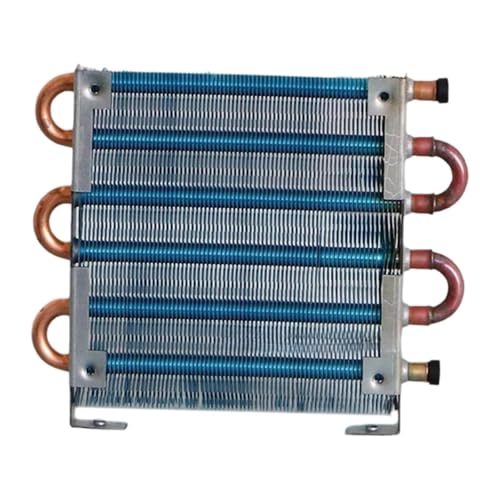
Condenser Coil: The Heart of Your AC's Heat Rejection
Everything you need to know about condenser coils — how they work, why they matter for efficiency, how to maintain them, and when replacement makes sense. A complete guide for informed buyers.
START LEARNINGWhy this matters: The condenser coil is one of the most important components in any air conditioning system. A clean, well-maintained coil keeps your AC running efficiently and extends its lifespan. Understanding this component helps you make smarter decisions about maintenance, repairs, and replacement — before you buy a new unit.
What Is a Condenser Coil?
The condenser coil is a network of tubes — typically made from copper or aluminum — wrapped in thin metal fins. It is located in the outdoor unit of a split-system air conditioner or heat pump. Its primary job is to release heat that was absorbed from inside your home into the outside air.
In a typical cooling cycle, refrigerant enters the condenser coil as a hot, high-pressure gas. As outdoor air is pulled across the coil by the condenser fan, the refrigerant cools and condenses into a liquid. This phase change releases heat, which is why the air blowing out of your outdoor unit feels warm.
Without a functioning condenser coil, your AC cannot reject heat, and cooling stops entirely. This is why understanding the condenser coils on AC unit is essential for any homeowner.
Where Is It Located?
The condenser coil is housed inside the outdoor condensing unit — the large metal box sitting outside your house. It surrounds the unit on multiple sides, which is why the cabinet has louvered panels to allow airflow. You can usually see the fins through these panels.
Condenser Coil vs. Evaporator Coil
While both are heat exchangers, they serve opposite roles. The condenser coil releases heat to the outdoors, while the evaporator coil (located indoors) absorbs heat from your home's air. Together, they form the refrigerant cycle that makes cooling possible. To understand the full picture, see our guide on the components of central air conditioning system.
How the Condenser Coil Works
The condenser coil operates as part of the refrigeration cycle. Here is what happens step by step:
- Compression: The compressor pressurizes refrigerant gas, raising its temperature significantly.
- Heat Rejection: The hot gas enters the condenser coil. The condenser fan pulls outside air across the coil fins, removing heat.
- Condensation: As heat is released, the refrigerant changes from gas to liquid.
- Expansion: The liquid refrigerant passes through an expansion valve, dropping in pressure and temperature before entering the indoor evaporator coil.
- Cooling: Inside, the cold refrigerant absorbs heat from your home's air, and the cycle repeats.
This continuous loop is why the condenser in an air conditioner is critical — if it cannot reject heat efficiently, the entire system struggles.
Key insight: A dirty or damaged condenser coil forces the compressor to work harder, consuming more energy and reducing cooling capacity. Regular cleaning is one of the simplest ways to keep your system efficient.
Types of Condenser Coils
Condenser coils come in different designs and materials depending on the system type and application:
| Tier | Material / Design | Best For |
|---|---|---|
| Entry-level | Standard copper tube with aluminum fins | Basic residential AC units with moderate usage |
| Mid-range | Grooved copper tubing with enhanced fin design | Most residential split systems seeking better heat transfer |
| Premium | Corrosion-resistant coated coils (e.g., gold or tin coating) | Coastal areas, humid climates, or high-pollution environments |
| Top-tier | Microchannel coils (aluminum flat tubes with fins) | High-efficiency systems, compact installations, commercial-grade applications |
Tier descriptors reflect relative market positioning and build quality, not absolute comparisons. Mid-range coils typically offer a good balance between heat transfer efficiency and durability for most homes.
Microchannel coils are increasingly found in high-efficiency units. They are lighter and use less refrigerant, but they can be more challenging to clean thoroughly. Traditional fin-and-tube coils remain the most common in residential systems.
Signs Your Condenser Coil Needs Attention
A dirty, clogged, or damaged condenser coil often shows clear warning signs. Recognizing them early can prevent compressor failure and costly repairs:
- Reduced cooling performance: Your home feels warmer than usual, and the AC runs longer without reaching the set temperature.
- Higher energy consumption: A struggling coil makes the compressor work harder, which shows up on your electricity bill.
- Outdoor unit overheating or shutting down: The system may trip a breaker or shut off due to high-pressure or high-temperature protection.
- Visible dirt or debris on the coil fins: You can often see accumulated dust, leaves, or grass clippings through the outdoor unit's louvers.
- Ice formation on indoor coils: A dirty condenser can lead to low refrigerant pressure and freezing indoors.
- Unusual noises: A failing condenser fan or restricted airflow can cause rattling or humming sounds.
If you notice several of these signs, it is time to inspect the coil and consider professional condenser coil cleaning.
How to Clean and Maintain a Condenser Coil
Regular maintenance is the single most effective way to extend the life of your condenser coil. Here is a practical approach:
DIY Maintenance Steps
- Turn off power: Always shut off the breaker to the outdoor unit before touching anything.
- Remove debris: Clear leaves, grass, and dirt from around the unit. Keep a 2-foot clearance.
- Inspect the fins: Straighten bent fins with a fin comb to improve airflow.
- Clean the coil: Use a garden hose (not a pressure washer) to gently rinse the coil from the inside out. For stubborn grime, use a coil cleaner formulated for HVAC use.
- Check the fan: Ensure the condenser fan spins freely and is free of debris.
- Schedule professional service: An annual condenser coil cleaning by a technician ensures deep cleaning and inspection for damage.
Pro tip: Clean the condenser coil at least once a year. In dusty climates or if you have pets that shed, clean it every six months. This simple habit can prevent the need for condenser coil replacement down the line.
When Replacement Becomes Necessary
While cleaning and minor repairs can extend coil life, some situations call for replacement:
- Refrigerant leaks: If the coil is corroded or punctured and cannot be reliably repaired, replacement is required. Leaks lead to poor cooling and compressor on air conditioner not working issues.
- Severe corrosion: In coastal or humid environments, coils can corrode to the point where they fail structurally.
- Irreparable damage: Physical damage from debris or improper installation may make repair impractical.
- Age and efficiency: If your system is older and the coil fails, replacing the entire outdoor condensing unit HVAC may be more sensible than replacing just the coil.
Before opting for replacement, always get a professional assessment. A technician can determine whether repair or replacement is the better path for your system. For systems that are nearing the end of their lifespan, it may be worth exploring whether a new central AC system or a condenser mini split would better serve your needs.
Repair vs. Replace: A Quick Comparison
| Scenario | Recommended Action | Rationale |
|---|---|---|
| Minor bent fins, surface dirt | Clean and straighten fins | Entry-level maintenance that restores efficiency |
| Small accessible leak | Professional repair | Mid-range repair may extend coil life significantly |
| Multiple leaks, widespread corrosion | Coil or unit replacement | High-end tier repair may exceed the system's remaining lifespan |
| System over 12–15 years old | Consider full system replacement | New high-efficiency unit may offer better long-term reliability |
Frequently Asked Questions
Ready to Compare Air Conditioners?
Now that you understand the condenser coil, explore our recommended AC units and find the right system for your home.
VIEW RECOMMENDED UNITS