Cost of New AC Unit for Mobile Home: What to Expect
Understand the real factors that determine how much a new air conditioning system costs for a manufactured home — from unit types and sizing to installation requirements and long-term efficiency.
A complete research guide for mobile home owners planning an AC replacement.
Key Takeaways
- Mobile home AC costs depend on unit type, size (BTU/tonnage), efficiency tier, and installation complexity.
- Packaged units and ductless mini-splits are the most common choices for manufactured homes.
- Proper sizing and professional installation prevent premature failure and energy waste.
- Higher-efficiency units cost more upfront but reduce long-term energy use.
- Always get multiple written quotes and verify licensing before committing.
What's in This Guide
If you own a mobile or manufactured home, you already know that HVAC decisions require a different approach than a site-built house. Space constraints, ductwork layouts, electrical panels, and structural considerations all play a role in what kind of air conditioner you can install and how much the project will ultimately require from your budget. This guide walks through every major factor so you can plan with confidence.
The good news is that modern mobile home air conditioners are more efficient and more capable than ever. Whether you are replacing an aging unit or adding cooling for the first time, understanding the landscape helps you make a decision that fits your home, your climate, and your long-term goals.
Why Mobile Home AC Is Different
Manufactured homes are built to a federal construction standard (HUD code) rather than local building codes, and their physical characteristics differ from site-built homes in ways that directly affect HVAC choices. Understanding these differences is the foundation for planning any AC project.
- Limited attic and crawl space: Many mobile homes have minimal attic clearance, which rules out certain central air configurations that rely on extensive duct runs or large air handlers placed overhead.
- Ductwork design: Mobile home ducts are often smaller, run through the floor or a shallow belly cavity, and are sized for the original furnace. Adding central AC to an existing system may require duct modifications.
- Electrical panel capacity: Older manufactured homes may have limited breaker capacity. A new AC may require an electrical upgrade, which is a significant part of the overall project.
- Structural support: Rooftop or heavy outdoor units need proper mounting and support, especially on older homes where the roof or pad may need reinforcement.
- Insulation and envelope: Mobile home insulation levels vary widely. A home with older or thinner insulation may need a larger capacity unit or benefit from envelope improvements first.
AC Unit Types for Mobile Homes
There is no single "mobile home air conditioner." Several system types work well in manufactured housing, and each has trade-offs in terms of installation complexity, efficiency, and suitability for different home layouts.
Packaged Units (Most Common)
A packaged unit combines the compressor, condenser, and evaporator in a single cabinet, typically installed outside on a pad or on the roof. For mobile homes, packaged units are popular because they connect to the existing duct system through a simple supply and return connection, and they do not require a separate indoor air handler.
This configuration is especially well-suited to manufactured homes with limited interior space. If your home already has a packaged unit (often paired with a gas furnace in an "all-in-one" cabinet), replacing it with a similar packaged model is usually the most straightforward path.
Ductless Mini-Split Systems
Mini-splits pair an outdoor compressor with one or more indoor wall-mounted air handlers. They do not require ductwork at all, which makes them an excellent option for mobile homes with damaged ducts, no existing ducts, or room-by-room cooling needs. Multi-zone mini-splits allow different rooms to be cooled independently, which can be more efficient than cooling the entire home when only part of it is occupied.
Installation involves mounting indoor heads, running refrigerant lines, and ensuring adequate electrical supply. Many newer mini-splits are inverter-driven, which means the compressor modulates its speed rather than cycling on and off — a significant efficiency advantage.
Window and Portable Units
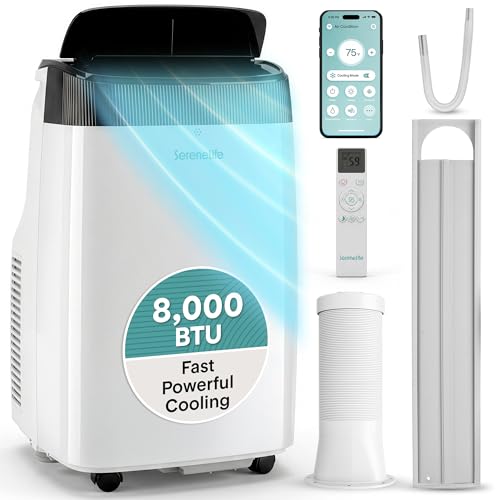
For single-room cooling or as a temporary solution, window and portable ACs remain viable. They are the simplest to install, but they are not a whole-home solution. In mobile homes where window openings are a standard size, window units can work well for a bedroom or living area. Portable units require venting through a window and are generally less efficient than other options, but they offer flexibility.
Central AC with Existing Ductwork
Some mobile homes already have ductwork from a furnace or an older central system. If the ducts are in good condition and properly sized, adding a central AC or replacing the existing unit can be the most comfortable and aesthetically seamless choice. However, duct condition must be verified — leaky or undersized ducts can undermine even a high-efficiency unit.
| System Type | Best For | Installation Complexity | Efficiency Potential | Market Tier |
|---|---|---|---|---|
| Packaged Unit | Homes with existing ducts and limited interior space | Moderate | Good to High | Mid-range |
| Ductless Mini-Split | Homes without ducts or with room-by-room needs | Moderate to High | Very High | Premium |
| Window Unit | Single rooms, temporary cooling | Low | Moderate | Entry-level |
| Portable Unit | Renters, flexible placement | Low | Moderate to Good | Entry-level |
| Central AC (existing ducts) | Homes with sound ductwork seeking whole-home comfort | High | High | Mid to Premium |
What Drives the Total Cost
When people ask about the cost of a new AC unit for a mobile home, they are usually thinking about the equipment itself. But the equipment is only one piece of the picture. The total project outlay is shaped by several interconnected factors, and understanding them helps you anticipate what your specific situation will require.
1. Unit Capacity and Type
Larger capacity units generally sit in a higher market tier than smaller ones. A 2-ton packaged unit for a smaller mobile home will fall into a different tier than a 3.5-ton system for a larger double-wide. Similarly, ductless mini-splits tend to occupy a premium tier relative to window units, reflecting their advanced inverter technology and multi-zone capability.
2. Efficiency Rating (SEER2 / EER2)
Higher-efficiency equipment occupies a higher tier in the market. A baseline-efficiency packaged unit and a high-efficiency inverter mini-split serve different positions in the market, and that difference is reflected in the equipment tier. Over time, the higher-efficiency unit uses less electricity, which is an important consideration if you plan to stay in the home for many years.
3. Electrical Work
If your mobile home's electrical panel lacks capacity for the new unit, an electrician may need to upgrade the panel, run a new circuit, or install a disconnect. This is a common hidden factor in older manufactured homes and can represent a meaningful portion of the project.
4. Ductwork Modifications
If the existing ducts are undersized, leaky, or configured for a different system, modifications may be needed. In some cases, duct sealing or partial replacement is enough; in others, a new duct layout is required. Ductless systems avoid this entirely, which is one reason they are attractive for older mobile homes.
5. Installation Access and Labor
Rooftop installations, tight crawl spaces, and difficult line-set routing all increase labor time. The complexity of the install — not just the equipment — is a major determinant of the overall project.
6. Permits and Inspection
Most jurisdictions require a permit for HVAC replacement or new installation, and the permit process includes inspection. Permit requirements and inspection fees vary by location and add to the total project scope.
Sizing Your Mobile Home AC
Correct sizing is one of the most important — and most frequently overlooked — factors in mobile home cooling. An oversized unit cools the space too quickly, cycling on and off before it can properly dehumidify the air. An undersized unit runs constantly, struggles to maintain comfort, and wears out prematurely.
Sizing is based on more than square footage. A proper load calculation (often called a Manual J calculation) considers:
- Square footage of the conditioned space
- Ceiling height
- Insulation levels in walls, ceiling, and floor
- Window area, orientation, and glazing type
- Air infiltration and draftiness
- Local climate and design temperatures
- Occupancy and internal heat gains (appliances, people)
As a rough starting point, many estimates use approximately 20 BTU per square foot of living space, but this is only a guideline. A mobile home with older insulation, single-pane windows, or a sun-exposed orientation may need more capacity per square foot, while a well-insulated, shaded home may need less.
If you are comparing options, our guide on how to size an air conditioner walks through the calculation in more detail. You can also explore capacity-specific recommendations such as units in the 12,000–14,000 BTU range or the 18,000–24,000 BTU range, which cover many mobile home layouts. For whole-home sizing context, the principles in our AC sizing for whole home article apply to manufactured homes as well.
Efficiency Ratings and Long-Term Value
Efficiency ratings tell you how much cooling a unit produces per unit of electricity consumed. Higher ratings mean lower operating energy use, which matters over the life of the equipment.
SEER2 and EER2
SEER2 (Seasonal Energy Efficiency Ratio 2) is the current standardized efficiency metric for cooling systems, updated under DOE standards. EER2 measures efficiency at a specific peak condition. Both are useful: SEER2 reflects seasonal performance, while EER2 reflects performance on the hottest days.
For mobile homes, higher-efficiency units are especially valuable because manufactured homes often have less insulation and more air infiltration than site-built homes. A high-efficiency unit compensates for some of that envelope weakness. Our article on what a SEER rating is explains the metric in plain language, and the SEER vs SEER2 comparison covers the regulatory update.
Inverter Technology
Inverter-driven compressors modulate their speed continuously rather than cycling on and off. This produces steadier temperatures, better humidity control, and lower energy use in part-load conditions — which is most of the time. Inverter mini-splits are particularly well-suited to mobile homes with room-by-room cooling needs. You can learn more in our guide on inverter AC technology and the comparison of inverter vs non-inverter systems.
ENERGY STAR and Rebates
ENERGY STAR certified units meet efficiency thresholds set by the EPA. In some regions, utility rebates and federal tax credits are available for qualifying high-efficiency installations. Be sure to check what is available in your area before finalizing your choice — these incentives can meaningfully offset the higher tier of premium equipment. See our overview of ENERGY STAR certified AC and HVAC tax credits and rebates for details.
Installation Considerations
Installation quality has an enormous impact on how well your new AC performs and how long it lasts. For mobile homes, several installation-specific factors deserve attention.
Placement of the Outdoor Unit
The outdoor unit needs adequate clearance for airflow, a level pad, and protection from debris. On mobile homes, it is often placed on a concrete pad beside the home or on the roof. Rooftop placement requires structural verification and safe access for service. Our guide on AC indoor and outdoor placement covers clearance and orientation best practices.
Refrigerant Lines and Electrical
Refrigerant line length, routing, and insulation all affect performance. Line sets should be as short and direct as practical, properly insulated, and installed by a technician certified under EPA Section 608 rules. Electrical connections must match the unit's requirements and be protected by the correct breaker and disconnect. If your home needs a panel upgrade, this should be identified before installation begins.
Ductwork Verification
For ducted systems, the existing ducts should be inspected for leaks, restrictions, and proper sizing. Sealing leaky ducts is one of the highest-return improvements you can make. Our ductwork design guide and how to seal air ducts articles provide practical guidance.
Choosing a Contractor
Choose a licensed and insured HVAC contractor with experience in manufactured housing. Ask for references, verify licensing, and confirm that the contractor will pull the required permits. Our guide on how to choose an HVAC contractor walks through the vetting process, and questions to ask your installer helps you avoid common pitfalls.
Replacement vs. New Installation
If your mobile home already has an AC system, you are likely deciding between replacing it and installing something new. The right answer depends on the condition of the existing infrastructure.
Replacement
Replacing an existing packaged unit with a similar model is usually the simplest path. The pad, electrical connection, and duct connections are already in place, so the labor is reduced. If the existing ducts and electrical are in good condition, replacement often represents the most efficient use of your budget. Our guide on replacing an air conditioner covers the replacement process in more detail, and replace vs repair helps you decide whether replacement is warranted.
New Installation
If your home never had central AC, or if the existing system is beyond repair, a new installation opens up more choices — including ductless mini-splits that avoid ductwork entirely. New installation involves more planning: electrical capacity, unit placement, line-set routing, and permit requirements. The upside is that you can optimize the system for your home from the start.
For homes with a gas furnace and existing ducts, adding central AC to the existing forced-air system can be an efficient path. Our article on adding AC to ducted heating explains the considerations, and adding central air to a forced-air system provides a deeper look at the process.
Ways to Reduce Overall Outlay
Beyond choosing the right equipment, several practical steps can reduce the overall project scope and long-term operating energy use.
- Improve the building envelope first: Adding insulation, sealing air leaks, and upgrading windows can reduce the capacity you need and improve comfort. Sometimes a smaller, more efficient unit becomes viable after envelope improvements.
- Seal and insulate ducts: Duct leakage is a major energy loss in mobile homes. Sealing ducts before or during installation improves performance immediately.
- Choose the right efficiency tier for your climate: In mild climates, a mid-range efficiency unit may offer the best balance. In hot climates, premium efficiency pays back more reliably over time.
- Look for rebates and incentives: Utility rebates and federal tax credits can offset part of the higher tier for qualifying equipment.
- Get multiple quotes: Three or more written quotes from licensed contractors helps you understand the range for your specific situation and avoid overcommitting.
- Consider a maintenance plan: Regular service extends equipment life and maintains efficiency. See our annual maintenance contract overview and maintenance plan guide.
- Use a programmable thermostat: Proper scheduling reduces runtime without sacrificing comfort. See how to use a programmable thermostat.
If your current system is failing, our troubleshooting guides may help you determine whether repair is possible before committing to a full replacement. The AC not cooling guide and AC blowing warm air guide cover the most common issues.
Frequently Asked Questions
What type of AC unit is best for a mobile home?
The best choice depends on your home's configuration. Packaged units are the most common because they fit the existing duct and space constraints of many manufactured homes. Ductless mini-splits are excellent for homes without ducts or for room-by-room cooling. Window and portable units work for single rooms or temporary needs. A qualified contractor can help you match the system type to your home's infrastructure.
How do I determine the right AC size for my mobile home?
Sizing should be based on a load calculation that considers square footage, ceiling height, insulation, windows, air infiltration, and climate. A rough guideline is about 20 BTU per square foot, but this is not a substitute for a professional calculation. Undersized units struggle; oversized units cycle excessively and dehumidify poorly.
Can I install a new AC unit in a mobile home myself?
Most installations involve electrical work, refrigerant handling (which is federally regulated), and duct connections. DIY installation can void manufacturer warranties and may fail inspection. Licensed professionals are strongly recommended for both safety and code compliance.
Does a mobile home need a special AC unit?
Not necessarily a "special" unit, but mobile homes have constraints — limited attic space, specific duct layouts, and sometimes limited electrical capacity — that shape which systems are practical. Packaged units and mini-splits are frequently preferred because they work well within these constraints.
How long does a mobile home AC unit last?
With proper installation and regular maintenance, a modern AC unit typically lasts 12 to 20 years. Factors include climate severity, runtime hours, maintenance frequency, and installation quality. Annual service and regular filter changes are the most effective ways to maximize lifespan.
Ready to Explore Your Options?
Now that you understand the factors that shape the total project, compare specific system types and features that fit your mobile home's configuration.
This guide is for educational purposes. Always consult a licensed HVAC professional for load calculations, installation, and code compliance in your area.