ENERGY STAR HVAC: A Complete Guide to Efficient Heating and Cooling
Understand what ENERGY STAR certification means for heating and cooling equipment, how to verify a model is certified, and how to choose efficient HVAC systems that fit your home.
Explore the CertificationHeating and cooling account for a significant share of home energy use, which is why the ENERGY STAR program exists: to help buyers identify equipment that has been independently verified to meet efficiency thresholds above the baseline. For HVAC systems specifically, the label can be a useful starting point—but it is not the whole story. Proper sizing, installation quality, and ductwork condition all influence how efficiently a system actually performs in the home. This guide explains how the certification works, which product categories are eligible, and how to use the label as part of a well-rounded buying decision.
What Is ENERGY STAR HVAC?
ENERGY STAR is a voluntary labeling program administered by the U.S. Environmental Protection Agency in partnership with the U.S. Department of Energy. It identifies products—including heating, ventilation, and air conditioning equipment—that meet specified efficiency criteria and are independently certified. For HVAC, the label covers central air conditioners, heat pumps, ductless mini splits, furnaces, boilers, and room air conditioners.
The certification is not a guarantee of performance in every home. It is a signal that the equipment has met a defined efficiency benchmark under standardized test conditions. How much that translates to real-world savings depends on the specifics of the installation and the home. For a broad look at cooling system categories, see our guide to different types of air conditioning for homes.
For buyers who value long-term efficiency, the label is one useful input among several. Equipment certification, correct sizing, and quality installation work together—no single factor guarantees an efficient result on its own.
HVAC Products That Can Be Certified
Several HVAC product families are eligible for ENERGY STAR certification. The specific requirements vary by category and by region, because heating and cooling loads differ significantly across climate zones.
Central Air Conditioners
Split-system and packaged central AC units are eligible when they meet efficiency thresholds for their size class. These systems cool an entire home through ductwork.
Heat Pumps
Air-source heat pumps, including ducted and ductless configurations, can be certified when they meet both cooling and heating efficiency requirements.
Ductless Mini Splits
Ductless systems are eligible in single-zone and multi-zone configurations. See our overview of an ENERGY STAR mini split heat pump for category specifics.
Furnaces and Boilers
Gas and oil furnaces and boilers can qualify when they meet annual fuel utilization efficiency thresholds. These matter for heating-dominated climates.
Room Air Conditioners
Window and through-the-wall units can carry the label. Our article on an ENERGY STAR 6,000 BTU air conditioner explains how small-room units are evaluated.
Combined Systems
Packaged systems that combine heating and cooling, as well as high-efficiency furnace and air conditioner pairings, can qualify when both components meet requirements.
Why Certification Matters
For a buyer in the research phase, the ENERGY STAR label serves several practical purposes. It filters a crowded market down to products that have cleared an independent efficiency benchmark. It provides a common point of comparison across brands. And in many cases, certified equipment is eligible for utility rebates or tax incentives that reward efficiency upgrades.
Certification also signals that the manufacturer has committed to documentation and testing. Products are listed in a public database, which means you can verify a specific model before purchase rather than relying solely on marketing claims.
The label is also relevant when upgrading an older system. Our guide on high-efficiency heating and air conditioning explains what changes when moving from older equipment to modern efficient models.
How Certification Is Verified
ENERGY STAR certification relies on a combination of manufacturer testing, third-party verification, and ongoing market surveillance. The process for HVAC equipment typically includes the following stages.
- Efficiency testing. Products are tested against standardized procedures that allow comparison across brands and models.
- Third-party certification. An accredited certification body reviews test results and confirms the model meets the current specification.
- Public listing. Certified models are listed in the ENERGY STAR product database, searchable by brand and model number.
- Ongoing verification. Periodic market sampling confirms that units on shelves continue to meet the certified specifications.
- Specification updates. Efficiency thresholds are periodically revised, so older certifications may no longer apply to new production.
This layered process is why the label carries credibility. It is also why buyers should check the current database rather than assuming a model name implies certification—specifications change over time.
How to Choose an Efficient HVAC System
Selecting an efficient system is a multi-step process. The following framework helps organize the decision, starting from the home and working outward to the equipment.
- Get a load calculation. A proper Manual J load calculation determines the right capacity for your home based on insulation, windows, orientation, and occupancy.
- Compare efficiency ratings. Understand how the ratings work. Our explainer on what a SEER rating means covers the core metric for cooling efficiency.
- Check certification status. Verify the specific model in the ENERGY STAR database before purchase.
- Consider the system type. Ducted central systems, ductless mini splits, and heat pumps each fit different home layouts. Our guide to ductless heating and air conditioning systems explains the ductless option.
- Plan for the whole envelope. Sealing ducts, adding insulation, and using a programmable thermostat all multiply the benefits of efficient equipment.
- Choose an experienced installer. Installation quality has a major impact on real-world performance. Review our guidance on HVAC contracting for what to look for.
For a home that relies on a single system for both heating and cooling, a heat pump is often the most versatile efficient choice. Our article on heat pump vs air conditioner covers the trade-offs in detail.
Installation Quality and Efficiency
Even the most efficient certified equipment can underperform if it is installed poorly. The following factors consistently show up in high-performance installations:
Correct Sizing
Oversized systems short-cycle and lose efficiency; undersized systems struggle on design days. A load calculation is the only reliable sizing method.
Sealed Ductwork
Leaky ducts waste conditioned air before it reaches the rooms. Our guide to ductwork design explains the principles of a well-sealed system.
Proper Refrigerant Charge
Incorrect charge reduces capacity and efficiency. Commissioning checks should include superheat and subcooling verification.
Thermostat Configuration
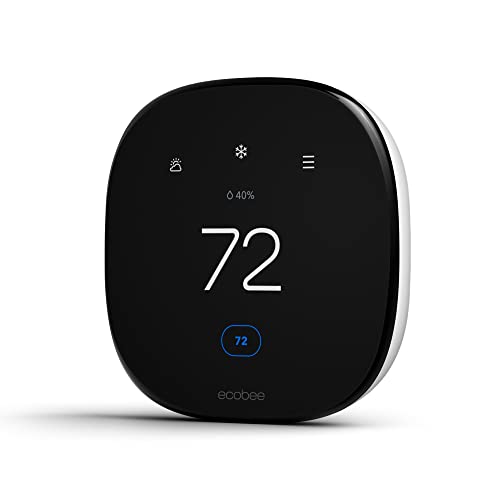
A properly configured electronic home thermostat with a sensible schedule can meaningfully reduce run time.
Airflow Verification
Static pressure and airflow should be measured at commissioning. Restricted airflow is a common cause of efficiency loss.
Post-Install Check
Our guide on the first week after AC installation explains what to watch for to catch issues early.
For homeowners comparing proposals, our article on HVAC quotes explains how to evaluate what is actually being offered, and the guide on HVAC service companies covers how to vet contractors.
HVAC Efficiency Tiers
Efficiency in HVAC equipment is best understood in relative tiers rather than a single threshold. The following three-tier framework describes how models typically differ in the market.
| Tier | Typical Characteristics | Best For |
|---|---|---|
| Entry-Level Tier | Meets baseline standards; simple single-stage operation; straightforward controls | Budget-conscious replacements where simplicity is the priority |
| Mid-Tier | Higher efficiency ratings; two-stage or inverter compressors; improved controls | Most homes seeking a balance of efficiency and comfort |
| High-End Tier | Top-tier efficiency; variable-speed operation; advanced zoning and smart controls | Long-term efficiency investments and homes with precise comfort needs |
Within each tier, look for models that carry ENERGY STAR certification if efficiency is a priority. The certification status, combined with a proper load calculation and quality installation, is what ultimately determines real-world performance.
For a deeper look at long-term value, see our article on investment AC for the long term. If you are considering a split system, our guide on the most efficient air conditioner split system compares configurations.
Frequently Asked Questions
What does ENERGY STAR certification mean for HVAC equipment?
ENERGY STAR certification indicates that a heating or cooling product meets or exceeds efficiency criteria set by the U.S. Environmental Protection Agency. Certified equipment is independently verified to use less energy than standard models in the same category, which can reduce long-term energy consumption.
Which HVAC products can carry the ENERGY STAR label?
Central air conditioners, heat pumps, ductless mini splits, furnaces, boilers, and room air conditioners are all eligible for ENERGY STAR certification when they meet the current efficiency thresholds for their category. The specific requirements depend on the equipment type and region.
Does ENERGY STAR certification guarantee lower utility bills?
Certification reflects efficiency under standardized test conditions, but actual savings depend on proper sizing, installation quality, duct sealing, thermostat settings, and home insulation. An ENERGY STAR unit installed incorrectly may not deliver the expected efficiency gains.
How do I verify an HVAC product is ENERGY STAR certified?
The ENERGY STAR product database lists certified models by category. You can search by brand and model number to confirm certification before purchase, and the product literature should display the ENERGY STAR logo along with the certified model number.
Ready to Compare ENERGY STAR HVAC Options?
Review our curated selection of efficient heating and cooling equipment to find a system that matches your home and efficiency goals.
View Recommended Models