Cost to Install Central Heating and Cooling: Complete Guide
Understand the real factors behind central heating and cooling installation, from system tiers and ductwork condition to labor variables and efficiency choices, so you can plan with confidence.
Explore the GuideWhy this guide matters: Installing a combined central heating and cooling system is one of the most significant home comfort investments you will make. This page breaks down the variables that shape the overall project scope, so you can compare quotes intelligently and choose a system that fits your home and lifestyle.
What a Central Heating and Cooling System Includes
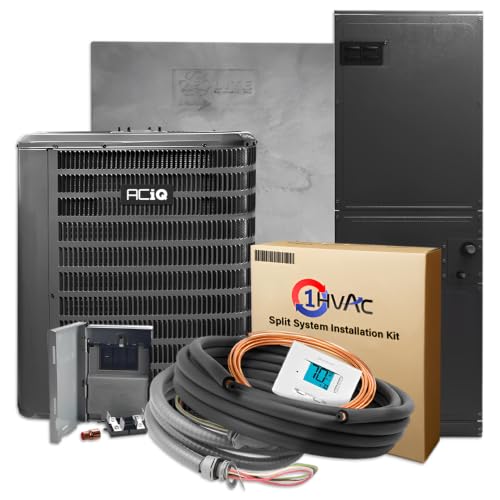
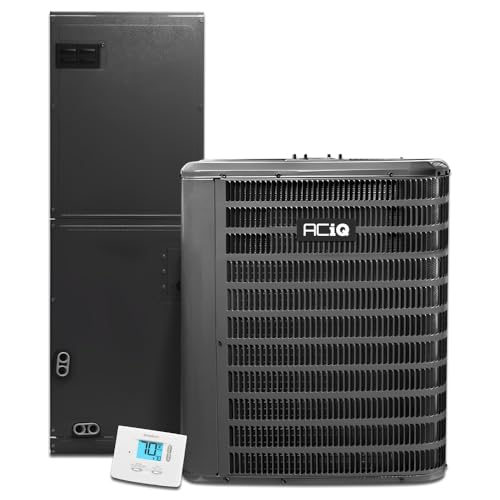
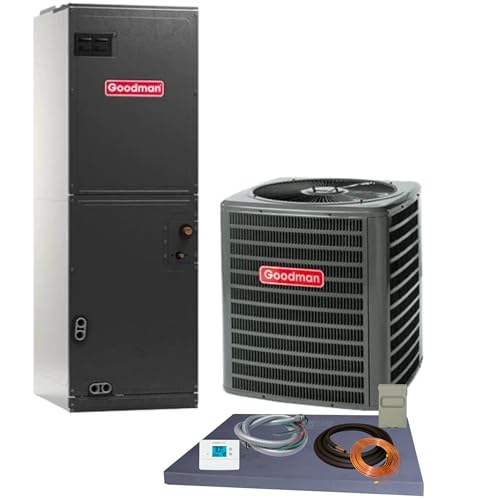
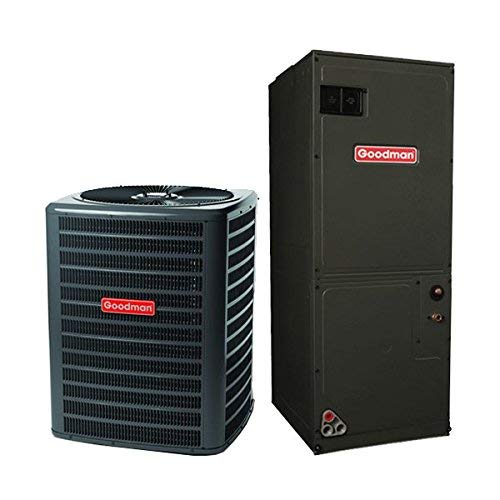
A combined central heating and cooling system typically consists of an outdoor condenser unit, an indoor air handler or furnace, a network of supply and return ducts, a thermostat, and the refrigerant and electrical connections that tie everything together. Because heating and cooling share the same air distribution network, installing them together is often more space-efficient and operationally streamlined than separate systems.
Homeowners researching this topic are usually deciding between a full new installation and an upgrade to an existing setup. If you already have ductwork, the project may focus on replacing the condenser, air handler, and thermostat. If you are starting from scratch, duct design and routing become a major part of the planning. For a broader look at related system choices, you can explore guides on central air with existing ductwork and adding central air to a home.
Understanding the scope early helps you ask better questions, compare quotes fairly, and avoid surprises during the project.
Key Factors That Shape Installation Scope
No two homes are alike, and the overall project scope depends on a combination of structural, mechanical, and efficiency-related factors. The most influential ones are listed below.
1. Home Size and Layout
Larger homes require more capacity, longer duct runs, and potentially multiple zones. A single-story ranch with an accessible attic is very different from a multi-story home with finished ceilings and limited crawl space. For capacity planning by home size, see resources like new AC unit for a 1,500 sq ft home and new AC unit for a 2,500 sq ft home.
2. Existing Ductwork Condition
If ducts are already in place and properly sized, the project is simpler. If ducts are undersized, leaky, or absent, additional work is needed. Duct sealing and insulation can improve performance significantly. Learn more in HVAC system with ductwork and HVAC system without ductwork.
3. Electrical Panel Capacity
Modern central systems often require dedicated circuits and may need a panel upgrade if the existing electrical service is limited. This is a common hidden factor in older homes.
4. Regional Climate and Load Requirements
Homes in hotter climates may prioritize cooling capacity and higher SEER ratings, while colder regions place more emphasis on heating performance and HSPF ratings. A qualified contractor performs a load calculation to match system capacity to your climate zone.
5. System Efficiency Tier
Entry-level systems meet baseline efficiency standards, while mid-range and premium systems offer higher SEER2 ratings, variable-speed compressors, and quieter operation. The tier you choose influences both the equipment specification and the complexity of installation.
6. Labor Complexity and Accessibility
Attic access, crawl space conditions, roof penetrations, and the distance between indoor and outdoor units all affect labor time. Homes with difficult access require more careful planning and skilled labor.
7. Permits and Local Codes
Most jurisdictions require permits for HVAC installations, and inspections add a procedural step. Local codes may also dictate refrigerant handling, electrical work, and duct sealing standards.
System Tiers and What Each Tier Offers
To make comparisons easier without relying on absolute figures, it helps to think in terms of market tiers. The table below outlines the general positioning of central heating and cooling systems across four common tiers.
| Tier | Best For | Typical Characteristics |
|---|---|---|
| Entry-Level | Straightforward replacements, modest homes, essential comfort needs | Single-stage compressor, standard efficiency, basic thermostat compatibility, solid build for everyday use |
| Mid-Range | Homeowners seeking balanced performance and improved efficiency | Two-stage or variable-speed options, higher SEER2 ratings, quieter operation, smart thermostat support |
| Premium | Whole-home comfort with advanced zoning and efficiency goals | Variable-speed inverter compressors, top-tier SEER2 and HSPF2 ratings, enhanced dehumidification, premium cabinet insulation |
| Luxury | Custom homes, multi-zone layouts, high-performance comfort expectations | Flagship-tier equipment, advanced controls, integrated air quality accessories, professional-grade installation detailing |
Moving up a tier generally brings smoother temperature control, lower energy consumption in the long run, and quieter operation. The right tier depends on how long you plan to stay in the home, your comfort priorities, and the existing infrastructure. For a deeper dive into whole-system planning, see heating and cooling system installation.
Ductwork and Existing Infrastructure
Ductwork is often the single largest variable in a central heating and cooling project. If your home already has a well-designed duct system, the project can focus on equipment replacement and connection. If ducts are missing or in poor condition, the installation expands significantly.
When Ducts Already Exist
Existing ducts should be inspected for sizing, leakage, insulation, and obstructions. Sealing leaky joints and balancing airflow can improve comfort without replacing the entire network. This is often the most efficient path for homeowners upgrading an older system. Related reading: central air with existing ductwork and AC installation with existing ductwork.
When Ducts Need to Be Added
New ductwork requires careful layout to deliver balanced airflow to every room. Supply and return paths, register placement, and insulation all matter. In homes without existing ducts, alternative approaches such as ductless mini-splits may be worth considering. Explore ductless mini-split installation and ductless heating and cooling.
Duct Cleaning and Maintenance
If ducts have been unused or are contaminated, cleaning before installation is a sensible step. See ductwork cleaning for context on what that involves.
Efficiency Ratings and Long-Term Value
Efficiency ratings translate directly into long-term operational performance. The two most relevant metrics for a combined heating and cooling system are SEER2 for cooling and HSPF2 for heating efficiency. Higher ratings generally correspond to more advanced compressor technology and better part-load performance.
SEER2 (Cooling Efficiency)
SEER2 is the updated standard that reflects real-world duct conditions more accurately than the older SEER metric. Entry-level systems meet the minimum threshold, while mid-range and premium systems exceed it. Higher SEER2 systems are especially worthwhile in climates with long cooling seasons.
HSPF2 (Heating Efficiency)
For heat pump-based systems, HSPF2 measures heating efficiency across the season. Homes in colder regions benefit from higher HSPF2 ratings, which often come with variable-speed compressors and enhanced defrost controls.
Variable-Speed Technology
Variable-speed inverter compressors adjust output smoothly rather than cycling on and off. This improves humidity control, reduces temperature swings, and lowers energy use during mild weather. It is a hallmark of premium and luxury tiers.
For more on high-efficiency options, see high-efficiency air conditioner and new central heat and air unit.
The Installation Process Step by Step
Understanding the sequence of a professional installation helps you anticipate timelines and prepare your home. While every project differs, the general flow is consistent.
- Assessment and load calculation: A contractor evaluates your home's insulation, window area, orientation, and occupancy to determine the right system capacity. This is often called a Manual J load calculation.
- System selection and proposal: You review equipment options across tiers, discuss efficiency goals, and choose a configuration that fits your home and priorities.
- Permits and scheduling: Required permits are obtained, and installation dates are set. Inspections may be scheduled at key milestones.
- Removal of old equipment (if applicable): Existing units are safely disconnected and removed, with refrigerant recovered according to regulations.
- Ductwork preparation or installation: Ducts are sealed, insulated, or newly installed as needed. Register placement is finalized.
- Equipment installation: The outdoor condenser, indoor air handler or furnace, refrigerant lines, electrical connections, and thermostat are installed.
- Testing and commissioning: The system is charged, airflow is balanced, and controls are configured. The contractor verifies operation and reviews maintenance with you.
- Final inspection: A local inspector confirms the work meets code requirements.
For a step-by-step look at how this applies to new builds or major upgrades, see central air conditioning installation in a house and air conditioning system installation.
Questions to Ask Before You Commit
Asking the right questions helps you compare proposals fairly and avoid misunderstandings. Consider the following when reviewing contractor quotes:
- Did you perform a load calculation? A proper Manual J calculation ensures the system is neither oversized nor undersized.
- What efficiency tier is this proposal for? Ask for the SEER2 and HSPF2 ratings and how they compare to baseline standards.
- Are ducts included, and will they be sealed or replaced? Clarify exactly what ductwork work is part of the scope.
- What electrical work is required? Confirm whether panel upgrades or new circuits are included.
- What warranty covers equipment and labor? Understand the duration and what is covered.
- Will permits and inspections be handled? Reputable contractors include permitting in the process.
- What maintenance is recommended after installation? A maintenance plan protects your investment over time.
If you are comparing a full replacement against repairing an older unit, resources like replacing a central air conditioning unit and replacing an HVAC system can help frame the decision.
Ready to Explore Your Options?
Review recommended central heating and cooling systems below to compare features across tiers and find the right fit for your home.
View Recommended SystemsFrequently Asked Questions
What factors affect the cost to install central heating and cooling?
Key factors include home size, existing ductwork condition, system efficiency tier, labor complexity, regional climate, and whether new ducts or electrical upgrades are needed.
Is it better to install a combined heating and cooling system?
A combined system is often more efficient in terms of space and installation labor, since the air handler, ducts, and thermostat can serve both heating and cooling functions.
How long does central heating and cooling installation take?
A straightforward replacement can take one to three days, while a full new installation with ductwork and electrical work can take one to two weeks.
Can I install central heating and cooling in an older home?
Yes, but older homes often require additional planning around duct routing, electrical capacity, and structural considerations. A professional assessment is essential. See also central AC in an old house and air conditioning in an old house.
What maintenance does a new system need?
Regular filter changes, annual professional inspections, coil cleaning, and duct inspections are the core maintenance tasks. A maintenance plan can help extend the system's service life.