Duct Cleaning Services in My Area: A Complete Homeowner Guide
Everything you need to know before hiring a local duct cleaning provider — how the process works, how to verify a company, what to expect during the visit, and how to keep your ductwork clean long after the service is done.
Why this page matters: If you searched for duct cleaning services in my area, you are likely evaluating local providers and trying to separate legitimate specialists from high-pressure sales operations. This guide walks you through the entire decision — from spotting the signs that your ducts actually need cleaning, to verifying certifications, to understanding what a proper cleaning visit looks like. The goal is to help you hire with confidence and protect your home.
Do Your Ducts Actually Need Cleaning?
Duct cleaning is not a service every home needs on a fixed schedule. Industry guidance from organizations such as NADCA (the National Air Duct Cleaners Association) emphasizes that cleaning should be driven by evidence of contamination, not by a calendar. Before you start contacting local providers, check whether your home shows any of the following indicators:
- Visible debris inside registers or duct openings — dust, lint, or construction particles that accumulate near the vents.
- Mold growth on duct surfaces or insulation, often accompanied by a persistent musty odor when the system runs.
- Pest activity — droppings, nesting material, or evidence of rodents and insects inside the ductwork.
- Recent renovation or new construction that introduced drywall dust, sawdust, or debris into the return system.
- Unexplained allergy or respiratory symptoms that worsen when the HVAC system is running — though this should be evaluated together with a medical professional.
- Excessive dust buildup on furniture and surfaces shortly after cleaning, which can point to a distribution problem.
If none of these apply, a professional inspection may still be worthwhile — but be skeptical of any provider that insists on cleaning without first showing you visual evidence. A legitimate company will inspect before recommending work. If your broader HVAC system is due for service, related guidance on routine HVAC tune-up expectations can help you plan maintenance holistically.
What Professional Duct Cleaning Actually Involves
A proper duct cleaning visit is a systematic process, not a quick vacuum of the visible vents. Understanding the standard steps helps you judge whether a provider is doing the job correctly. A quality service typically includes:
1. Visual Inspection
The technician inspects accessible ductwork, the air handler, and registers, often using a camera. Findings should be documented and shared with you before cleaning begins.
2. Source Removal
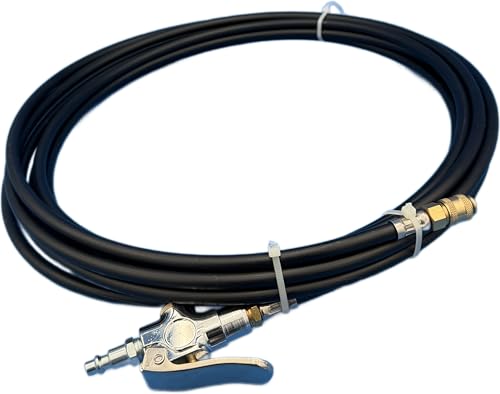
Contaminants are dislodged using specialized brushes, air whips, or compressed-air tools, then captured with high-powered negative-pressure vacuum equipment.
3. Component Cleaning
Registers, grilles, diffusers, and accessible parts of the air handler and coils may be cleaned as part of the scope, depending on what the provider includes.
4. Containment & Protection
Floors and furnishings should be protected, and openings sealed to prevent debris from spreading into living spaces during the work.
5. Verification & Documentation
After cleaning, the provider should show before-and-after evidence and explain what was done, what was excluded, and any issues requiring follow-up.
6. Filtration Check
The filter and return system should be reviewed so that cleaned ducts are not immediately re-contaminated by a clogged or incorrectly sized filter.
Be wary of any provider that promises to clean the entire system in a very short visit, or that skips the inspection step. A thorough job on a typical single-family home usually takes several hours. If your ductwork is older or has been modified over the years, the layout may matter — related reading on ductwork design principles explains why poorly designed runs collect debris faster.
How to Find and Vet Duct Cleaning Services Near You
Local search results can be crowded, and not every company advertising duct cleaning specializes in it. Use a structured vetting process so you compare providers on substance rather than marketing claims.
- Check certification. NADCA certification (ASCS — Air Systems Cleaning Specialist) is a recognized credential. Ask for the certificate and verify the company is listed.
- Confirm insurance. Request proof of liability insurance and workers' compensation. A legitimate company will provide this without hesitation.
- Ask about equipment. Proper cleaning requires negative-pressure vacuum equipment and source-removal tools, not just a shop vacuum.
- Request a written scope. The estimate should describe exactly what will be cleaned, what is excluded, and how the home will be protected.
- Read reviews critically. Look for detailed accounts of the visit, not just star ratings. Patterns of complaints about upselling are a warning sign.
- Compare at least three providers. Consistent scope descriptions across quotes tell you what the local market considers standard.
If your home also needs broader air quality attention, understanding how filtration and furnace air cleaner systems work can help you decide whether duct cleaning alone is the right investment or whether upgraded filtration should be part of the plan.
Comparing Service Tiers: What Different Providers Offer
Duct cleaning providers vary widely in capability. Rather than comparing headline offers, compare what each tier actually delivers. The table below uses universal quality descriptors so you can map any local provider to a tier.
| Tier | Typical Capabilities | Best For |
|---|---|---|
| Starter Tier | Basic source removal with portable vacuum equipment, cleaning of accessible registers and main trunk lines. Limited documentation. | Light maintenance cleaning in homes with no contamination indicators and straightforward duct layouts. |
| Balanced Tier | NADCA-certified technicians, truck-mounted or high-capacity negative-pressure equipment, camera inspection, cleaning of branch runs, before-and-after documentation. | Most single-family homes with visible debris, recent renovations, or moderate contamination requiring thorough coverage. |
| Top-Tier | Full-system cleaning including air handler components, coil access, microbial treatment where warranted, detailed reporting, and post-service verification with follow-up recommendations. | Homes with mold, pest history, complex multi-zone systems, or owners who want documented, comprehensive remediation. |
In practice, a balanced-tier provider is the right starting point for most homeowners. Top-tier capability matters when contamination is confirmed or when the system is complex. Starter-tier work can be appropriate when you simply want light maintenance — but it should never be presented as full remediation.
Red Flags: How to Spot a Duct Cleaning Scam
Warning: Duct cleaning attracts a number of operators who rely on aggressive marketing and upselling rather than actual cleaning. Protect yourself by recognizing the common patterns below.
- Unsolicited phone calls offering a duct cleaning visit. Legitimate companies rarely cold-call homeowners with duct cleaning offers.
- Extremely short visits. A genuine whole-home cleaning cannot be completed in a few minutes; if the technician is in and out quickly, question what was done.
- Refusal to show certification or insurance. This is a basic requirement, not a special request.
- Vague written estimates. If the scope is not in writing, you have no way to hold the provider accountable.
- On-the-spot pressure to add services such as antimicrobial treatments or sealants before you have had time to review.
- Claims that cleaning will cure allergies or medical conditions. No duct cleaning provider should make health claims.
If a provider fails any of these checks, move on. There is no shortage of legitimate local companies, and waiting for the right one is always better than authorizing work from an operator you cannot verify.
How to Prepare Your Home for the Visit
A little preparation makes the visit smoother and helps ensure the cleaning is thorough:
- Clear access to all registers, return grilles, and the air handler or furnace closet.
- Move fragile items and furniture away from vents where possible.
- Ask the provider how they will protect floors and furnishings — containment should be standard.
- Note any rooms with persistent odors or visible dust so the technician can pay attention to those areas.
- Keep pets and children away from work areas during the visit.
- Confirm the expected duration and whether the HVAC system will be running during the process.
If your system has been running with a clogged filter for a long time, it is worth reviewing ENERGY STAR HVAC guidance to understand how filter condition and system efficiency interact — cleaning ducts without addressing filtration often produces short-lived results.
After the Cleaning: What to Expect and How to Maintain Results
A properly cleaned system should show visible improvement at the registers, and any musty or stale odors should diminish. Ask for the before-and-after documentation and keep it with your home maintenance records. To preserve the results:
- Replace the HVAC filter according to the manufacturer's schedule, and check it monthly during heavy use seasons.
- Seal any gaps at registers and duct joints so debris cannot re-enter the system.
- Schedule regular HVAC maintenance — understanding HVAC repair expectations helps you budget for long-term system care.
- Address moisture problems promptly; damp ductwork invites mold regrowth.
- Repeat duct cleaning only when new evidence of contamination appears, not on a fixed calendar.
If your ductwork is part of a larger system upgrade or you are evaluating a new installation, related reading on ducted air conditioning systems and ducted versus ductless options can help you understand how duct condition fits into overall HVAC performance.
Frequently Asked Questions
How often should air ducts be cleaned?
Most homes do not need routine duct cleaning on a fixed schedule. Industry guidance suggests cleaning when there is visible debris, mold growth, pest infestation, or after a renovation that introduced dust and construction particles into the system. A qualified technician can assess your specific situation.
What should I ask before hiring a duct cleaning company?
Ask for proof of NADCA certification, liability insurance, and references. Request a written scope of work, confirm whether they use negative pressure equipment, ask how they protect your home, and get the inspection and cleaning terms in writing before any work begins.
How long does professional duct cleaning take?
A typical single-family home with a standard duct system usually takes several hours. Larger homes with multiple zones, extensive ductwork, or heavy contamination can take a full day or more. The provider should give you a time estimate during the inspection.
Can duct cleaning improve indoor air quality?
Duct cleaning can help when ducts contain accumulated debris, mold, or pests that are being distributed through the home. It is most effective when combined with source control, proper filtration, and regular HVAC maintenance rather than treated as a standalone fix.
What are the warning signs of a duct cleaning scam?
Be cautious of unsolicited phone offers, unusually short cleaning visits, providers who refuse to show certification or insurance, vague written estimates, and pressure to add services on the spot. A legitimate company will inspect first and provide a clear written scope.
Ready to Compare Local Duct Cleaning Providers?
Use the checklist on this page to vet at least three local companies. Prioritize NADCA certification, written scope, and evidence-based recommendations over marketing claims. Below, you can explore recommended air quality and HVAC-related products to support your system after cleaning.
Explore Recommended ProductsChoosing duct cleaning services in your area does not have to be a gamble. When you understand what a proper cleaning involves, verify credentials, and insist on written documentation, you shift the conversation from sales pressure to technical competence. That is the difference between a service that improves your home and one you regret. If your home is also considering a broader HVAC change, related guides on different types of home air conditioning and ductless options for older homes can help you frame the bigger picture.