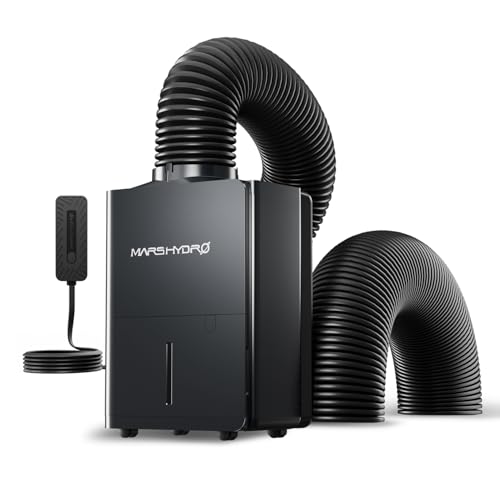
Ducted Dehumidifier: The Complete Guide to Whole-House Humidity Control
Discover how a ducted dehumidifier integrates with your HVAC system to remove excess moisture across your entire home, protect your property, and create healthier indoor air.
Explore the GuideWhy ducted dehumidification matters: Excess indoor humidity can cause mold growth, musty odors, structural damage, and discomfort. A whole-house ducted dehumidifier treats the air across multiple rooms continuously and automatically — unlike a portable unit that only conditions one space at a time. This guide explains the technology, sizing, installation, and maintenance so you can choose with confidence.
What Is a Ducted Dehumidifier?
A ducted dehumidifier is a whole-house dehumidification system designed to connect to ductwork. Rather than sitting in a single room like a portable unit, it is typically installed in a basement, crawl space, attic, or mechanical closet and distributes dehumidified air through supply and return ducts. The system continuously monitors indoor humidity and removes moisture until the space reaches a target setpoint.
Ducted dehumidifiers are often specified alongside air conditioning, but they serve a different purpose. Air conditioners cool and dehumidify as a byproduct of cooling; a ducted dehumidifier is purpose-built to remove moisture independently of temperature. This distinction is important in humid climates, shoulder seasons, and below-grade spaces where cooling demand may be low while humidity remains high.
Whole-House Coverage
Connected to ductwork, a single unit can dehumidify multiple rooms, an entire floor, or a complete home — ideal for consistent comfort and moisture protection.
Automatic Operation
Most systems use a humidistat or digital controller to cycle on and off automatically, maintaining a set relative humidity level without manual intervention.
Continuous Drainage
Condensate is routed to a floor drain, sump, or condensate pump, so there is no bucket to empty. This makes ducted units well suited to unattended spaces.
Independent of Cooling
Unlike an air conditioner, a ducted dehumidifier can run when the AC is off, keeping humidity in check during mild weather and in basements or crawl spaces.
How Ducted Dehumidifiers Work
Most residential ducted dehumidifiers use a refrigerant-based (condensation) process. Moist air is drawn in through a return duct, passed over a cold evaporator coil where water vapor condenses, then reheated slightly before being supplied back to the home. The collected water drains away continuously. The result is drier air distributed through the duct system.
- Air intake: A return duct pulls humid air from one or more conditioned spaces.
- Filtration: An air filter captures dust and particulates before the coil.
- Condensation: Moisture condenses on the cold evaporator coil and drips into a drain pan.
- Reheat and supply: Air is typically warmed slightly (from the compressor/condenser side) and delivered through supply ducts.
- Humidistat control: The controller cycles the unit to maintain the target relative humidity.
Some models use desiccant technology, which is effective in very low temperatures, while refrigerant models are the most common choice for residential whole-house applications. For a broader comparison of moisture-control strategies, see our related guide on dehumidifier vs. AC.
Ducted vs. Portable vs. AC Dehumidification
Understanding the trade-offs helps you match the technology to your space. The table below summarizes the main differences without reference to any pricing.
| Feature | Ducted Dehumidifier | Portable Dehumidifier | AC as Dehumidifier |
|---|---|---|---|
| Coverage | Whole home or multiple rooms via ducts | Single room | Conditioned zones only while cooling |
| Drainage | Continuous to drain or pump | Manual bucket or hose | Condensate line |
| Operation independent of cooling | Yes | Yes | No — runs only with cooling |
| Installation | Professional; duct integration required | Plug-and-play | Part of HVAC system |
| Best for | Whole-house humidity control, basements, crawl spaces | Single rooms, renters, temporary needs | Hot, humid climates with high cooling demand |
For below-grade spaces specifically, our guide on dehumidifiers for basements expands on placement and moisture sources. If you are evaluating whole-house approaches, decreasing humidity in your house covers complementary strategies such as ventilation and source control.
Key Benefits of Whole-House Dehumidification
- Mold and mildew prevention: Keeping indoor relative humidity in the recommended range reduces the risk of mold growth on surfaces and inside wall cavities.
- Structural protection: Lower humidity reduces condensation on cold surfaces, wood swelling, and moisture damage in crawl spaces and basements.
- Improved comfort: Dry air feels more comfortable at the same temperature, and it reduces that clammy feeling during humid weather.
- Healthier indoor air: Controlling moisture limits dust mite populations and musty odors associated with damp environments.
- Supports HVAC efficiency: Removing moisture independently can reduce the load on the air conditioner, which is beneficial during mild but humid periods.
- Set-and-forget convenience: Continuous drainage and automatic humidistat control mean less manual attention than portable units.
How to Size a Ducted Dehumidifier
Capacity is typically expressed in pints of moisture removed per day. Residential ducted units commonly fall in the 70–130 pints per day range, but the right capacity depends on several factors. A qualified contractor will usually perform a load calculation that accounts for:
- Conditioned floor area and ceiling height: Larger volumes hold more moisture-laden air.
- Climate and outdoor humidity: Humid climates and coastal regions require more capacity.
- Infiltration and ventilation: Outdoor air introduced through ventilation or leaks adds moisture load.
- Occupancy and activities: Cooking, showering, laundry, and occupancy contribute moisture.
- Below-grade spaces: Basements and crawl spaces often have persistent ground moisture and cooler surfaces.
- Duct design: Static pressure and duct layout affect how effectively dehumidified air reaches each zone.
For general context on load calculations used in HVAC sizing, see our overview of ducted air conditioning and how ducted systems are planned. Sizing for dehumidification should always be verified by a professional using manufacturer data and local climate conditions.
| Application Tier | Typical Space | Moisture Load Profile | Best For |
|---|---|---|---|
| Entry-level residential | Small basement or single zone | Moderate, sealed space | Starter-tier whole-house humidity control |
| Mid-range residential | Whole home or multiple zones | Moderate to high, humid climate | Balanced-tier everyday dehumidification |
| Premium residential | Large homes, crawl spaces, multi-zone | High moisture load, ventilation integration | High-end-tier performance and control |
| Commercial-grade | Light commercial, large basements | Heavy-duty continuous operation | Professional-grade moisture management |
Installation and Placement Options
Ducted dehumidifiers are flexible in where they can be installed, provided manufacturer clearances, drainage, and electrical requirements are met. Common locations include:
Basement
A popular location for whole-house units. Basements are often humid and provide space for duct connections and a condensate drain or pump.
Crawl Space
Well suited to controlling ground moisture and protecting floor structures. Units must be rated for the environment and properly drained.
Attic
Possible in some layouts, but high attic temperatures and service access must be considered. Insulated ductwork and a secondary drain pan are often required.
Mechanical Room
Convenient for service and drainage. Noise isolation and clearances should be planned to avoid vibration transmission to living spaces.
Installation Steps at a Glance
- Assess the home's moisture load and select the appropriate capacity.
- Choose a location with service access, drainage, and electrical supply.
- Design the duct run — dedicated or shared with the HVAC system.
- Install the unit on a level, vibration-isolated base with required clearances.
- Connect supply and return ducts, ensuring proper airflow and static pressure.
- Route the condensate drain to a suitable disposal point; add a pump if gravity drainage is not possible.
- Wire the unit and humidistat according to code and manufacturer instructions.
- Commission the system: verify airflow, check for leaks, and confirm humidity control.
Because installation involves ductwork and electrical connections, professional service is strongly recommended. For related duct planning topics, see HVAC ducting and duct sealing.
Duct Integration: Dedicated vs. Shared Ductwork
There are two main ways to connect a ducted dehumidifier to the home. The right choice depends on the existing HVAC layout, the number of zones, and how the system will be controlled.
| Configuration | How It Works | Best For | Considerations |
|---|---|---|---|
| Dedicated duct run | Unit has its own supply and return ducts, separate from the AC system. | Homes without existing ductwork or where independent control is desired. | Requires dedicated duct space and separate control logic. |
| Shared with HVAC | Unit ties into the existing supply and return plenum, using the same ducts. | Homes with central ductwork and multiple rooms to condition. | Requires careful design to balance airflow and avoid backdrafting; interlock controls are often used. |
| Zoned configuration | Unit serves selected zones through dampers or dedicated trunks. | Multi-zone homes needing targeted humidity control. | Damper controls and zoning logic add complexity. |
When sharing ductwork with an air conditioner, controls should prevent the dehumidifier and AC from fighting each other. Many contractors use an interlock or a control board that coordinates operation. For related system concepts, see ductless vs. ducted AC and ducted vs. ductless systems.
Features to Look For
- Humidistat control: Adjustable setpoints and accurate humidity sensing are essential for automatic operation.
- Continuous drainage: Gravity drain or a condensate pump for locations without a floor drain.
- Filtration: A serviceable filter protects the coil and supports indoor air quality.
- Duct static pressure rating: Ensure the unit's fan can handle the planned duct design.
- Low-temperature operation: Important for crawl spaces and basements that stay cool.
- Service access: Filters, drain pans, and controls should be reachable for routine maintenance.
- Sound and vibration: Vibration isolation pads and insulated duct runs help keep noise low.
- Smart or remote monitoring: Optional for owners who want alerts and remote humidity tracking.
For general context on humidity targets and whole-house strategies, see do I need a dehumidifier in my house.
Maintenance Checklist
Routine maintenance keeps a ducted dehumidifier operating efficiently and extends its service life. A simple schedule is shown below.
| Task | Frequency | Notes |
|---|---|---|
| Inspect and replace the air filter | Every 1–3 months | More often in dusty environments or during renovation. |
| Check the condensate drain and pan | Monthly | Clear blockages and confirm water flows freely to the drain or pump. |
| Clean the drain pan | Every 3–6 months | Prevent biofilm and odors; follow manufacturer guidance. |
| Inspect duct connections | Annually | Look for leaks, disconnected runs, and damaged insulation. |
| Professional service | Annually | Check refrigerant charge, controls, fan, and overall performance. |
For seasonal tasks that apply to HVAC systems more broadly, see our ducted air conditioning resource and general maintenance guidance.
Ready to Explore Ducted Dehumidifier Options?
Now that you understand how whole-house dehumidification works, you can evaluate models and features with confidence. Browse recommended ducted dehumidifiers below and compare capabilities for your space.
View Recommended ModelsFrequently Asked Questions
What is a ducted dehumidifier?
A ducted dehumidifier is a whole-house dehumidification system that connects to your existing HVAC ductwork to remove excess moisture from the air across multiple rooms or an entire building.
How does a ducted dehumidifier differ from a portable dehumidifier?
A portable dehumidifier treats a single room and must be emptied manually. A ducted dehumidifier integrates with ductwork to condition the whole home, drains continuously, and operates automatically based on a humidity setpoint.
What size ducted dehumidifier do I need?
Sizing depends on the home's square footage, ceiling height, climate, and moisture load. Contractors typically use a Manual J or similar load calculation, and most residential units range from 70 to 130 pints per day of moisture removal capacity.
Can a ducted dehumidifier be installed in a crawl space?
Yes. Ducted dehumidifiers are commonly installed in crawl spaces, basements, attics, and mechanical rooms, then connected to supply and return ductwork. Placement should follow manufacturer clearances and local code.
Does a ducted dehumidifier work with central air conditioning?
Yes. A ducted dehumidifier can share ductwork with a central AC system or operate on a dedicated duct run. It removes moisture independently of cooling demand, which helps maintain comfortable humidity even when the AC is not running.