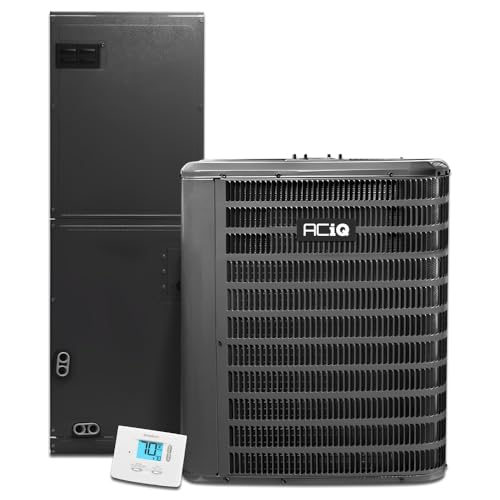
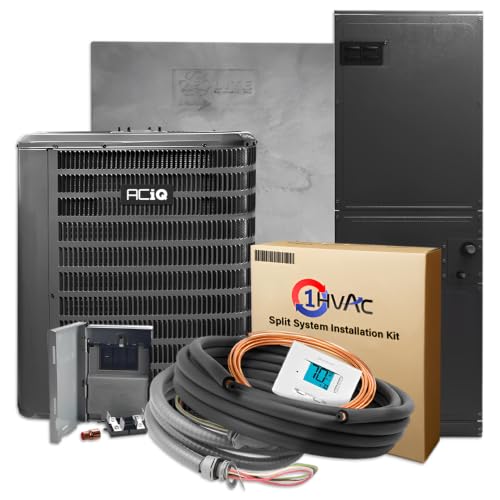
Electric Heat Pump AC System: The Complete Guide
One system for cooling and heating. Understand how electric heat pump AC systems work, how to size and select them, which efficiency ratings matter, and how to match the right configuration to your home before you buy.
Start Learning
Why this page exists: If you already know you want a heat pump and are comparing options, this guide walks you through the mechanics, the terminology, and the practical selection decisions so you can move forward with confidence.
What Is an Electric Heat Pump AC System?
An electric heat pump AC system is a reversible HVAC unit that uses electricity to move thermal energy rather than generate it by combustion. In cooling mode it behaves exactly like a conventional air conditioner: refrigerant absorbs heat indoors and releases it outdoors. In heating mode, a reversing valve flips the refrigerant flow so the outdoor coil absorbs heat from outside air and the indoor coil releases it into your living space.
That reversibility is the defining feature. Instead of pairing a separate air conditioner with a furnace, a single outdoor unit and matched indoor air handler or wall unit handle both seasons. This makes the electric heat pump AC system one of the most versatile options in modern residential HVAC, and it is why so many homeowners researching an electric heating and air conditioning system end up focusing on heat pumps.
The technology itself is mature. Scroll compressors, inverter-driven compressors, electronic expansion valves, and smarter defrost controls have improved cold-weather performance considerably over the past decade. Modern cold-climate models can maintain useful heating capacity well below freezing, which broadens the map of where these systems are practical.
How an Electric Heat Pump AC System Works
The system relies on the same vapor-compression cycle that powers conventional air conditioners, but with a few added components that enable reverse operation.
- Compressor: Pumps refrigerant and creates the pressure differential that drives the cycle. Inverter compressors vary speed to match load, while single-stage and two-stage compressors step between fixed outputs.
- Reversing valve: Redirects refrigerant flow so the indoor coil can act as either an evaporator (cooling) or a condenser (heating).
- Outdoor coil: Rejects heat in cooling mode and absorbs heat in heating mode. In cold weather it can frost, which triggers a defrost cycle.
- Indoor coil / air handler: Absorbs heat from indoor air in cooling mode and delivers warm air in heating mode.
- Expansion valve: Meters refrigerant into the evaporator. Electronic expansion valves improve part-load efficiency and low-ambient performance.
- Defrost control: Temporarily reverses the cycle or energizes auxiliary heat to clear frost from the outdoor coil during heating operation.
Because the system moves heat rather than burning fuel to create it, its heating efficiency can exceed 100% relative to the electrical energy it consumes. That is why the same equipment can be described as an electric heating and cooling unit for homes that serves both seasons with one refrigerant circuit.
Main Types of Electric Heat Pump AC Systems
Heat pumps are available in several form factors. The right one depends on whether your home has ductwork, how much space you have outdoors, and whether you need zoned comfort.
Ducted Split System
An outdoor heat pump paired with an indoor air handler connected to existing ductwork. Ideal for homes with a central duct system and a single-zone layout.
Ductless Mini-Split
One outdoor unit connected to one or more wall, ceiling, or floor-mounted indoor heads. Best for homes without ducts, additions, and room-by-room zoning.
Packaged Unit
All components housed in a single outdoor cabinet, connected to indoor ducts. Common in locations where indoor mechanical space is limited.
Window / Through-the-Wall
Compact reversible units for single rooms. Practical for rentals and small spaces where a full split system is not feasible.
Ductless configurations deserve a closer look because they are often the best fit for retrofit projects. If you are weighing ducted versus ductless, the comparison in our ductless vs ducted AC guide is a useful starting point. For a deeper look at the ductless family, our overview of ductless heating and air conditioning systems covers the configurations and indoor head styles available.
Comparison by Configuration
| Configuration |
Best For |
Ductwork Required |
Zoning Flexibility |
Typical Tier |
| Ducted Split Heat Pump |
Homes with existing ducts |
Yes |
Limited without dampers |
Entry-level to high-end tier |
| Ductless Mini-Split |
No-duct homes, additions, single rooms |
No |
Excellent, per-head control |
Mid-tier to premium |
| Multi-Zone Mini-Split |
Whole-home ductless comfort |
No |
Excellent |
Mid-tier to top-tier |
| Packaged Heat Pump |
Limited indoor space, slab construction |
Yes |
Limited |
Entry-level to mid-range |
| Window / PTAC Heat Pump |
Single rooms, rentals, light commercial |
No |
None |
Essential tier |
Sizing an Electric Heat Pump AC System
Sizing is where most heat pump regrets originate. An oversized system short-cycles, struggles to dehumidify, and wears out faster. An undersized system runs constantly and fails to keep up on design days. The correct approach is a room-by-room load calculation that accounts for envelope tightness, insulation, window area, orientation, and local design temperatures for both heating and cooling.
Heating and cooling loads are not symmetric. In many climates the heating load is the larger of the two, which means a heat pump selected only on cooling capacity may underperform in winter. Always size to the larger of the two loads and confirm that the chosen model maintains capacity at your local design temperature.
For a structured walkthrough of the process, see our guide on how to size an air conditioner. If you want to understand what happens when capacity is mismatched, our article on AC too big or too small explains the practical consequences in detail.
Efficiency Ratings That Matter
Heat pump efficiency is expressed through several metrics. Understanding what each one measures helps you compare models on equal footing.
- SEER2: Seasonal cooling efficiency under updated DOE test procedures. Higher is better.
- EER2: Peak-load cooling efficiency at a fixed outdoor temperature. Useful in hot climates.
- HSPF2: Seasonal heating efficiency under updated test procedures. The key metric for heating-dominated climates.
- COP: Instantaneous heating efficiency at a specific outdoor temperature. Often reported at 47°F and 17°F for cold-climate ratings.
Our explainers on SEER rating and HSPF rating cover the underlying methodology. For the updated federal test procedures, the SEER vs SEER2 comparison explains why the numbers shifted and how to read them correctly.
As a general rule, entry-level systems meet minimum standards, mid-range systems improve seasonal efficiency meaningfully, and top-tier ENERGY STAR systems combine high SEER2 with strong HSPF2 and often include variable-speed compressors for better part-load performance. If efficiency is a priority, our overview of ENERGY STAR certified AC explains the certification thresholds.
Practical tip: A high-efficiency outdoor unit paired with a low-efficiency indoor coil will not deliver rated performance. Matched systems matter. Always confirm that the outdoor unit and indoor air handler or head are listed as a matched pair in the manufacturer's ratings database.
Cold-Climate Performance
Historically, heat pumps lost capacity as outdoor temperatures dropped. Modern cold-climate models address this with enhanced vapor injection, variable-speed compressors, and improved defrost logic. Many models now maintain rated capacity at 5°F and continue to operate below 0°F, though capacity tapers and auxiliary heat may be needed at design conditions.
When evaluating a cold-climate system, look for published capacity tables at 47°F, 17°F, and 5°F. Compare those figures to your home's heating load at the same temperatures. If the heat pump's capacity at design temperature meets or exceeds the load, you can often avoid a backup resistance strip entirely. If it falls short, a properly sized auxiliary heat source covers the gap.
Homeowners in mixed climates who want a single system for year-round comfort often find that a well-selected cold-climate heat pump is the most straightforward path. The broader category of electric heating and air conditioning units includes these models alongside more conventional options, so comparing within that group is a sensible first step.
Installation Considerations
Installation quality has a larger effect on real-world performance than most specification differences. A few items deserve attention before you sign a contract.
- Electrical capacity: Confirm your panel can support the new circuit. Our guide on checking your home electrical panel walks through what to look for.
- Outdoor placement: Clearances, drainage, snow accumulation, and noise transmission to neighboring rooms all matter. See our guidance on indoor and outdoor placement.
- Line set and vacuum: Proper evacuation removes moisture and non-condensables. Our article on how to vacuum an AC system explains why this step cannot be skipped.
- Contractor selection: Licensing, insurance, and warranty terms should be verified. Our guide on how to choose an HVAC contractor covers the key questions to ask.
For ductless installations specifically, our overview of ductless mini-split AC installation covers the sequence and the decisions that come up during a typical project.
Maintenance for Long-Term Performance
Heat pumps run year-round, so maintenance discipline pays off more than it does on a cooling-only system. The essentials are straightforward:
- Replace or clean filters on a schedule appropriate to your home's dust load. Our guide on cleaning the AC filter covers the process.
- Clean outdoor coils seasonally to maintain heat transfer. See cleaning condenser coils.
- Keep the outdoor unit clear of snow, leaves, and debris during heating season.
- Schedule professional service annually to check refrigerant charge, electrical connections, and defrost operation.
- Use a programmable or smart thermostat to reduce unnecessary runtime. Our article on using a programmable thermostat explains the setup.
A disciplined maintenance routine is the single most effective way to protect a long-term investment in any heat pump system.
Buying Checklist Before You Decide
- Complete a room-by-room load calculation for both heating and cooling.
- Decide between ducted and ductless based on existing infrastructure and zoning needs.
- Confirm the model's capacity at your local design temperature for heating.
- Compare SEER2, EER2, and HSPF2 ratings, and check that the system is a matched pair.
- Verify electrical capacity and plan the outdoor unit location.
- Select a licensed contractor and confirm warranty registration requirements.
- Review the maintenance schedule and set a service reminder for the first year.
If you are still comparing broad categories, the broader family of electric heating and air conditioning options includes heat pumps alongside other configurations. For homes without ducts, exploring ductless heating and air conditioning options side by side with ducted systems is often the most productive comparison.
Frequently Asked Questions
What is an electric heat pump AC system?
It is a reversible HVAC unit that uses electricity to move heat rather than generate it. In cooling mode it works like a standard air conditioner; in heating mode it reverses the refrigerant cycle to draw heat from outdoor air into the home.
How is a heat pump different from a regular air conditioner?
A conventional air conditioner only cools. A heat pump cools and heats using the same refrigerant circuit, a reversing valve, and a defrost control. That dual capability makes it a year-round comfort system in one package.
Do heat pumps work in cold climates?
Modern cold-climate heat pumps can deliver useful heating well below freezing, with many rated for full or near-full capacity at 5°F. Cold-climate models use enhanced vapor injection and optimized defrost to maintain performance in low outdoor temperatures.
What SEER2 and HSPF2 ratings should I look for?
Higher ratings mean greater efficiency. Entry-level systems typically meet minimum federal standards, mid-range systems offer better seasonal efficiency, and top-tier ENERGY STAR systems pair high SEER2 cooling efficiency with strong HSPF2 heating efficiency.
How long does a heat pump system last?
With regular filter changes, coil cleaning, and annual professional service, a quality heat pump typically lasts 12 to 18 years. Installation quality and maintenance discipline are the biggest factors in lifespan.