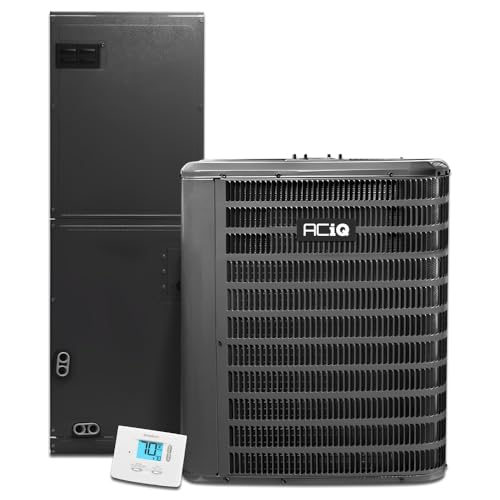
Electric Heating and Air Conditioning Units: The Complete Buyer's Guide
Understand how all-electric HVAC systems work, which configurations suit your home, and how to choose a unit that delivers year-round comfort with strong efficiency.
START LEARNINGWhy this guide matters: Electric heating and air conditioning units combine heating and cooling in a single system, which makes them a popular choice for modern homes. Before you commit to a configuration, it helps to understand the technology, efficiency ratings, and sizing principles that determine real-world performance. This guide walks you through each factor so you can compare options with confidence.
What Are Electric Heating and Air Conditioning Units?
Electric heating and air conditioning units are HVAC systems that rely on electricity to deliver both heating and cooling. Unlike systems that burn fuel on site, these units move heat rather than generate it from combustion, which is why they are often associated with lower on-site emissions and simpler maintenance. The most common configurations include heat pumps, electric furnaces paired with a cooling coil, and ductless mini-split systems that serve individual rooms.
A heat pump is the most recognizable example: in cooling mode it extracts heat from indoor air and releases it outdoors, and in heating mode it reverses the process. Electric resistance furnaces, by contrast, generate heat directly through heating elements. Understanding this distinction is the first step in choosing the right system for your climate, home layout, and efficiency goals.
Main Types of Electric HVAC Systems
1. Electric Heat Pump Systems
Heat pumps are the flagship of all-electric heating and cooling. Modern cold-climate heat pumps maintain useful capacity well below freezing, making them viable in many regions that previously relied on gas furnaces. Ducted heat pumps connect to existing ductwork, while ductless heating and air conditioning units serve individual zones without ducts. If you are retrofitting an older home, exploring ductless air conditioning for older homes can reveal practical pathways that avoid major ductwork projects.
For homeowners weighing a full conversion, a dual fuel heating and cooling setup pairs a heat pump with a backup furnace, which can be a sensible middle path in colder climates. Those planning a full electric conversion may also want to review electric ductless cooling and heating systems for zone-level control.
2. Electric Furnace with Central Air
An electric furnace uses resistance heating elements and distributes warm air through ductwork. Paired with a central cooling coil, it becomes a complete electric heating and air conditioning system. This configuration is straightforward and familiar to most HVAC technicians, but resistance heating is generally less efficient per unit of delivered heat than heat pump operation. It remains a practical option where ductwork already exists and heating demand is moderate.
3. Ductless Mini-Split Systems
Ductless mini-splits pair an outdoor compressor with one or more indoor air handlers. They are ideal for additions, converted attics, and homes without ducts. A floor mounted mini split works well in rooms where wall space is limited, while a ductless ceiling cassette mini split air conditioner offers even air distribution in larger open areas. Multi-zone setups such as a five zone mini split let you condition several rooms independently.
4. Packaged and Specialty Electric Units
Packaged systems house all components in a single outdoor cabinet, which simplifies installation in some layouts. Specialty configurations include through-the-wall units and dual inverter through the wall air conditioner models that combine inverter efficiency with a compact footprint. For spaces where traditional systems are impractical, these alternatives deserve consideration.
How Electric Heating and Cooling Works Together
In a heat pump, a reversing valve changes the direction of refrigerant flow. In cooling mode, the indoor coil absorbs heat and the outdoor coil releases it. In heating mode, the roles reverse: the outdoor coil absorbs heat from outside air (even cold air contains usable heat) and the indoor coil releases it into your home. This is why heat pumps can deliver more heating energy than the electricity they consume.
Electric resistance systems work differently. They convert electricity directly into heat, which is simple and reliable but inherently limited in efficiency. Understanding this difference helps explain why two systems with similar cooling capacity can perform very differently in winter. If you are comparing configurations, the ductless split system heat pump and energy efficient split system air conditioner pages provide useful side-by-side context.
Efficiency Ratings You Should Know
Efficiency ratings translate technical performance into comparable numbers. For cooling, SEER2 is the current standard, and higher values indicate greater seasonal efficiency. EER2 measures efficiency at a specific test condition, which can be more relevant in hot climates. For heating, HSPF2 reflects seasonal heating performance. Inverter-driven compressors, found in many modern units, modulate speed rather than cycling on and off, which improves comfort and efficiency.
Systems carrying the ENERGY STAR label meet efficiency thresholds set by the U.S. Department of Energy. You can explore ENERGY STAR HVAC options and ENERGY STAR qualified air conditioners to see how certification applies across categories. Homeowners focused on heat pump performance may also review ENERGY STAR mini split heat pump and ENERGY STAR mini split listings, which highlight models that meet stricter efficiency criteria.
Sizing Your Electric HVAC System
Correct sizing is the single most important factor in comfort and efficiency. An oversized system cools too quickly, leaving humidity high and causing frequent cycling. An undersized system runs continuously and struggles during peak demand. Professional sizing uses a Manual J load calculation that accounts for square footage, insulation, window area, orientation, occupancy, and local climate.
Rough rules of thumb exist, but they should never replace a proper load calculation. If you are working through preliminary estimates, resources on ducted air conditioning and ductwork design can clarify how distribution affects performance. For homes with existing ducts, installing AC with existing ductwork is often more straightforward than a full new installation.
Installation Considerations
Installation quality determines whether a well-specified system reaches its rated performance. Key considerations include electrical capacity, refrigerant line routing, condensate drainage, and duct sealing. Older homes may need panel upgrades before supporting a new electric system. Understanding electrical outlet for outside requirements and electrical outlet plugs can help you plan ahead.
For ductless projects, DIY mini split installation is sometimes attempted, but refrigerant handling regulations and warranty requirements usually favor professional installation. If you are evaluating a ductless upgrade, the ductless mini split AC installation cost overview and ductless mini split heat pump installation cost guide provide useful planning context. Whole-home projects may also benefit from reviewing cost to install air conditioning system and cost to install central air conditioning system resources.
Electric Heating and Air Conditioning Unit Comparison
The table below summarizes how the main configurations compare across practical dimensions. Tier descriptors reflect relative market positioning rather than any specific figure.
| System Type | Tier Positioning | Best For | Heating Performance | Installation Complexity |
|---|---|---|---|---|
| Ducted Heat Pump | Mid-range to premium | Whole-home comfort with existing ducts | Strong in mild to moderate climates | Moderate |
| Cold-Climate Heat Pump | Premium | Colder regions replacing fuel systems | Excellent down to low temperatures | Moderate to high |
| Electric Furnace + Central Air | Entry-level to mid-range | Homes with existing ductwork | Reliable but less efficient per unit | Moderate |
| Ductless Mini-Split | Mid-range to premium | Additions, older homes, zoned comfort | Strong with inverter technology | Low to moderate |
| Packaged Electric System | Entry-level to mid-range | Compact lots and simple retrofits | Adequate in moderate climates | Low |
Maintenance for Long-Term Performance
Electric HVAC systems reward consistent maintenance. Filter replacement every one to three months protects airflow and efficiency. Annual coil cleaning, condensate drain checks, and refrigerant level verification prevent the most common performance declines. For homeowners who prefer a proactive approach, understanding cost of HVAC tune up expectations helps with planning. When something fails, knowing typical cost of HVAC repair ranges supports better decisions.
Ducted systems also benefit from periodic duct cleaning and sealing. Homeowners researching service options can review duct cleaning services in my area to understand what professional service typically includes. For cooling-specific issues, fixing an air conditioner covers common troubleshooting steps before calling a technician.
Common Questions About Electric HVAC
Do electric heating and air conditioning units work in cold climates?
Modern cold-climate heat pumps operate effectively well below freezing and are increasingly common in northern regions. In extreme cold, a dual-fuel setup with a backup furnace can provide a safety margin. Electric resistance systems always work but may operate less efficiently during extended cold snaps.
Can I add electric heating to an existing AC system?
In many cases, yes. A heat pump can replace an air conditioner while reusing existing ductwork, or an electric furnace can be paired with an existing cooling coil. The right approach depends on your current equipment, electrical capacity, and climate. Reviewing cost to install AC with existing ductwork can clarify what a retrofit typically involves.
Are ductless systems a good fit for whole-home heating and cooling?
Multi-zone ductless systems can serve an entire home, particularly when designed around room-by-room loads. For larger homes, a five zone mini split configuration offers flexibility and independent control. Whole-home ducted systems remain preferable when ductwork already exists and even distribution is a priority.
What efficiency level should I aim for?
Higher SEER2 and HSPF2 ratings generally indicate better performance, but the right target depends on climate, usage patterns, and installation quality. ENERGY STAR certified models are a reliable baseline for efficiency-conscious buyers. Reviewing ENERGY STAR qualified air conditioners and ENERGY STAR HVAC resources helps set realistic expectations.
Ready to compare models? Explore the recommended electric heating and air conditioning units below and check availability through our affiliate partners.
VIEW RECOMMENDED UNITS