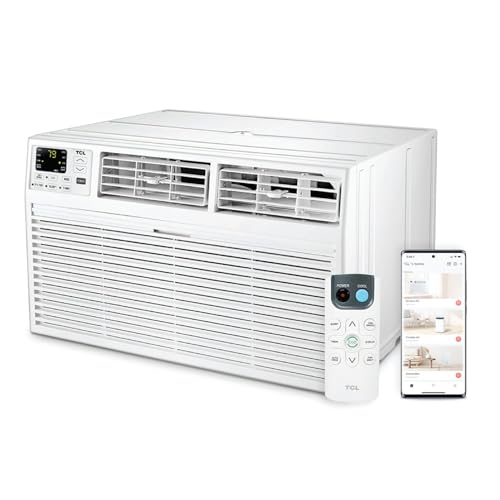
Electric Heating Air Conditioning Wall Units
A complete buyer-research guide to dual-purpose wall units that deliver both electric warmth and mechanical cooling from a single wall-mounted chassis
EXPLORE THE GUIDEWhy this guide matters: Electric heating air conditioning wall units solve a specific problem — how to heat and cool a single room, sunroom, motel room, or converted garage without running new ductwork. This guide walks you through how the technology works, the main configurations available today, how to size a unit for your space, what installation requires, and which product tiers fit different use cases. By the end you will have a clear shortlist and a confident decision framework.
What Is an Electric Heating Air Conditioning Wall Unit?
An electric heating air conditioning wall unit is a self-contained, single-package system that mounts through an exterior wall or directly on the wall surface. Inside one chassis you get a sealed compressor loop for cooling plus an electric resistance heating element — often called a heat strip — for warmth. The unit draws room air across an evaporator coil, conditions it, and discharges tempered air back into the room through an adjustable louver assembly.
Because the entire system lives in the wall opening or a slim wall-mounted enclosure, there is no outdoor condenser, no refrigerant line set running across the home, and no ductwork. That makes these units a practical retrofit option for spaces that were never designed for central HVAC. If your home has no existing duct system and you want a single-room solution, this category sits alongside ductless heating and air conditioning units and ductless mini-split air conditioners with heat as your primary choices.
How the Heating Side Works
The heating function relies on electric resistance elements — the same principle as a space heater, but engineered into the airflow path of a wall chassis. When heat mode is selected, the compressor cycles off and the element energizes, warming the air that passes across it. Response is immediate, which is a real advantage in shoulder-season climates where you need warmth for an hour in the morning and cooling by afternoon.
Because resistance heat converts electricity to heat at essentially 100 percent efficiency, the operational equation is straightforward: the element's rated kilowatt draw determines both the heat output and the electrical load. That is why proper circuit sizing matters so much, and why it is worth reviewing the electrical side before you commit. Our reference on electric heating and cooling units for homes covers the circuit and panel considerations in more depth.
How the Cooling Side Works
Cooling is conventional mechanical refrigeration. A compressor, condenser coil, and evaporator coil work together to move heat out of the room and reject it outdoors through the rear of the chassis. Because the condenser sits on the exterior side of the wall, the unit needs adequate outdoor clearance to reject heat effectively. This is the same mechanical principle found in energy efficient wall unit air conditioners, which prioritize cooling performance and efficiency in a wall-mounted form factor.
Common Configurations of Wall Units
Not every product marketed as a wall unit is built the same way. The three configurations below cover nearly every residential and light-commercial application, and understanding the differences early will save you from buying the wrong form factor.
PTAC (Packaged Terminal)
A single through-the-wall chassis with compressor, condenser, evaporator, and electric heat strip in one sleeve. Common in hotels, motels, senior living, and apartment retrofits. Serviceable from inside the room and designed for repeated filter access.
PTHP (Packaged Terminal Heat Pump)
Same through-the-wall footprint as a PTAC, but the heat cycle uses a reversing valve to move heat rather than generate it from resistance. Many PTHPs include a backup electric element for very cold mornings, giving you a hybrid of efficiency and reliability.
Wall-Mounted Mini-Split with Heat
A high-wall indoor head paired with an outdoor condenser. Cooling and heating are both handled by the refrigerant loop. This is not a self-contained through-wall unit, but it is often grouped with wall units in buyer research because of the wall-mounted indoor head and dual heating-cooling function.
If you are comparing the self-contained through-wall approach with a ductless wall head, the trade-offs are meaningful. A through-wall unit installs into an existing wall sleeve or a new rough opening and is fully self-contained, while a ductless mini-split requires refrigerant lines, an outdoor unit, and a licensed installer. The ductless vs ducted AC comparison is useful if your broader home layout is still undecided.
Wall Unit vs Mini-Split Heat Pump: Which Fits Your Room?
The single most common decision point for buyers researching this category is whether to choose a self-contained electric resistance wall unit or a ductless heat pump with a wall-mounted head. Both are legitimate solutions, but they serve different priorities.
| Consideration | Through-the-Wall Electric Unit | Wall-Mounted Mini-Split with Heat |
|---|---|---|
| Installation complexity | Moderate; requires a wall opening or sleeve and a dedicated circuit | Higher; requires refrigerant line set, outdoor unit, vacuum procedure, and licensed labor |
| Heating method | Electric resistance heat strips with immediate response | Heat pump compressor with reversing valve; electric backup on some models |
| Efficiency in the long run | Cooling efficiency is solid; heating is resistance-based | Heat pump heating is generally more efficient over a full season |
| Best for | Hotels, motels, sunrooms, garage conversions, single-room retrofits with an existing sleeve | Whole-home zone control, primary living spaces, homeowners planning long-term occupancy |
| Outdoor equipment | None; fully self-contained in the wall | Required outdoor condenser unit |
| Service access | Filter and components reachable from inside the room | Indoor head serviceable from the room; outdoor unit serviceable outside |
If long-term efficiency is your priority and you are comfortable with outdoor equipment, a mini-split wall head is often the better fit. If your priority is a self-contained unit that installs into a wall sleeve and provides immediate electric warmth, the through-wall electric unit is the more direct solution. Many buyers use both approaches in different parts of the same home — for example, a mini-split in the main living area and a through-wall unit in a guest room or whole-home electric heating and cooling plan.
Sizing an Electric Wall Unit for Your Room
Sizing is the decision that most affects satisfaction. An undersized unit runs continuously and never quite reaches the set point; an oversized unit cools quickly but leaves the room humid and cycles uncomfortably. The goal is a capacity that matches the room's actual load.
Cooling capacity is measured in BTU per hour. A rough starting point for a standard-height room with average insulation is 20 BTU per square foot, then adjust upward for sun-facing windows, high ceilings, kitchen appliances, and occupancy. Heating capacity is measured in kilowatts and should be matched to the coldest expected outdoor temperature for your climate zone.
Always confirm capacity against the manufacturer's nameplate and a room-by-room load estimate rather than a single square-foot rule. If you are also planning the broader system, our guide to energy efficient heating and air conditioning systems explains how to coordinate multiple zones without oversizing any single unit.
Key Features to Compare Before You Buy
Two units with the same BTU rating can differ substantially in how they feel and how long they last. Focus on these attributes when you narrow your shortlist.
Heating Element Configuration
Compare the kilowatt rating of the heat strip and whether the unit offers staged heating. A single-stage element is simpler; staged elements allow gentler, more even warmth in shoulder seasons.
Thermostat and Controls
Digital thermostats with programmable set points reduce cycling and improve comfort. Look for a wall thermostat option if you want the control interface away from the chassis. An electronic heating thermostat can add scheduling flexibility.
Airflow and Louvers
Adjustable louvers let you direct conditioned air away from seating areas. Four-way adjustable discharge is preferable in rooms where the unit sits close to a bed or desk.
Filtration and Maintenance Access
Washable or replaceable filters that slide out from the room side make routine maintenance realistic. Check that the filter is a standard size you can source locally.
Electrical Requirements
Confirm voltage, amperage, and whether the unit ships with a cord and plug or requires hardwiring. The electric outlet socket and circuit must match the nameplate.
Build Quality and Finish
Durable construction, a rust-proof finish on the outdoor-facing panels, and a sealed chassis extend service life in humid or coastal climates.
Product Tiers: Matching the Unit to the Use Case
Wall units are not all built for the same duty cycle. The tier framework below helps you match the product class to the application, rather than comparing raw specifications across price points. Use this to shortlist, then compare features within your chosen tier.
Buyer tip: Ask whether the unit is designed for a standard wall sleeve. Sleeve compatibility determines whether you can replace an existing PTAC with a new chassis without cutting a new opening — a meaningful advantage for retrofits and multi-unit properties.
Installation Requirements and Electrical Planning
An electric heating wall unit draws more current than a cooling-only window air conditioner because the heat strip adds load. Plan the electrical side before you order the unit.
Most 230/240-volt wall units with a heat strip require a dedicated circuit and a breaker sized to the nameplate amperage. Smaller 115-volt models may run on a standard outlet, but the circuit should still be verified as dedicated or lightly loaded. If you are unsure about the condition of your panel, our guide to electric air conditioning electrical fundamentals explains the basics of circuit planning.
On the installation side, the wall opening or sleeve must be level, sealed against air and water intrusion, and have adequate exterior clearance for condenser airflow. Outdoor-facing panels should sit slightly below the interior side to shed water. A licensed HVAC contractor or electrician should handle the rough opening, circuit, and final commissioning — especially in multi-unit properties where code compliance and fire separation matter.
If your long-term plan is to convert the space to a ductless system, review ductless heating and air conditioning before committing to a wall opening, since the two approaches have different installation paths.
Maintenance and Longevity
Wall units reward simple, consistent maintenance. The filter is the single most important service item: clean or replace it every four to six weeks during heavy use, and more often in dusty environments or homes with pets. A clogged filter strains the compressor, reduces cooling capacity, and can cause the evaporator coil to freeze.
Seasonally, inspect the outdoor-facing condenser coil for debris and clean it gently with coil cleaner and water. Check the condensate drain line for algae growth and clear it before cooling season. Annually, have a technician verify refrigerant charge, inspect the heating element and its safety limit switch, and tighten electrical connections. For a full seasonal checklist, see energy saving tips for AC and the broader maintenance guidance in our energy efficient air conditioners wall units reference.
Typical service life for a well-maintained through-wall unit is in the range of ten to fifteen years, depending on duty cycle and climate. Commercial-grade units in continuous hotel service often reach the lower end of that range and are designed for easier component replacement.
Frequently Asked Questions
What is an electric heating air conditioning wall unit?
It is a single through-the-wall or wall-mounted system that combines electric resistance heating with mechanical cooling in one chassis. It delivers both warm and cool air from the same wall opening, making it a year-round solution for rooms without ductwork.
How is a wall unit different from a mini-split heat pump?
A wall unit with electric resistance heat generates warmth from heating elements, while a ductless mini-split heat pump moves heat between indoor and outdoor air. Heat pumps are generally more efficient in the long run, whereas electric resistance wall units are simpler, self-contained, and suitable for single-room retrofits.
Can a wall unit heat and cool the same room?
Yes. These units are dual-purpose: a sealed compressor loop provides cooling in warm months, and an electric heating element provides warmth in cold months. A thermostat or mode selector switches between the two functions.
What size wall unit do I need for a bedroom?
A typical bedroom between 150 and 300 square feet usually needs a unit in the 8,000 to 12,000 BTU cooling range, adjusted upward for sun exposure, ceiling height, and occupancy. Always perform a room-by-room load estimate before finalizing capacity.
Do electric heating wall units require a dedicated circuit?
Most 230/240-volt wall units with electric heat require a dedicated circuit and breaker sized to the nameplate amperage. Smaller 115-volt models may plug into a standard outlet, but a licensed electrician should verify circuit capacity before installation.
How often should a wall unit be maintained?
Clean or replace the air filter every four to six weeks during heavy use, inspect coils and drain lines seasonally, and schedule professional service annually to check refrigerant charge, heating element condition, and electrical connections.