Electric Air Conditioning: The Complete Buyer's Guide
Understand how electric air conditioning works, compare system types, size your unit correctly, and choose an energy-efficient electric AC that fits your home and climate.
Explore Electric AC SystemsWhy this guide matters: Electric air conditioning is the standard for modern homes, yet choosing the wrong type or capacity is one of the most common buying mistakes. This guide walks you through the technology, the system categories, sizing methods, and efficiency ratings so you can make a confident, well-informed decision before you buy.
What Is Electric Air Conditioning?
Electric air conditioning describes cooling systems that operate entirely on electricity. Instead of burning fuel, an electric AC unit uses a compressor, refrigerant loop, and fans to absorb heat from indoor air and release it outdoors. The result is a controlled indoor temperature and, in most modern systems, improved humidity control and filtration.
Almost every residential cooling system on the market today is electric, including window units, portable air conditioners, ductless mini-splits, and central air systems. The key differences between them are how they are installed, how efficiently they convert electricity into cooling, and how well they distribute air across a space. Understanding these differences is the foundation of a smart purchase.
Because electric air conditioning is the dominant technology, the practical question is not whether a unit is electric, but which electric system architecture best matches your home. A ductless mini-split, for example, can deliver zoned comfort without ductwork, while a central electric system is often the preferred choice for whole-home cooling where ducts already exist. You can explore the broader category on our electric air conditioning overview page.
How Electric Air Conditioning Works
An electric air conditioner moves heat rather than generating cold from scratch. The process follows a continuous refrigeration cycle:
- Absorption: Warm indoor air passes over the evaporator coil, where refrigerant absorbs heat and evaporates into a gas.
- Compression: The compressor raises the pressure and temperature of the refrigerant gas. This is the component that consumes the most electricity.
- Condensation: The hot gas releases heat to the outdoor air through the condenser coil and returns to a liquid state.
- Expansion: The refrigerant passes through an expansion device, dropping in pressure and temperature, and the cycle repeats.
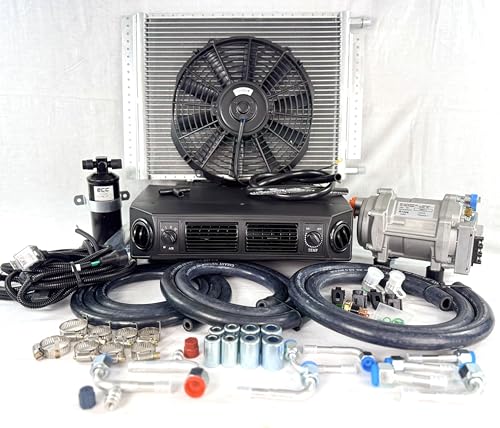
The compressor is the heart of the electric system, and its design has a major impact on efficiency. Inverter-driven compressors adjust speed continuously, while single-stage compressors run at full power and cycle on and off. For a deeper technical comparison, see our guide to the electric air conditioning compressor.
Types of Electric Air Conditioning Systems
Electric AC systems fall into several categories, each with distinct installation requirements, comfort characteristics, and efficiency profiles. The descriptors below use a consistent tier system (entry-level, mid-range, premium) to indicate relative market positioning without referencing any figures.
Window Electric AC
A self-contained unit installed in a window frame. It is straightforward to install and suits single rooms. Entry-level models are common, while mid-range units add better efficiency and quieter operation. See easy-to-install window air conditioner options.
Portable Electric AC
A wheeled unit that vents exhaust air through a window kit. It offers flexibility for renters and rooms without permanent installation. Mid-range portable units often include better dehumidification and quieter fans. Browse easiest portable air conditioner to install.
Ductless Mini-Split
An outdoor compressor paired with one or more indoor wall, ceiling, or floor units. It delivers zoned comfort and high efficiency without ductwork. Premium models offer multi-zone control and heat pump capability. Learn about ductless mini-split systems.
Central Electric AC
A split system connected to ductwork that cools the whole home. It is the standard for new construction and larger houses. High-end tier systems pair variable-speed compressors with advanced air handlers. Review energy-efficient central air unit considerations.
Electric Heat Pump AC
A reversible electric system that cools in summer and heats in winter. It is highly efficient for both functions and increasingly popular in mild and moderate climates. See our guide to electric heat pump AC system options.
Through-the-Wall Electric AC
A permanently installed unit that fits into a wall sleeve. It frees up window space and is common in apartments and hotels. Tier options range from basic cooling to advanced efficiency models. Explore energy-efficient air conditioners wall units.
Comparing Electric AC Systems at a Glance
| System Type | Best For | Installation | Typical Tier |
|---|---|---|---|
| Window AC | Single rooms, apartments | DIY-friendly | Entry-level to mid-range |
| Portable AC | Renters, temporary spaces | Minimal setup | Entry-level to mid-range |
| Ductless Mini-Split | Zoned comfort, no ductwork | Professional install | Mid-range to premium |
| Central AC | Whole-home cooling | Professional install | Premium to professional-grade |
| Heat Pump AC | Year-round heating and cooling | Professional install | Mid-range to high-end |
| Through-the-Wall | Permanent single-room cooling | Professional or semi-pro | Entry-level to premium |
How to Size an Electric Air Conditioner
Correct sizing is the single most important factor in comfort and efficiency. An oversized unit cools the air quickly but does not run long enough to remove humidity, leaving the room feeling clammy. An undersized unit runs continuously and struggles to reach the set temperature.
A common starting rule is about 20 BTU per square foot of living space, but this is only a rough baseline. A proper calculation accounts for ceiling height, insulation quality, window area, sun exposure, occupancy, and appliance heat gain. For whole-home and ductless systems, a Manual J load calculation is the most reliable approach.
For a structured walkthrough, see our guide on energy-efficient air conditioner for small room use cases, and compare specific capacity classes such as energy-efficient 5000 BTU air conditioner and ENERGY STAR 10000 BTU air conditioner models.
Efficiency Ratings for Electric Air Conditioning
Efficiency is measured by how much cooling a system delivers per unit of electricity consumed. The most widely recognized metrics are SEER and SEER2, with EER and HSPF relevant for specific applications.
- SEER / SEER2: Seasonal efficiency across a range of temperatures. Higher ratings indicate better efficiency.
- EER: Efficiency at a single peak temperature, useful for hot-climate performance.
- HSPF: Heating efficiency for heat pump systems that also provide winter warmth.
- ENERGY STAR: Certification that a unit meets or exceeds government efficiency thresholds.
Inverter technology is a major efficiency driver. An inverter electric AC adjusts compressor speed to match demand, avoiding the energy spikes of on/off cycling. To compare certified options, review our resources on ENERGY STAR air conditioner models and energy-efficient air conditioning systems.
Installation and Electrical Considerations
Electric air conditioning requires a safe, correctly sized electrical circuit. Window and portable units typically plug into a dedicated outlet, while central and ductless systems require dedicated circuits and professional wiring. Before installation, confirm the available voltage (110V or 240V), breaker capacity, and outlet type.
For ductless and central systems, placement of the indoor and outdoor units affects performance. Outdoor units need clearance for airflow, and indoor units should not blow directly onto occupants or be blocked by furniture. For installation planning, see our guides on ductless heating and cooling installation and ductless mini-split air conditioner installation. If you are evaluating the electrical side, review electrical outlet for outside and electrical outlet plugs.
Maintenance Checklist for Electric AC Units
Keep Your Electric Air Conditioner Running Efficiently
- Clean or replace air filters every 1–3 months during peak cooling season.
- Keep outdoor condenser coils free of leaves, dirt, and debris.
- Check that indoor and outdoor units have adequate clearance for airflow.
- Inspect and clean drain lines to prevent water backup and mold growth.
- Schedule a professional tune-up annually to check refrigerant levels and electrical connections.
- Seal gaps around window units and ductwork to prevent cooled air from escaping.
- Use a programmable or smart thermostat to align cooling with occupancy.
Preventive maintenance extends equipment life and preserves efficiency. For a broader seasonal routine, see energy saving tips AC and energy efficiency HVAC.
Which Electric AC Is Right for You?
The right electric air conditioning system depends on your space, climate, and installation constraints:
- Renters and single rooms: A window or portable electric AC is the most practical starting point. These are entry-level to mid-range systems with minimal installation requirements.
- Homes without ductwork: A ductless mini-split delivers zoned comfort and high efficiency without invasive construction. Mid-range to premium options are available depending on the number of zones.
- Whole-home cooling with existing ducts: A central electric AC or electric heat pump is the natural fit, especially in larger homes.
- Year-round comfort: An electric heat pump AC system provides both cooling and heating, making it efficient in moderate climates.
- Permanent single-room cooling: A through-the-wall electric AC frees up window space and integrates cleanly into the wall.
If you are weighing ducted versus ductless options, our ductless vs ducted AC comparison is a useful next step. For homes with existing ductwork that needs attention, see ductwork for heating and air conditioning.
Ready to Compare Electric Air Conditioning Options?
Review the recommended electric AC products below, then check availability and detailed specifications before you decide.
View Recommended Electric AC UnitsFrequently Asked Questions
What does electric air conditioning mean?
Electric air conditioning refers to cooling systems that run entirely on electricity, using a compressor, refrigerant, and fans to move heat from indoors to outdoors. Nearly all modern residential AC units are electric, including window, portable, ductless mini-split, and central systems.
Are electric air conditioners energy efficient?
Efficiency depends on the system type and its SEER/SEER2 rating. Inverter-driven and ENERGY STAR certified electric air conditioners generally use less electricity per unit of cooling than older single-stage models, especially when sized correctly for the room.
How do I size an electric air conditioner?
Sizing is based on room area, ceiling height, insulation, window exposure, occupancy, and climate. A common starting point is roughly 20 BTU per square foot, but a proper Manual J load calculation is the most reliable method for whole-home and ductless systems.
What is the difference between inverter and non-inverter electric AC?
An inverter electric AC varies compressor speed to match cooling demand, which usually improves efficiency and temperature stability. A non-inverter unit runs at a fixed speed and cycles on and off, which can be less efficient in changing conditions.
Can electric air conditioning also heat my home?
Yes, if the system is a heat pump. An electric heat pump AC system reverses the refrigeration cycle to provide heating in cooler months. Ductless mini-split heat pumps and central heat pump systems are common examples.
How often should electric AC filters be cleaned?
Most manufacturers recommend cleaning or replacing filters every one to three months during peak use. Homes with pets or high dust levels may need more frequent attention. Clean filters maintain airflow and protect the compressor.