Electrical Outlet Surface Mount: The Complete Guide to Choosing and Installing
Everything you need to know about surface-mounted electrical outlets — how they work, where they make sense, how to install them safely, and which tier of product fits your project.
START READINGWhy this guide matters: An electrical outlet surface mount is one of the most practical solutions for adding power where recessed wiring is difficult or impossible. Whether you are finishing a garage, upgrading a concrete basement wall, or extending power along a brick wall, understanding surface-mounted receptacles helps you choose the right product and install it correctly the first time. This guide walks you through types, ratings, installation steps, safety requirements, and buying considerations so you can make a confident decision.
What Is an Electrical Outlet Surface Mount?
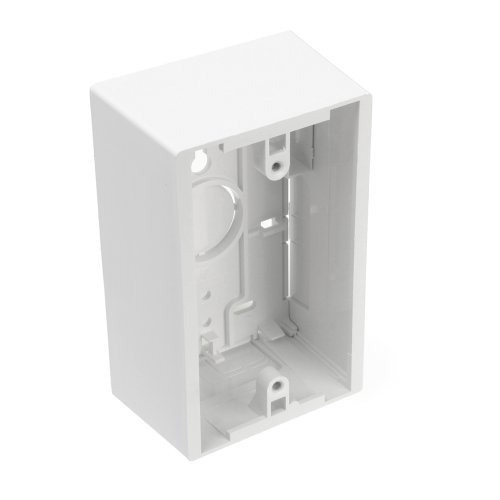
An electrical outlet surface mount is a receptacle assembly that sits on top of a finished wall rather than being recessed into the wall cavity. The outlet is housed inside a surface-mounted box — often made of metal or heavy-duty polymer — which is anchored directly to the wall surface. Wiring typically runs through surface-mounted conduit or raceway, or is fished through the wall and brought out at the box location.
This approach contrasts with a flush-mount outlet, where the electrical box is recessed into the wall and only the faceplate is visible. Surface mounting is widely used in garages, basements, workshops, concrete or brick walls, and retrofit projects where cutting into the wall is impractical or structurally undesirable.
Key Components of a Surface-Mounted Outlet
- Surface-mounted box: The enclosure that houses the receptacle and wiring connections. Available in metal (steel or aluminum) and non-metallic (PVC or polymer) versions.
- Receptacle: The actual outlet — commonly 15A or 20A, 125V, in standard, GFCI, or tamper-resistant configurations.
- Faceplate: Covers the box opening and provides a finished look. Surface-mount faceplates are often slightly deeper to accommodate the box profile.
- Conduit or raceway (optional): Surface-mounted conduit protects exposed wiring between the box and the power source.
- Mounting hardware: Anchors, screws, and straps that secure the box and conduit to the wall.
When Should You Use a Surface-Mounted Outlet?
Surface mounting is not simply a shortcut — it is often the correct engineering choice. Here are the most common scenarios where a surface mount outlet is the better option:
Hard Masonry Surfaces
Cutting channels into concrete or brick is labor-intensive and can weaken the structure. A surface-mounted box anchors cleanly to the wall face.
Adding Outlets to Finished Walls
When you need a new outlet but do not want to open up finished drywall, surface mounting with raceway keeps disruption minimal.
Utility & Work Spaces
Surface-mounted metal boxes resist impact and are easy to extend along a wall for multiple workstations or power tools.
Unfinished & Damp Areas
Surface mounting keeps wiring accessible and is compatible with moisture-resistant boxes and GFCI protection.
Flexible Layouts
Surface raceway systems can be reconfigured when equipment or workstations move, unlike buried wiring.
Weather-Exposed Walls
Weatherproof surface-mounted boxes with gasketed covers protect receptacles on porches, patios, and exterior walls.
Types of Surface-Mounted Electrical Outlets
Surface-mounted outlets are not one-size-fits-all. The right type depends on the environment, the load, and the code requirements in your area. Below is a breakdown of the main categories.
By Box Material
- Metal surface-mount boxes: Heavy-duty steel or aluminum construction. Preferred in garages, workshops, and commercial spaces where impact resistance and grounding continuity matter. Metal boxes also provide excellent shielding and durability.
- Non-metallic (PVC/polymer) surface-mount boxes: Lightweight, rust-proof, and easy to drill. Well-suited to damp basements and areas where corrosion resistance is a priority. Many are rated for direct use with non-metallic sheathed cable.
By Receptacle Function
- Standard duplex receptacle: The everyday two-outlet configuration, available in 15A and 20A ratings.
- GFCI receptacle: Required in bathrooms, kitchens, garages, basements, and outdoor locations in most jurisdictions. Ground-fault protection is built into the outlet itself.
- Tamper-resistant (TR) receptacle: Required in many residential locations for child safety; shutters block foreign objects from the slots.
- USB-integrated receptacle: Combines standard AC outlets with USB charging ports — convenient for modern workstations and bedrooms.
- Weather-resistant (WR) receptacle: Designed for outdoor and damp locations, often paired with an in-use cover.
- 20A heavy-duty receptacle: For appliances and tools that draw more current, such as workshop equipment and some kitchen appliances.
By Mounting Configuration
- Single-gang surface box: Houses one receptacle or switch. The most common configuration for a single outlet point.
- Multi-gang surface box: Accommodates two or more receptacles or a combination of outlets and switches in one enclosure.
- Raceway-ready boxes: Designed to connect directly to surface-mounted conduit or raceway systems for a clean, continuous wiring run.
Surface Mount vs. Flush Mount: How to Decide
Both methods are code-compliant when installed correctly. The decision usually comes down to wall construction, aesthetics, and future flexibility.
| Factor | Surface Mount Outlet | Flush Mount Outlet |
|---|---|---|
| Installation effort | Lower — no wall cavity cutting required | Higher — requires recessed box and wall opening |
| Best wall types | Concrete, brick, block, paneling, finished walls with raceway | Drywall and stud walls |
| Aesthetic profile | Visible box; utility-focused look | Minimal protrusion; cleaner finished look |
| Future modifications | Easy to extend or relocate along raceway | Requires opening the wall again |
| Typical applications | Garages, basements, workshops, retrofits, outdoor walls | Living spaces, bedrooms, finished interiors |
| Wiring protection | Often uses surface conduit or raceway | Wiring concealed inside wall |
If you are working on a finished living area and want a seamless appearance, flush mounting is usually preferred. For utility spaces, masonry walls, or retrofit situations, a surface mount outlet is often the more practical and durable choice.
Electrical Ratings and Code Considerations
Choosing the correct rating is not optional — it is a safety and code requirement. The most common residential ratings are 15A/125V and 20A/125V. A 15A receptacle can be used on a 20A circuit in some configurations, but a 20A receptacle must be on a 20A circuit. Always match the receptacle rating to the circuit and the wire gauge.
Essential Code Points to Verify
- GFCI protection: Required in bathrooms, kitchens, garages, basements, crawl spaces, and outdoor locations in most codes, including the NEC.
- Tamper resistance: Required in many dwelling-unit locations for receptacles under a specified height.
- Box fill: The surface box must have enough volume for the number and gauge of conductors inside. Overfilled boxes cause overheating.
- Grounding: Metal surface boxes must be properly grounded; non-metallic boxes rely on the grounding conductor of the cable.
- Strain relief and clamping: Cables entering the box must be secured and protected from abrasion.
- Wet and damp locations: Use weather-resistant receptacles and in-use covers where required.
Safety first: Electrical codes vary by jurisdiction and are updated periodically. Always confirm local requirements with your authority having jurisdiction (AHJ) before starting work. If you are not confident in your wiring skills, hire a licensed electrician.
How to Install a Surface-Mounted Outlet: Step-by-Step Overview
The exact procedure depends on whether you are extending an existing circuit or running a new one. The overview below covers a typical retrofit where power is available nearby.
- Plan the location and circuit: Confirm the outlet will be on a circuit with adequate capacity, and check whether GFCI protection is required. Choose a location that keeps the raceway run short and accessible.
- Turn off power: Switch off the breaker feeding the circuit and verify with a non-contact voltage tester at the source before touching any conductors.
- Mount the surface box: Position the box on the wall and mark anchor holes. Use appropriate anchors for the wall material — masonry anchors for concrete or brick, and toggle or stud anchors for drywall. Secure the box firmly.
- Run the wiring or raceway: If using surface conduit, cut and fit the conduit between the source and the new box. If fishing cable through the wall, bring the cable out at the box location and secure it with a connector.
- Prepare the conductors: Strip insulation to the correct length, leaving enough conductor to make a neat fold inside the box. Connect the hot, neutral, and grounding conductors to the receptacle terminals — black (or red) to brass, white to silver, green/bare to the green screw.
- Secure the receptacle: Fold the conductors carefully and screw the receptacle into the box. Ensure no bare conductor is pinched or exposed.
- Attach the faceplate: Install the surface-mount faceplate and tighten screws evenly. For outdoor or damp locations, use a gasketed cover.
- Test and label: Restore power, test the outlet with a receptacle tester, and confirm GFCI operation if applicable. Label the breaker for future reference.
Pro tip: For long raceway runs, plan gentle bends and avoid over-tightening conduit straps. A clean, straight run is easier to inspect and looks more professional. Also leave a small service loop of wire inside the box for future maintenance.
Quality Tiers: Choosing the Right Surface-Mount Outlet for Your Project
Surface-mounted outlets are available across a range of build qualities. Rather than focusing on numbers, think in terms of tiers and how each tier serves different needs.
Essential Tier
Basic non-metallic boxes and standard duplex receptacles. A solid choice for light-duty indoor retrofits where the outlet sees occasional use. Good value for its tier and straightforward to install.
Balanced Tier
Heavier polymer or steel boxes with tamper-resistant or GFCI receptacles. Well-specified for the category, with better anchoring hardware and improved faceplate fit. A strong option for garages and basements.
High-End Tier
Durable construction with reinforced metal boxes, weather-resistant coatings, and premium receptacles. Designed for heavy-duty workshops, outdoor walls, and commercial-grade demands. A long-term investment.
Entry-level options are perfectly adequate for a single outlet in a dry, low-traffic area. As you move up the tiers, you gain durability, better environmental protection, and more refined installation hardware. Mid-tier models usually offer the best balance between solid build and feature set, while premium tiers shine in demanding environments where reliability matters most.
Common Mistakes to Avoid
- Using an undersized box: Too many conductors in a small box is a fire hazard. Check box fill calculations before wiring.
- Skipping GFCI protection: In required locations, a standard receptacle is not a compliant substitute.
- Poor wall anchoring: A loose box can pull out of drywall or masonry under cord tension. Use the correct anchors for the substrate.
- Exposed wiring without raceway: Where cable is run on the wall surface, use appropriate conduit or raceway for physical protection.
- Overlooking outdoor ratings: Indoor-rated boxes and receptacles degrade quickly outdoors. Use weather-resistant components and in-use covers.
- Ignoring local amendments: Codes can differ from the model code. Always verify with your local building department.
Maintenance and Long-Term Reliability
A surface-mounted outlet requires very little maintenance, but periodic checks extend its service life and keep it safe:
- Inspect the faceplate and box for cracks or loose screws every few months, especially in garages and workshops.
- Test GFCI receptacles monthly using the test and reset buttons.
- Check that cord plugs fit snugly — a loose fit indicates worn receptacle contacts and warrants replacement.
- Keep surface raceway clean and free of paint buildup that can hide damage.
- In damp areas, look for corrosion on metal boxes and replace components showing rust or pitting.
For related electrical topics, you may find our guides on the electrical outlet socket, electrical outlet plugs, and electrical outlet for outside useful when planning a complete wiring layout. If your project also involves climate control, our article on electrical outlet with USB port covers modern charging-friendly receptacles that pair well with surface-mount installations.
Frequently Asked Questions
What is an electrical outlet surface mount?
An electrical outlet surface mount is a receptacle installed on top of a wall surface rather than recessed inside the wall cavity. It uses a surface-mounted box that houses the wiring and outlet, making it ideal for concrete walls, brick, garage walls, and retrofit projects where cutting into the wall is impractical.
Is a surface-mounted outlet safe?
Yes, a properly installed surface-mounted outlet is safe when it uses a listed electrical box, correct wire gauge, and is installed according to local electrical codes. The key is proper anchoring, strain relief, and using grounded receptacles where required. Surface mounting is a code-compliant method widely accepted for many wall types.
What is the difference between surface mount and flush mount outlets?
A flush mount outlet is recessed into the wall so only the faceplate protrudes, while a surface mount outlet sits on top of the wall with its box fully visible. Surface mount is easier to install in hard walls or retrofit situations, whereas flush mount offers a cleaner, more integrated look in finished drywall.
Can I install a surface mount outlet myself?
Basic surface mount outlet installation is a common DIY task for handy homeowners, but it requires turning off power at the breaker, using correct wire connections, and following local codes. If you are unsure about wiring, grounding, or code requirements, hiring a licensed electrician is the safer choice.
Does a surface-mounted outlet need a special box?
Yes. Surface-mounted boxes are designed specifically to be anchored to the wall face and to accommodate the wiring method you use. They have a flat back for mounting, removable knockouts for conduit or cable entry, and enough volume for the conductors. Using a standard recessed box on a surface is not appropriate.
Can a surface-mounted outlet be used outdoors?
Yes, provided the box and receptacle are rated for wet or damp locations. Use weather-resistant receptacles, gasketed faceplates, and in-use covers. Non-metallic boxes that resist corrosion are often a good choice for outdoor walls, and GFCI protection is typically required.
Final Checklist Before You Buy
Quick Buying Checklist
- Confirm the wall type and choose a matching box material (metal vs. non-metallic).
- Verify the circuit rating and select a 15A or 20A receptacle accordingly.
- Check whether GFCI and tamper-resistant features are required in your location.
- Measure the box volume needed for your wire count and gauge.
- Decide whether you need surface raceway or conduit for the wiring run.
- For outdoor use, confirm weather-resistant ratings and in-use cover compatibility.
- Choose the quality tier that matches the environment — essential for light indoor use, balanced for garages, premium for heavy-duty and outdoor installations.
Bottom line: An electrical outlet surface mount is a practical, code-compliant solution that shines in masonry walls, retrofit projects, garages, basements, and outdoor locations. Match the box material and receptacle type to the environment, follow local code requirements, and select the quality tier that fits your project's demands. With the right components and careful installation, a surface-mounted outlet delivers safe, reliable power for years.