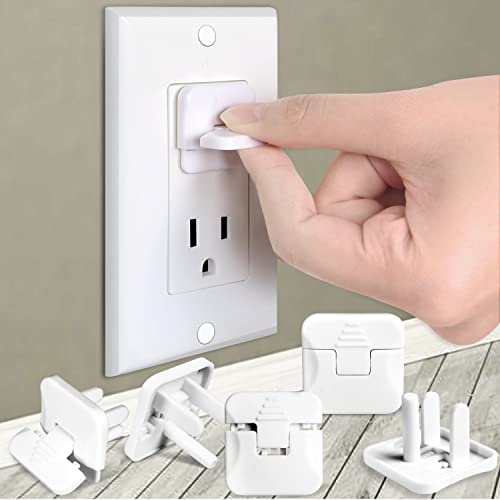
Electrical Outlet Plugs: The Complete Guide to Types, Safety, and AC Compatibility
Choosing the right outlet plug matters more than most homeowners realize, especially when you are installing an air conditioner, a heat pump, or any high-draw appliance. This guide explains the NEMA plug system, the difference between 110V and 220V outlets, GFCI protection, and how to match your cooling equipment to the correct wall receptacle before you buy.
What Are Electrical Outlet Plugs?
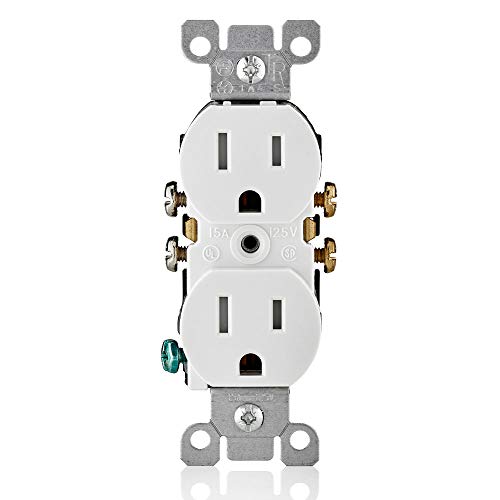
An electrical outlet plug is the physical interface between an appliance and the building's electrical wiring. In North America, the outlet (also called a receptacle) is mounted in the wall, and the plug is the cord-end connector that inserts into it. The shape, prong arrangement, and rating of both parts are standardized so that a device only fits into an outlet that can safely supply its voltage and current.
This standardization is not cosmetic. A plug that is keyed for a 240V circuit will not physically fit into a 120V receptacle, which prevents accidental overloads and dangerous mismatches. For homeowners buying an air conditioner, understanding this system is the first step toward a safe and reliable installation. If you are still comparing cooling system types, our overview of different types of air conditioning for homes is a helpful starting point.
The NEMA Plug and Receptacle System Explained
The National Electrical Manufacturers Association (NEMA) defines the configurations used for plugs and receptacles in North America. A NEMA designation such as 5-15P or 6-20R tells you the voltage class, the current rating, and whether the part is a plug (P) or a receptacle (R).
How to Read a NEMA Code
- First digit (5 or 6): Indicates the voltage class. 5-series is 120V; 6-series is 208/240V.
- Second digit: Indicates the amperage rating, such as 15, 20, or 30.
- Suffix P or R: P means plug; R means receptacle.
For example, a NEMA 5-15P plug is a 120V, 15-amp plug, and it fits a NEMA 5-15R receptacle. A NEMA 6-20P plug is a 240V, 20-amp plug for a 6-20R outlet. Larger air conditioners and heat pumps often use 6-20, 6-30, or 6-50 configurations, while smaller window and portable units typically use 5-15.
If you are planning a mini-split installation, review our notes on installing a mini-split for how the electrical connection is usually handled by the installer.
110V vs 220V Outlets: What AC Units Need
The two voltage classes you will encounter most often in a home are 120V (commonly called 110V) and 240V (commonly called 220V). The voltage a cooling unit needs depends on its capacity and design.
| Voltage Class | Typical NEMA Types | Common AC Applications | Notes |
|---|---|---|---|
| 120V (110V) | 5-15, 5-20 | Small window AC, portable AC, small mini-split indoor units | Uses a standard household outlet |
| 240V (220V) | 6-15, 6-20, 6-30, 6-50 | Larger window AC, through the wall AC, central AC, heat pumps | Usually requires a dedicated circuit |
A dual inverter through the wall air conditioner, for example, is often available in both voltage classes depending on cooling capacity. Larger capacities generally require 240V and a dedicated circuit. If you are comparing window units, see our guide on a dual inverter smart Wi-Fi enabled window air conditioner, which explains how the plug type varies by model.
When in doubt about the voltage your circuit can supply, have a licensed electrician confirm it before ordering an appliance. The article on how much an air conditioning unit involves in terms of installation scope often includes the electrical upgrade discussion.
Common Outlet Plug Types for Cooling Appliances
Most home cooling appliances use one of a small number of plug types. Knowing which one your unit requires will help you confirm whether your existing outlet is compatible or whether an electrician needs to install a new circuit.
NEMA 5-15
The standard 120V, 15-amp household plug. Found on small window units, portable AC units, fans, and most small appliances.
NEMA 5-20
A 120V, 20-amp plug with a T-shaped neutral prong. Used by slightly higher-draw 120V cooling equipment and some dehumidifiers.
NEMA 6-15 / 6-20
240V plugs for medium-capacity wall and window units. These require a dedicated 240V circuit and are common for larger through the wall models.
NEMA 6-30 / 6-50
Higher-amperage 240V plugs used by central AC equipment, heat pumps, and large cooling systems. Installation is handled by a licensed electrician.
If you need a convenient charging point near your cooling setup, a combined electrical outlet with USB port can be a practical addition, but it should not replace a dedicated circuit for a high-draw AC unit.
GFCI and AFCI Protection: Why It Matters
Ground Fault Circuit Interrupter (GFCI) outlets are designed to cut power when they detect a difference between the hot and neutral currents, which can indicate current leaking to ground through water or a person. Arc Fault Circuit Interrupter (AFCI) protection detects dangerous arcing in wiring. Both are important safety layers in a modern home.
Where These Outlets Are Required or Recommended
- Garages, basements, and outdoor locations, where moisture and grounding risks are higher.
- Kitchens and bathrooms, per typical code requirements for general receptacles.
- Any outlet serving an appliance near water or in a damp environment.
If your AC unit will be installed in a garage, basement, or near a laundry area, confirm that the outlet is GFCI-protected. For troubleshooting context, our guide on home AC compressor turns on but no cold air explains how power delivery problems can sometimes mimic cooling failures.
Matching Your AC Unit to the Correct Outlet
The most reliable approach is to check the appliance's nameplate or installation manual, which lists the required voltage, amperage, and plug type. From there, confirm that the wall outlet matches and that the circuit is dedicated where required.
Step-by-Step Compatibility Check
- Read the nameplate. Look for voltage (120V or 240V), amperage, and the NEMA plug type.
- Inspect the outlet. Confirm the prong configuration matches. Do not modify the plug or outlet to force a fit.
- Verify the circuit. Larger units usually need a dedicated circuit; sharing a circuit with other appliances can cause tripping or overheating.
- Check breaker sizing. The breaker must match the circuit and the appliance's requirements. Our notes on an HVAC fuse explain how protection devices relate to the equipment.
- Confirm grounding. The outlet must have a working ground connection.
For portable units, the plug is usually a standard 5-15 or 5-20, but the cord length and venting setup also matter. See our discussion of a long exhaust hose for a portable air conditioner for related setup considerations. If you are exploring wall-mounted options, the overview of a heat and air unit for wall installation covers how the electrical connection is typically planned.
Outlet and Plug Market Tiers
Receptacles and plugs are available across several market tiers. The tier generally reflects build materials, internal contact quality, and additional safety features rather than a single headline specification.
| Tier | Typical Focus | What to Expect | Best For |
|---|---|---|---|
| Entry-Level | Basic replacement | Standard thermoplastic construction, basic contacts, simple screw terminals | Low-demand general-purpose outlets |
| Mid-Range | Improved durability | Better contact materials, back-wire or clamp terminals, tamper-resistant shutters | High-traffic outlets and appliance circuits |
| Premium | Heavy-duty construction | High-grade contacts, reinforced housing, smoother insertion, better heat resistance | Dedicated AC and heat pump circuits |
| Professional-Grade | Commercial and specialty use | Specification-grade components, tight tolerances, extended cycle life | High-cycle and demanding installations |
A mid-range receptacle generally offers a more secure connection than an entry-level part, which matters for appliances that run for long periods. Premium and professional-grade parts are worthwhile for dedicated circuits serving cooling equipment. If you are pairing a wall unit with a smart control, the electronic home thermostat guide explains how programmable controls interact with the appliance's power needs.
Electrical Safety Checklist Before You Plug In
A few minutes of verification can prevent overheating, nuisance tripping, and more serious electrical hazards. Use this checklist before connecting any cooling appliance to a wall outlet.
- Confirm the plug type matches the outlet exactly; never force a plug.
- Check that the circuit is rated for the appliance's amperage and voltage.
- Verify the outlet has a working ground connection.
- Inspect the cord for damage, fraying, or a loose plug body.
- Keep the outlet and plug dry and away from water sources.
- Avoid daisy-chaining power strips for high-draw appliances.
- Make sure the breaker size matches the circuit and the appliance.
- Have a licensed electrician install new circuits for 240V equipment.
If an AC unit trips the breaker or behaves erratically, the issue may be electrical rather than mechanical. Our article on fixing an air conditioner covers common causes, while the notes on HVAC motor replacement explain when a motor-related fault is the likely source.
For equipment that combines heating and cooling, such as a heat pump cooling and heating split system, the electrical requirements are typically higher than a cooling-only unit, so plan the circuit accordingly.
Frequently Asked Questions
What is the most common outlet for a home air conditioner?
Small window and portable units typically use a standard NEMA 5-15 outlet at 120V. Larger window units, through the wall models, and central systems often require a 240V circuit with a NEMA 6-series outlet. Always check the appliance nameplate.
Can I plug a 240V air conditioner into a standard outlet?
No. A 240V appliance requires a 240V circuit and a matching receptacle. The plug is keyed so it will not fit a standard 120V outlet, and attempting to bypass this with adapters is unsafe.
Do I need a dedicated circuit for an air conditioner?
Most larger cooling appliances should be on a dedicated circuit. Sharing a circuit with other loads can cause breaker tripping, voltage drops, and overheating. Check the manufacturer's manual and local code requirements.
What is the difference between a plug and a receptacle?
The receptacle is the outlet mounted in the wall. The plug is the connector at the end of the appliance cord. They must match in NEMA configuration, voltage, and amperage.
Are tamper-resistant outlets required for AC circuits?
Tamper-resistant receptacles are widely required for general-purpose outlets in many jurisdictions. For dedicated appliance circuits, follow local code and the manufacturer's instructions. A licensed electrician can confirm the requirement for your area.
Can I use a GFCI outlet for an air conditioner?
GFCI protection is often required or recommended in garages, basements, and damp locations. For dedicated 240V circuits, confirm the specific requirement with a licensed electrician, since not all GFCI configurations apply to every circuit type.
Ready to Choose the Right Outlet and Cooling Setup?
Browse our recommended products below to compare outlet types, adapters, and compatible cooling accessories for your home. Every option is selected to help you match your AC unit to a safe, reliable power connection.
View Recommended Options