Electrical Outlet for Outside: The Complete Guide
An electrical outlet for outside is one of those small upgrades that quietly transforms how you use your yard, patio, and driveway. It powers string lights, garden tools, holiday decorations, EV chargers, and even portable cooling or heating equipment. Yet outdoor receptacles are held to a stricter standard than indoor ones because they face rain, snow, UV exposure, dust, and temperature swings.
This guide walks you through everything a homeowner or renter needs to know before buying or installing an outdoor outlet: the types available, the GFCI protection every code-compliant installation requires, weatherproof cover options, wiring considerations, and the practical safety habits that keep the installation reliable for years. If you have been researching outdoor outlets because you plan to add exterior equipment — including covering an outside AC unit or adding a dedicated circuit for cooling gear — this is the reference to read before you commit.
What You Will Learn
- Why outdoor outlets need special protection
- The main types of exterior receptacles and their best use cases
- GFCI requirements and how they keep you safe
- Weatherproof covers, boxes, and surface-mount options
- Wiring, amperage, and placement planning
- Maintenance habits and troubleshooting tips
- Answers to the most common questions
Why an Outdoor Outlet Is Different From an Indoor One
Indoor receptacles are shielded from the elements by the building envelope. An exterior receptacle is exposed to everything the weather throws at it, plus mechanical stress from cords being plugged in and out in awkward positions. That is why the National Electrical Code (NEC) treats outdoor outlets as a separate category with stricter rules.
The three pillars of a safe outdoor installation are:
- Ground-fault protection. Every outdoor receptacle must be GFCI-protected, either at the receptacle itself or via a GFCI breaker upstream. This shuts power off within milliseconds if current leaks to ground — the scenario that causes shock in wet conditions.
- Weather-resistant enclosure. The box, cover, and receptacle must be rated for damp or wet locations. A standard indoor cover will not survive a season of rain.
- Proper sealing and drainage. Even "weatherproof" components rely on correct installation — gaskets seated properly, knockouts sealed, and the box mounted so water drains away rather than pooling.
Types of Electrical Outlets for Outside Use
There is no single "outdoor outlet." The right choice depends on how the receptacle is mounted, how often it is used, and what will be plugged into it. The table below summarizes the main categories and their best use cases. The tier descriptors reflect market positioning, not any specific figure.
| Type | Best For | Tier Positioning | Key Consideration |
|---|---|---|---|
| In-use (bubble) cover receptacle | Patios, decks, areas with frequent plug-in use | Balanced tier | Lets a cord stay connected while the cover is closed |
| Flip-lid weatherproof receptacle | Walls, posts, low-frequency use | Essential tier | Compact; cord must be unplugged to close the lid |
| Surface-mount outdoor box | Retrofits on brick, siding, or concrete | Mid-tier | Simplifies installation where flush mounting is impractical |
| GFCI outdoor receptacle | Any outdoor location without upstream GFCI | Mid-range | Self-contained protection with test/reset buttons |
| Heavy-duty / commercial-grade outdoor outlet | Workshops, RV pads, high-cycle use | Professional-grade | Reinforced contacts and sturdier housing |
| Smart outdoor outlet | Lighting control, scheduling, energy monitoring | High-end tier | App control; verify weather rating of the smart module |
| Outdoor outlet with USB port | Patio charging, cameras, small devices | Balanced tier | Confirm USB module is rated for exterior conditions |
In-Use vs. Flip-Lid Covers
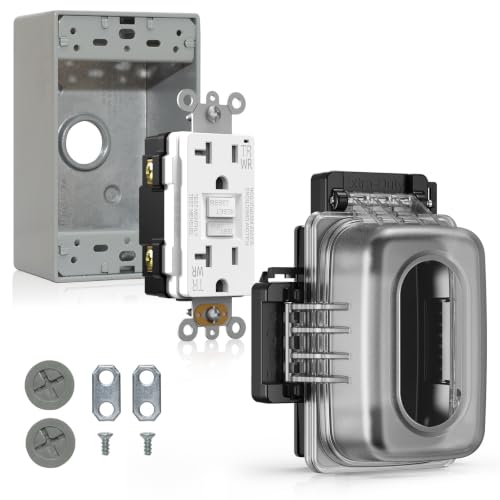
The single most common regret among outdoor outlet buyers is choosing a flip-lid cover when they actually need an in-use cover. A flip-lid closes only when nothing is plugged in. An in-use (sometimes called "bubble") cover has a deep hood that encloses the plug and cord, so the receptacle stays protected while in use. If you plan to leave holiday lights, a fountain pump, or a security camera plugged in for extended periods, the in-use cover is the practical choice. Our overview of the electrical outlet surface mount style is a useful companion read if you are mounting on masonry or siding.
GFCI Built-In vs. GFCI Upstream
A GFCI can live at the outdoor receptacle itself, or it can be a breaker in the panel that protects the whole circuit. A built-in GFCI at the outlet is convenient because you can test and reset it right at the point of use. A breaker-level GFCI protects multiple downstream receptacles but requires a trip to the panel to reset. Either satisfies code; the choice is about convenience and how the circuit is laid out.
GFCI Protection: The Non-Negotiable Safety Layer
A ground-fault circuit interrupter monitors the difference between current going out on the hot wire and returning on the neutral. In a healthy circuit, those are equal. If current leaks to ground — through water, a damaged cord, or a person — the imbalance trips the GFCI and cuts power. The trip happens fast enough to prevent serious injury in most situations.
Outdoors, ground faults are far more likely than indoors. Wet grass, puddles, damp soil, and condensation on cords all create leakage paths. That is why the NEC requires GFCI protection for outdoor receptacles, and why you should never "temporarily" bypass it. If an outdoor GFCI keeps tripping, the correct response is to find the fault — not to replace it with a standard receptacle.
Testing and Reset Routine
GFCI receptacles have TEST and RESET buttons. Press TEST monthly; the device should click off and cut power to the receptacle. Press RESET to restore. If the device will not reset, or if it trips immediately after reset with nothing plugged in, the GFCI itself or the wiring downstream needs attention. A GFCI that fails to trip when tested is no longer protecting you and should be replaced.
Weatherproof Covers, Boxes, and Enclosures
The cover and box are the receptacle's armor. Three details matter most:
- Cover type. Use an in-use cover where cords stay connected, a flip-lid where they do not. Both must be marked for wet or damp locations.
- Gaskets and seals. Foam or rubber gaskets must sit flush against the wall or box. A pinched or missing gasket turns a "weatherproof" cover into a funnel for water.
- Drainage direction. Mount the box so any water that enters can drain out. Never mount a box so it becomes a cup that holds water.
Surface-mount boxes are common for retrofits because they avoid cutting a large opening in masonry. They also make it easier to add a proper gasket and a deep in-use cover. If you are coordinating an outlet with other exterior electrical work, the principles are similar to those covered in our guide on the electrical outlet socket family of products.
Wiring, Amperage, and Placement Planning
Before choosing a receptacle, decide what it will power. A single outdoor outlet on a general-purpose circuit is fine for lights and small tools. But a dedicated circuit is the right call for high-draw equipment such as a heater, a large pump, or an EV charger. The amperage rating of the receptacle and the wire gauge must match the breaker — a 15A receptacle on a 20A circuit is acceptable in some configurations, but the reverse is not.
Placement deserves more thought than it usually gets. Consider:
- Height. Mount above expected snow line and above splash zones. Many installers place outdoor receptacles around 16–24 inches above grade, but local conditions and code amendments can change this.
- Distance from water. Keep receptacles away from pool edges, hot tubs, and irrigation heads unless the installation is specifically designed for those locations.
- Coverage. A single outlet on the back wall rarely serves the front yard. Plan for where you actually plug things in.
- Future load. If you are already trenching or opening a wall, adding capacity now is usually simpler than redoing the work later.
If the outdoor outlet is part of a larger exterior project — for example, supporting a ductless system — it helps to understand the broader installation picture covered in our ductless mini-split AC installation cost overview, which explains how electrical work fits into the overall project sequence.
When to Call a Licensed Electrician
Replacing a like-for-like outdoor receptacle is a reasonable DIY task for an experienced homeowner who is comfortable working safely with the breaker off. Running a new circuit, trenching conduit, adding a subpanel, or working inside a main panel are jobs for a licensed electrician. The stakes are high: improper outdoor wiring is a shock and fire hazard, and it can void insurance coverage. Permits are often required for new circuits, and an electrician will handle inspection coordination.
Maintenance Habits That Extend Outlet Life
Outdoor outlets degrade faster than indoor ones because of UV, moisture, and temperature cycling. A few simple habits make a real difference:
- Inspect gaskets seasonally. Replace cracked or compressed foam gaskets before rainy season.
- Keep covers closed. An in-use cover should be latched even when a cord is plugged in.
- Test GFCI monthly. A quick TEST/RESET cycle confirms protection is active.
- Look for corrosion. Green or white residue on contacts signals moisture intrusion; clean or replace the receptacle.
- Avoid strain. Do not let heavy cords hang from the receptacle; use a strain-relief hook or a cord cover.
- Clear debris. Leaves, mulch, and spider webs around the box trap moisture and invite pests.
If an outdoor receptacle shows heat discoloration, a burning smell, or repeated GFCI trips, stop using it and have it evaluated. These are early warnings that are far easier to address before failure.
Matching the Outlet to Your Exterior Equipment
The outdoor outlet rarely exists on its own. It usually supports a specific piece of equipment, and the outlet's rating should match that equipment's draw. A few common pairings:
- Portable cooling or heating. A dual hose portable air conditioner with heater draws more than a phone charger; check the nameplate amperage and match the circuit.
- Outdoor lighting and decorations. In-use covers are the practical choice for anything left connected.
- Pumps and fountains. GFCI protection is essential; these devices sit in or near water by design.
- EV charging. A dedicated circuit and a receptacle rated for continuous load are required; this is electrician territory.
If your outdoor electrical project is part of a broader upgrade — say, adding exterior cooling or an outdoor kitchen — the planning notes in our electrical outlet plugs reference can help you match plug types to receptacle configurations before you buy.
Frequently Asked Questions
Does an outdoor outlet need to be GFCI?
Yes. Outdoor receptacles must be GFCI-protected under the National Electrical Code, either at the receptacle or via an upstream GFCI breaker. This is one of the most consistent requirements across jurisdictions.
Can I use a regular indoor outlet outside?
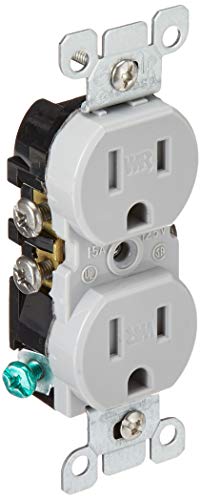
No. An indoor receptacle lacks the weather-resistant rating and is not designed for damp or wet locations. Even inside a weatherproof cover, an indoor receptacle can corrode and fail. Use a receptacle marked WR (weather-resistant) or equivalent.
What is the difference between a flip-lid and an in-use cover?
A flip-lid cover closes only when nothing is plugged in. An in-use (bubble) cover encloses the plug and cord so the receptacle stays protected while in use. Choose the in-use cover if you leave cords connected for long periods.
How high should an outdoor outlet be mounted?
Common practice is roughly 16–24 inches above grade, but local code amendments and snow depth can change this. Mount above splash and snow zones and confirm with your local authority having jurisdiction.
Can I install an outdoor outlet myself?
Replacing a like-for-like outdoor receptacle on an existing circuit is a reasonable DIY task for an experienced homeowner. Running new circuits, trenching conduit, or working in the electrical panel should be done by a licensed electrician.
Why does my outdoor GFCI keep tripping?
Repeated tripping usually indicates moisture intrusion, a damaged cord, or a failing GFCI. Never bypass the GFCI. Unplug all devices, reset, and if it still trips, have the circuit evaluated by an electrician.
What does "WR" mean on a receptacle?
WR stands for weather-resistant. It indicates the receptacle has been tested for exposure to moisture and UV and meets the requirements for outdoor use. Look for the WR marking on the device itself.
Is a smart outdoor outlet worth considering?
A smart outdoor outlet adds scheduling, app control, and sometimes energy monitoring. It is a high-end tier option that makes sense for lighting control and devices you want to automate. Confirm the smart module itself carries an appropriate weather rating.
Ready to Explore Outdoor Outlet Options?
Browse weather-resistant, GFCI-protected outdoor receptacles and covers selected for exterior durability and code compliance.
View Recommended ProductsFinal Checklist Before You Buy
- Confirm the receptacle is marked for outdoor use (WR or equivalent).
- Confirm GFCI protection is present, either at the device or upstream.
- Choose an in-use cover if cords will stay connected.
- Match receptacle amperage and wire gauge to the circuit breaker.
- Plan placement above splash and snow zones, away from pool edges.
- Check whether a permit is required for a new circuit in your area.
- Have a licensed electrician handle panel work and new circuit runs.
A well-chosen outdoor outlet is a long-term investment in convenience and safety. Get the GFCI, the weather-resistant rating, and the cover right, and the receptacle will quietly do its job through rain, heat, and cold for years. For related exterior electrical topics, you can also review our notes on the electrical outlet socket standards and the surface-mount outlet approach for masonry walls.