Home Energy Audit: A Complete Guide to Finding Hidden HVAC Inefficiencies
Discover how a professional or DIY home energy audit pinpoints air leaks, insulation gaps, and HVAC inefficiencies so you can cut energy waste and improve year-round indoor comfort.
START THE ENERGY AUDITWhy a home energy audit matters: Most homes lose a significant share of heating and cooling energy through duct leaks, poor insulation, and oversized or undersized equipment. A structured home energy assessment reveals exactly where energy is escaping, so every upgrade you make is targeted and effective rather than a guess.
What Is a Home Energy Audit?
A home energy audit is a systematic inspection of how your home uses and loses energy. Rather than focusing on a single appliance, the audit treats your house as one connected system: the building envelope, the ductwork for heating and air conditioning, the insulation, the windows, and the HVAC equipment itself. The goal is to identify the largest sources of energy waste and rank improvements by their impact.
For homeowners researching HVAC upgrades, an energy audit is often the smartest first step before any purchase. It answers a fundamental question: is the problem the equipment, or is it the house around it? A perfectly efficient system will still underperform if supply ducts leak into the attic or return air is restricted. An audit ensures your next investment — whether a repair, a sealing project, or a new unit — solves the actual problem.
Why Audits Matter for HVAC Efficiency
Heating and cooling typically represent the largest portion of a home's energy consumption. When that energy is wasted, the consequences show up in several ways: higher utility bills, uneven room temperatures, long run times, and premature equipment wear. A dedicated energy audit for HVAC isolates these issues with measurements rather than assumptions.
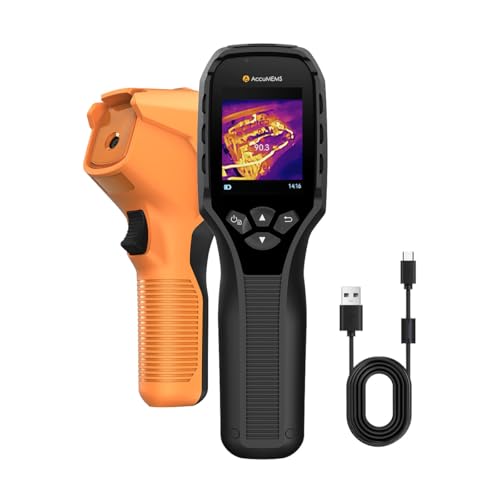
Auditors use tools like blower doors to quantify air infiltration, thermal cameras to find missing insulation, and duct pressure testing to locate leaks. These measurements convert vague complaints ("the upstairs is always hot") into specific, fixable findings. Once the audit is complete, you have a prioritized roadmap: seal the envelope first, then address ducts, then evaluate equipment sizing and efficiency.
Professional Audit vs. DIY Walkthrough
A professional audit produces calibrated data and a written report, while a DIY walkthrough relies on observation and simple tools. Both have value, and many homeowners begin with a self-inspection before booking a professional assessment.
Professional audit tools typically include:
- Blower door test: pressurizes the house to measure total air leakage and locate draft paths.
- Thermographic imaging: reveals insulation gaps, thermal bridging, and moisture issues invisible to the eye.
- Duct leakage testing: quantifies how much conditioned air escapes before reaching rooms.
- Combustion safety testing: verifies that gas appliances vent properly and pose no carbon monoxide risk.
- Equipment performance measurement: checks refrigerant charge, airflow, and static pressure.
DIY walkthrough focus areas: feel for drafts around outlets, windows, and doors; inspect attic insulation depth; look for disconnected or crushed ducts; and note rooms that never reach the thermostat setpoint. Documenting these issues helps a professional auditor focus their testing.
The Building Envelope: Air Sealing and Insulation
The building envelope is where most energy loss begins. Gaps around plumbing penetrations, recessed lights, attic hatches, and rim joists allow conditioned air to escape continuously. Sealing these paths is usually the highest-return improvement an audit identifies, because it protects every future efficiency upgrade.
Insulation works alongside air sealing. An auditor will check attic, wall, and crawlspace insulation for depth, coverage, and compression. Under-insulated attics are common and often the single largest thermal weakness in a home. Correcting both the air barrier and the thermal barrier keeps conditioned air where it belongs and reduces the load your HVAC system must carry.
Ductwork: The Hidden Efficiency Leak
Duct systems in attics, crawlspaces, and garages are exposed to extreme temperatures. Leaky joints and disconnected runs can lose a substantial portion of the air the system produces. An auditor uses pressure testing and visual inspection to map these losses. Sealing ducts with mastic and proper tape — not standard cloth duct tape — is a standard audit recommendation.
Duct design matters too. Oversized trunk lines, sharp turns, and undersized returns increase static pressure and reduce airflow, forcing the system to work harder. A thorough ductwork design guide review can identify whether your layout is contributing to poor performance. In homes with chronic duct problems, switching to a ductless mini-split system can eliminate the duct losses entirely while providing zoned comfort.
Evaluating HVAC Equipment and Sizing
After the envelope and ducts are assessed, the audit turns to the equipment. Two issues dominate: sizing and efficiency. An oversized air conditioner cools too quickly without removing enough humidity, cycles frequently, and wears prematurely. An undersized unit runs constantly and never satisfies the load. Auditors use load calculations — not rules of thumb — to verify correct capacity.
Efficiency ratings such as SEER2 and HSPF determine how much energy each unit consumes per unit of output. A common finding is that the equipment is fine but the installation, charge, or airflow is not. In those cases, tuning and repair deliver better results than replacement. When replacement is warranted, an auditor's report ensures the new system is correctly matched to the home's actual load.
If the audit points toward a new system, exploring energy-efficient heating and cooling options helps you compare efficiency tiers without overspending on capacity you do not need. For homes without existing ducts, ductless heating and air conditioning systems offer an efficient path forward. Where energy recovery is a priority, an energy recovery ventilator can improve ventilation without sacrificing conditioned air.
Step-by-Step Home Energy Audit Checklist
Use this sequence to organize either a DIY inspection or a conversation with a professional auditor:
- Review energy usage history: compare monthly bills across seasons to identify anomalies.
- Walk the exterior: check for gaps at doors, windows, and utility penetrations.
- Inspect the attic: verify insulation depth, air sealing at penetrations, and duct condition.
- Test drafts: use a smoke pencil or incense near outlets, switches, and trim.
- Examine ductwork: look for disconnections, crushed flex duct, and unsealed joints.
- Check equipment: note the age, model, and filter condition of the HVAC system.
- Observe comfort patterns: record which rooms vary most from the thermostat setting.
- Schedule professional testing: book a blower door and duct leakage assessment for hard numbers.
Interpreting Audit Results and Prioritizing Upgrades
Audit reports typically rank findings by impact. Envelope sealing and insulation usually come first because they reduce the load that every other system must handle. Duct sealing follows, particularly in homes with ducts in unconditioned spaces. Equipment tuning or replacement comes after the house itself is addressed.
This sequencing prevents a common mistake: replacing a functioning system only to have the new equipment struggle against the same leaks and pressure problems. A structured approach to energy efficiency HVAC improvements builds from the envelope outward, so each investment reinforces the last.
Common Signs Your Home Needs an Energy Audit
- Utility bills that climb without a change in habits or weather.
- Rooms that never reach the thermostat setpoint.
- Noticeable drafts near windows, doors, or outlets.
- Excessive dust, which often indicates duct leakage.
- HVAC equipment that runs constantly or short-cycles.
- Hot or cold spots between floors.
- High indoor humidity in summer.
- An HVAC system over a decade old with no recent inspection.
Frequently Asked Questions
How often should a home energy audit be performed?
Every three to five years is a reasonable interval, and again after major renovations, before replacing HVAC equipment, or whenever energy usage rises unexpectedly.
Can an energy audit reduce energy waste without replacing equipment?
Yes. Air sealing, insulation upgrades, and duct repairs frequently deliver measurable improvements using the existing system, which is why auditors recommend them first.
What is the difference between a home energy audit and an HVAC tune-up?
A tune-up services the equipment itself. An audit evaluates the whole house — envelope, ducts, insulation, and equipment — to find where energy is lost before it reaches the system.
Do I need a professional auditor or can I do it myself?
A DIY walkthrough identifies obvious issues and prepares useful questions. A professional audit adds calibrated testing, such as blower door and duct leakage measurement, that DIY tools cannot replicate.
What should I do first after receiving an audit report?
Address air sealing and insulation first, then duct repairs, then equipment tuning or replacement. This order maximizes the benefit of every subsequent step.
Final Thoughts
A home energy audit converts guesswork into a prioritized plan. For homeowners preparing to upgrade their cooling or heating system, it is the step that ensures the new equipment performs as designed. Start with the envelope and ducts, verify sizing with real load calculations, and choose efficiency tiers that match your climate and usage. Learn first, understand your home's actual needs, then invest with confidence.