Energy Recovery Ventilator: A Complete Guide for Healthier Indoor Air
Discover how an energy recovery ventilator brings fresh air into your home while keeping the heat and moisture balanced — so your air conditioner works smarter, not harder.
Start LearningWhy this guide matters: Modern homes are sealed tightly for efficiency, which is excellent for your energy bills but can trap stale air, excess humidity, and indoor pollutants. An energy recovery ventilator (ERV) solves this dilemma by providing continuous balanced ventilation without throwing away the conditioned air you already invested in. If you are researching before a purchase, this page gives you the full picture — how ERVs work, how they pair with your AC, and what to look for in a unit.
What Is an Energy Recovery Ventilator?
An energy recovery ventilator is a mechanical ventilation system that continuously exchanges stale indoor air with fresh outdoor air. Unlike a simple exhaust fan that pulls air out and lets outside air leak in through random gaps, an ERV uses a balanced approach: it draws in fresh air at roughly the same rate it exhausts stale air. The key component is the energy recovery core, a heat-exchange module that transfers heat and moisture between the two airstreams.
In summer, the ERV pre-cools and dehumidifies incoming outdoor air using the cooler, drier exhaust air. In winter, it warms and humidifies the incoming air using the exhaust stream. The result is fresher indoor air with far less strain on your heating and cooling equipment. This is why ERVs are often grouped with other energy recovery unit HVAC technologies that improve efficiency while maintaining comfort.
How Does an Energy Recovery Ventilator Work?
An ERV operates through a set of ducted airstreams that pass through a recovery core. Here is the simplified sequence:
- Fresh air intake: Outdoor air is pulled in through a dedicated duct.
- Exhaust air outlet: Stale indoor air is pushed out through a separate duct.
- Core exchange: Inside the core, heat and moisture move from the warmer, more humid airstream to the cooler, drier one (or vice versa in winter). The two airstreams do not mix physically.
- Distribution: The conditioned fresh air is delivered to living spaces, while the exhaust air leaves the building.
Because the system is balanced, it maintains neutral pressure in the home, which helps prevent backdrafting of combustion appliances and reduces random air infiltration. When paired with a ducted air conditioner, the ERV can feed fresh air into the return duct so the AC distributes it throughout the home. If you are exploring ducted comfort systems, the ductless vs ducted AC comparison is a helpful companion read.
ERV vs HRV: What Is the Difference?
Both are balanced ventilation systems, but they handle moisture differently. The table below summarizes the practical differences:
| Feature | Energy Recovery Ventilator (ERV) | Heat Recovery Ventilator (HRV) |
|---|---|---|
| Heat transfer | Yes | Yes |
| Moisture transfer | Yes — manages humidity | No — moisture passes through |
| Best climate | Humid summers and mixed climates | Cold, dry winters |
| AC interaction | Reduces latent and sensible load | Reduces sensible load only |
| Typical application | Tight, modern homes with AC | Heating-dominated homes |
If you live in a region with hot, sticky summers and rely heavily on air conditioning, an ERV is usually the better fit because it helps manage humidity while ventilating. HRVs are more common in cold climates where winter dryness is the main concern.
Key Benefits of an Energy Recovery Ventilator
Better Indoor Air Quality
Continuous fresh air dilutes VOCs, cooking odors, and carbon dioxide while filtering incoming air. This supports healthier indoor air, especially in tightly sealed homes.
Reduced AC Workload
By pre-conditioning incoming air, the ERV lowers the temperature and humidity load on your air conditioner, helping it run more efficiently.
Moisture Control
In humid climates, an ERV transfers moisture from incoming air to the exhaust stream, helping keep indoor humidity in a comfortable range.
Balanced Ventilation
Supply and exhaust are matched, maintaining neutral pressure and reducing random drafts and infiltration through the building envelope.
Energy Efficiency
The recovery core captures energy that would otherwise be lost, which is why ERVs are part of many energy efficiency HVAC strategies.
Year-Round Comfort
In winter, the ERV warms incoming air; in summer, it cools and dehumidifies. The result is consistent comfort without open windows.
Types of Energy Recovery Ventilators
ERVs are available in several configurations to fit different homes and installation constraints:
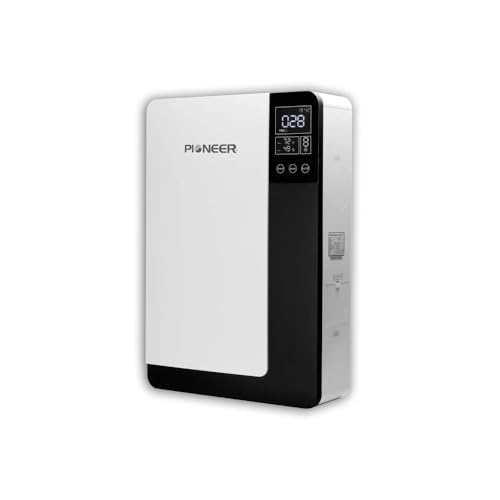
- Whole-house ducted ERV: Integrated with your central HVAC ductwork. The most common choice when paired with a central air conditioner, because it distributes fresh air throughout the home.
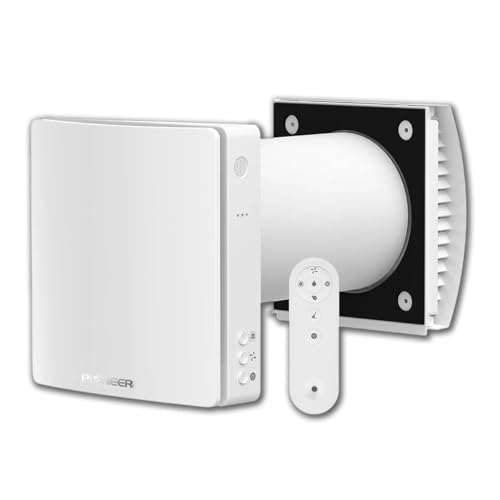
- Ductless or point-of-use ERV: Small through-wall units that ventilate a single room. These suit homes without ductwork — if you are considering ductless comfort equipment, the ductless HVAC systems guide explains how these systems fit together.
- Packaged ERV with AC integration: Some systems combine the ERV core with a dedicated air handler. These are popular in new construction and retrofit projects where the ventilation path is designed alongside the AC.
- Commercial-grade ERV: Larger units with higher airflow, used in offices, schools, and multi-family buildings where ventilation codes require continuous fresh air.
For homes that already use a mini-split system, a standalone ERV can be installed independently, and its fresh-air outlets can be positioned to complement the ductless mini-split zones. If you are planning a ducted layout, the ductwork design guide covers airflow and routing considerations that matter for both the AC and the ERV.
How to Size an Energy Recovery Ventilator
Correct sizing ensures the ERV delivers enough fresh air without over-ventilating and wasting energy. Two common approaches are used:
- Air changes per hour (ACH): A common baseline is about 0.35 ACH for the whole home. Multiply the home volume in cubic feet by 0.35, then divide by 60 to get the target airflow in cubic feet per minute (CFM).
- Per-person ventilation: Standards such as ASHRAE 62.2 specify ventilation rates based on the number of bedrooms and occupants. This method is more precise and is often required for code compliance.
In practice, the best approach is to have a qualified HVAC contractor perform a ventilation load calculation. The ERV should be matched to your home's volume, occupancy, and climate. Undersized units fail to deliver adequate fresh air, while oversized units can over-dry the home in winter and waste energy. If you are also sizing a cooling system, the AC sizing guide follows a similar principle: match capacity to the actual load.
How an ERV Works With Your Air Conditioner
An ERV does not replace your air conditioner; it complements it. Think of the AC as the system that removes heat and humidity, and the ERV as the system that supplies fresh, pre-conditioned air. When the two are integrated, the ERV's fresh-air outlet feeds into the return duct, and the AC's blower distributes the mixed air throughout the home.
This integration offers several advantages:
- Lower latent load: The ERV removes some moisture from incoming air before it reaches the AC, reducing the dehumidification burden.
- More consistent temperatures: Continuous ventilation prevents stale pockets of air and helps even out room-to-room conditions.
- Better filter use: A dedicated ERV filter captures pollen and particles before the air enters the core, protecting the core and improving indoor air quality.
If your home uses a ductless mini-split rather than central air, a standalone ERV is still viable. The ductless mini-split AC and heat pump guide explains how those systems are configured, which helps when planning a ventilation strategy that works alongside them. You can also explore energy-efficient mini-split options if efficiency is a priority.
Installation Considerations
An ERV installation involves ducting, electrical connections, and careful placement of the core unit. Key considerations include:
- Location: Install the ERV in a conditioned space such as a utility room or attic (if the attic is within the thermal envelope). Avoid unconditioned spaces that could cause condensation or freeze the core.
- Duct routing: Keep fresh-air and exhaust ducts as short and direct as possible. Insulate ducts that pass through unconditioned areas to prevent condensation.
- Balance: The supply and exhaust airflow must be balanced during commissioning. A contractor should measure and adjust the system to the design airflow.
- Controls: Many ERVs offer variable-speed operation and humidity-based controls. A ductless thermostat or compatible control can coordinate ventilation with your comfort settings.
If you are installing a new cooling system at the same time, it helps to plan both together. The ductless heating and cooling installation guide and the ductless mini-split AC installation guide provide useful context on how ventilation and comfort equipment are coordinated.
Maintenance Tips for Long-Term Performance
An ERV is a low-maintenance system, but regular care keeps it efficient:
- Clean or replace filters: Most ERVs have washable or replaceable filters. Check them every one to three months, depending on dust levels.
- Inspect the core: The recovery core should be cleaned according to the manufacturer's schedule. Rinse gently and let it dry completely before reinstalling.
- Check drain lines: In cooling mode, condensate may form. Ensure the drain pan and line are clear.
- Verify airflow: An annual check of airflow and balance helps maintain performance. If you notice reduced ventilation, a clogged filter or duct is a common cause.
Regular maintenance also supports the longevity of your air conditioner. For broader seasonal care, the energy-saving tips for AC are a useful supplement.
Choosing the Right ERV for Your Home
ERVs can be grouped by market position rather than by a specific figure, which helps you compare options without focusing on transactions. Here is a practical way to think about the tiers:
| Tier | Best For | Typical Characteristics |
|---|---|---|
| Entry-level | Small homes or single-room ventilation | Basic core, manual controls, straightforward installation |
| Mid-range | Whole-house retrofits and new builds | Variable speed, better filters, humidity sensing, quieter operation |
| Premium | High-performance and tightly sealed homes | High-efficiency core, advanced controls, smart integration, robust filtration |
| Commercial-grade | Multi-family, offices, and commercial spaces | Higher airflow, heavy-duty construction, code-compliant ventilation |
For most homes, a mid-range unit offers a strong balance of performance and features. If your priority is indoor air quality, look for models with higher-grade filtration and smart controls that respond to humidity. If your home is already energy-efficient, a premium ERV can help you maintain that performance over the long term.
Frequently Asked Questions
What is an energy recovery ventilator?
An ERV is a balanced ventilation system that brings fresh outdoor air into a home while exhausting stale indoor air. It transfers both heat and moisture between the two airstreams, keeping indoor conditions comfortable and reducing the load on your air conditioner.
What is the difference between an ERV and an HRV?
An ERV transfers both heat and moisture, while a heat recovery ventilator (HRV) transfers heat only. ERVs are generally better in humid climates because they help control moisture, whereas HRVs suit cold, dry climates where retaining heat is the priority.
How does an ERV work with an air conditioner?
The ERV conditions incoming fresh air before it enters the living space, reducing the temperature and humidity load on your air conditioner. This lets the AC run more efficiently while the home still receives continuous filtered fresh air.
How do I size an energy recovery ventilator?
ERVs are typically sized by airflow in cubic feet per minute (CFM) based on home volume and occupancy. A common guideline is around 0.35 air changes per hour, but a proper Manual J or ventilation load calculation is recommended for accuracy.
Does an ERV reduce energy consumption?
Yes. By recovering heat and moisture from exhaust air, an ERV reduces the energy needed to condition incoming fresh air. This can lower the workload on heating and cooling equipment over the long run.
Ready to Improve Your Indoor Air?
An energy recovery ventilator is a long-term investment in comfort, health, and efficiency. Explore the options below to find the configuration that fits your home and your climate.
Explore ERV OptionsRelated Guides for Your Home Comfort Journey
Ventilation is one part of a complete comfort strategy. These guides will help you connect the dots:
- Energy efficiency HVAC — how ventilation and efficiency work together.
- Ductwork design guide — airflow planning for ERVs and AC systems.
- Ductless HVAC systems — how ductless setups pair with ventilation.
- How to size an air conditioner — matching cooling capacity to your load.
- Energy-saving tips for AC — practical habits for lower energy use.
If you are still deciding between ducted and ductless cooling, the ductless vs ducted AC comparison can help you evaluate which approach aligns with your home's layout and your ventilation plans.