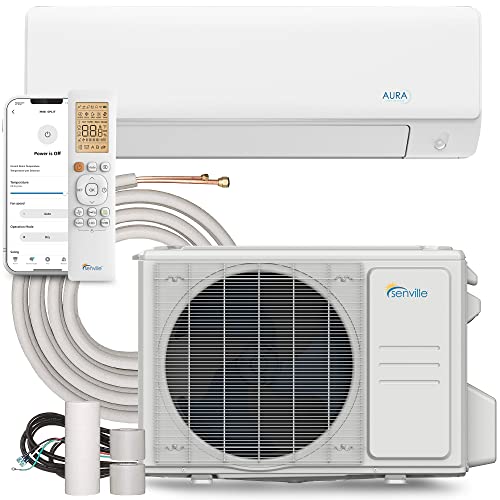
Energy Star Mini Split: The Complete Guide to Efficient Ductless Comfort
Everything you need to know about Energy Star certified mini split systems — how they work, why certification matters, and how to choose the right model for your home.
Start ReadingWhy Energy Star matters: An Energy Star mini split is not just another ductless system — it is a verified investment in long-term efficiency. This guide walks you through certification requirements, real-world performance expectations, installation considerations, and maintenance practices so you can make a confident, informed decision.
What Is an Energy Star Mini Split?
An Energy Star mini split is a ductless heating and cooling system that has earned certification from the U.S. Environmental Protection Agency (EPA) and the Department of Energy (DOE). This certification is awarded only to products that meet or exceed strict energy efficiency specifications, meaning the system delivers the same level of comfort while using significantly less electricity than non-certified models.
Unlike traditional central air systems that rely on extensive ductwork, a mini split consists of an outdoor compressor unit connected to one or more indoor air-handling units via a small conduit. This design eliminates duct losses, which can account for a substantial portion of energy waste in conventional systems. When you combine the ductless advantage with Energy Star certification, you get one of the most efficient comfort solutions available today.
The Energy Star program regularly updates its requirements to reflect advancing technology and stricter environmental goals. For mini splits, the certification threshold is based on SEER2 (Seasonal Energy Efficiency Ratio 2), EER2 (Energy Efficiency Ratio 2), and HSPF2 (Heating Seasonal Performance Factor 2) ratings. Systems that qualify typically exceed the minimum federal standards by a meaningful margin, ensuring that your investment delivers measurable savings over its lifespan.
How Energy Star Certification Works for Mini Splits
Energy Star certification for mini split systems is not a one-time label — it is a commitment to verified performance. Manufacturers must submit their products for independent testing, and only those that meet the program's stringent criteria receive the Energy Star mark. The certification covers both cooling and heating efficiency, which is particularly important for heat pump mini splits that operate year-round.
The key metrics used to evaluate mini split efficiency include:
- SEER2: Measures cooling efficiency over an entire season. Higher values indicate greater efficiency. Energy Star certified ductless systems must meet a minimum SEER2 threshold that is updated periodically.
- EER2: Measures efficiency at peak cooling conditions. This is especially relevant in hot climates where the system runs at full capacity during the hottest part of the day.
- HSPF2: Measures heating efficiency for heat pump models. A higher HSPF2 means the system delivers more heat per unit of electricity consumed during the heating season.
It is worth noting that the "2" in these ratings refers to the updated testing procedures introduced by the DOE. Older SEER, EER, and HSPF ratings are still sometimes referenced, but the newer metrics provide a more accurate picture of real-world performance. When comparing models, always look for the updated ratings to ensure an apples-to-apples comparison.
Certification Tip
Not all mini splits with high efficiency ratings are Energy Star certified. Always verify the certification on the official Energy Star product database or look for the blue Energy Star label on the unit and packaging. Certification is your assurance that the product has been independently tested and meets the program's current requirements.
Benefits of Choosing an Energy Star Mini Split
The advantages of an Energy Star certified mini split extend well beyond the initial purchase. Here is a breakdown of the most significant benefits:
1. Substantial Energy Savings
Energy Star certified mini splits are designed to consume significantly less electricity than standard models while delivering the same cooling and heating output. Depending on your climate, usage patterns, and the efficiency of your previous system, you may notice a meaningful reduction in your monthly utility statements. Over the lifespan of the system, these savings compound into a considerable return on your investment.
Because mini splits eliminate duct losses, they already have an efficiency advantage over central systems. Energy Star certification adds another layer of assurance that the compressor, refrigerant circuit, and fan components are optimized for peak performance.
2. Environmental Responsibility
Lower energy consumption translates directly into a smaller carbon footprint. Energy Star certified systems use less fossil-fuel-derived electricity, which reduces greenhouse gas emissions associated with power generation. Many certified mini splits also use environmentally friendlier refrigerants with lower global warming potential, aligning with broader efforts to phase down high-GWP refrigerants.
3. Access to Incentives and Rebates
Federal tax credits, state-level programs, and local utility rebates are frequently tied to Energy Star certification. While the exact incentives vary by region and change over time, choosing a certified system positions you to take advantage of these programs. In many cases, the combined incentives can offset a meaningful portion of the installation investment. Be sure to check the official Energy Star website and your local utility provider for current offers.
4. Quieter Operation
Energy Star certified mini splits often feature advanced inverter compressors and variable-speed fans that operate more smoothly and quietly than conventional single-speed systems. Instead of cycling on and off at full blast, these systems modulate their output to maintain a consistent temperature, resulting in less noise and more stable comfort. This is particularly valuable in bedrooms, home offices, and open-plan living areas.
5. Improved Humidity Control
Variable-speed operation allows Energy Star mini splits to run for longer periods at lower capacity, which improves dehumidification. Rather than blasting cold air for a short time and then shutting off, the system gently removes moisture from the air while maintaining the set temperature. This leads to a more comfortable indoor environment, especially in humid climates.
6. Long-Term Reliability
To earn Energy Star certification, manufacturers must demonstrate that their systems meet rigorous performance and durability standards. While certification does not guarantee a specific lifespan, it is a strong indicator that the product has been engineered for reliable, long-term operation. Combined with proper maintenance, an Energy Star mini split can provide dependable comfort for many years.
Types of Energy Star Mini Split Systems
Energy Star certification is available across several mini split configurations, each suited to different installation scenarios and comfort needs. Understanding the distinctions will help you choose the right system for your home.
Single-Zone Mini Split
One outdoor unit connected to one indoor head. Ideal for cooling or heating a single room, addition, or open living space.
Multi-Zone Mini Split
One outdoor unit connected to multiple indoor heads. Perfect for conditioning several rooms independently without multiple outdoor units.
Mini Split Heat Pump
Provides both cooling and heating. Energy Star certified heat pump models deliver efficient year-round comfort in moderate climates.
Ducted Mini Split
Uses short duct runs to distribute conditioned air to multiple rooms from a concealed indoor unit. Good for whole-floor comfort.
Ceiling Cassette Mini Split
Recessed into the ceiling for a clean, unobtrusive look. Distributes air in multiple directions for even comfort.
Floor-Mounted Mini Split
Installed low on the wall or floor. A practical choice for rooms with limited upper-wall space or sloped ceilings.
Each of these configurations can be Energy Star certified, provided the specific model meets the program's efficiency requirements. When shopping, confirm that the exact model number appears in the Energy Star product database, as certification can vary even within the same product family.
How to Choose the Right Energy Star Mini Split for Your Home
Selecting the right Energy Star mini split involves more than picking the highest efficiency rating. You need to match the system's capacity to your space, consider your climate, and think about long-term maintenance. Here is a practical framework to guide your decision.
Step 1: Determine the Right Capacity
Mini split capacity is measured in BTUs (British Thermal Units). An undersized system will struggle to maintain comfort on hot days, while an oversized system will cycle frequently, leading to uneven temperatures and higher humidity. A professional load calculation (often based on Manual J) is the most accurate way to size a system, but you can get a rough estimate using square footage and climate factors.
As a general guideline, the following BTU ranges are commonly used:
- Up to 150 sq ft: 5,000 – 6,000 BTU
- 150 – 250 sq ft: 8,000 – 10,000 BTU
- 250 – 400 sq ft: 12,000 – 14,000 BTU
- 400 – 600 sq ft: 18,000 – 24,000 BTU
- 600 – 1,000 sq ft: 30,000 – 36,000 BTU
Keep in mind that ceiling height, insulation quality, window area, sun exposure, and occupancy all influence the actual load. A professional assessment is always recommended before finalizing your choice.
Step 2: Check the Efficiency Ratings
Once you have a capacity range in mind, compare SEER2, EER2, and HSPF2 ratings among Energy Star certified models. Higher ratings generally indicate better efficiency, but the difference between a mid-tier certified model and a top-tier certified model may not always justify the additional investment for every household. Consider your climate: in hot regions, EER2 is particularly important; in cooler regions where heating is a priority, HSPF2 deserves more attention.
For a deeper understanding of how these ratings work, see our guide on energy-efficient mini split air conditioners.
Step 3: Decide Between Single-Zone and Multi-Zone
If you only need to condition one room, a single-zone system is the simplest and most efficient choice. If you want to condition multiple rooms, a multi-zone system can be more practical and visually cleaner, since it requires only one outdoor unit. However, multi-zone systems can be more complex to install and may have slightly lower efficiency when only one zone is running. Weigh your comfort needs against installation complexity before deciding.
Step 4: Consider Your Climate
Energy Star mini split heat pumps are most efficient in mild to moderate climates. In areas with prolonged sub-freezing temperatures, you may need a cold-climate heat pump model that is specifically designed to maintain capacity in low ambient conditions. Always check the system's rated operating range to ensure it will perform reliably in your region.
Step 5: Plan for Installation and Maintenance
Proper installation is critical to the performance and longevity of any mini split system. A poorly installed unit can underperform even if it carries the Energy Star label. Choose a licensed HVAC contractor with experience installing ductless systems, and ask about warranty terms and service availability. For a detailed look at installation considerations, see our guide on Energy Star mini split heat pumps.
Energy Star Mini Split vs. Non-Certified Models
To understand the value of Energy Star certification, it helps to compare certified and non-certified mini splits directly. The table below outlines the key differences.
| Feature | Energy Star Certified | Non-Certified |
|---|---|---|
| Efficiency Verification | Independently tested and verified | Manufacturer-reported only |
| Minimum SEER2 | Meets or exceeds Energy Star threshold | May meet only federal minimum |
| Energy Savings | Typically 20%+ better than standard models | Varies; often lower efficiency |
| Incentive Eligibility | Often qualifies for tax credits and rebates | Rarely qualifies |
| Environmental Impact | Lower emissions due to reduced energy use | Higher emissions |
| Market Position | Mid-range to top-tier | Entry-level |
The comparison makes it clear that Energy Star certification is more than a marketing label — it is a reliable indicator of verified performance. While non-certified models may have a lower upfront position in the market, they often lack the efficiency guarantees and incentive eligibility that come with certification.
Installation Considerations for Energy Star Mini Splits
Proper installation is essential to realizing the full efficiency benefits of an Energy Star mini split. Even the most efficient system will underperform if it is incorrectly sized, poorly mounted, or connected with substandard refrigerant lines. Here are the key factors to consider:
- Professional sizing: Insist on a room-by-room load calculation rather than a rule-of-thumb estimate. This ensures the system matches your actual heating and cooling needs.
- Indoor unit placement: The indoor head should be positioned to allow unobstructed airflow across the room. Avoid placing it directly above heat sources or in corners where air can stagnate.
- Outdoor unit placement: The outdoor unit needs adequate clearance for airflow and should be mounted on a stable, level surface. Avoid enclosing it in tight spaces or exposing it to direct snow accumulation.
- Refrigerant line routing: Keep line lengths within manufacturer specifications and ensure proper insulation to prevent energy loss and condensation issues.
- Electrical requirements: Verify that your electrical panel can support the system's requirements. Some mini splits require a dedicated circuit, and improper wiring can void warranties and create safety hazards.
- Permits and codes: Many jurisdictions require permits for HVAC installations. Work with a contractor who is familiar with local codes and can handle the permitting process correctly.
For a broader look at installation planning, see our resources on Energy Star ductless mini split systems and ductless mini split technology.
Maintenance Tips to Keep Your Energy Star Mini Split Efficient
Regular maintenance is key to preserving the efficiency and lifespan of your Energy Star mini split. Neglected systems can lose a significant portion of their rated performance over time, eroding the savings you invested in. Follow these practices to keep your system running at its best:
Clean or Replace Filters Regularly
Dirty filters restrict airflow and force the system to work harder, reducing efficiency and potentially causing the indoor coil to freeze. Check filters every month during peak use and clean or replace them as needed. Most indoor heads have washable filters that can be rinsed with water and dried before reinstalling.
Keep the Outdoor Unit Clear
The outdoor unit needs unobstructed airflow to release heat efficiently. Remove leaves, grass clippings, and other debris from around the unit. Trim vegetation back at least a couple of feet on all sides, and avoid stacking items against the unit.
Schedule Annual Professional Service
A qualified technician should inspect your system at least once a year. Professional maintenance typically includes checking refrigerant levels, cleaning coils, inspecting electrical connections, and verifying overall performance. Regular tune-ups help catch minor issues before they become major problems. For related guidance, see our article on cost of HVAC tune-up.
Monitor Performance
Pay attention to changes in cooling or heating performance, unusual noises, or increased energy usage. If you notice anything out of the ordinary, have the system inspected promptly. Early intervention can prevent more extensive repairs down the line.
Keep Indoor Coils Clean
Over time, dust and debris can accumulate on the indoor coil, reducing heat transfer efficiency. While some cleaning can be done by a homeowner, deep cleaning is best left to a professional who has the right tools and training.
Energy Star Mini Split Heat Pumps: A Dual-Purpose Solution
Many Energy Star certified mini splits are heat pumps, meaning they provide both cooling and heating from the same system. In cooling mode, they function like a standard air conditioner, extracting heat from indoor air and releasing it outside. In heating mode, they reverse the process, extracting heat from outdoor air and transferring it indoors — even in cold weather.
This dual-purpose capability makes Energy Star mini split heat pumps an attractive option for homeowners who want year-round comfort without installing separate heating and cooling systems. They are particularly well-suited to climates with mild to moderate winters, where gas or electric resistance heating can be replaced with a more efficient alternative.
If you are exploring heat pump options, our guides on Energy Star mini split heat pump systems and Energy Star HVAC equipment provide additional context on efficiency ratings, incentives, and installation considerations.
Common Mistakes to Avoid When Buying an Energy Star Mini Split
Even informed buyers can fall into common traps when shopping for a mini split. Here are some mistakes to watch for:
- Assuming all certified models are equally efficient. Certification sets a minimum threshold, but models within the certified category can vary widely in SEER2, EER2, and HSPF2 ratings. Compare the actual numbers to find the right balance for your needs.
- Oversizing the system. Bigger is not better when it comes to air conditioning. An oversized system will cool the space too quickly without adequately removing humidity, leading to a clammy, uncomfortable environment. It will also cycle on and off more frequently, increasing wear and tear.
- Ignoring installation quality. A top-tier certified system installed poorly will not deliver its rated efficiency. Do not choose a contractor based solely on the lowest bid — prioritize experience, certifications, and warranty support.
- Neglecting maintenance. An Energy Star label does not mean the system is maintenance-free. Without regular care, even the most efficient system will gradually lose performance.
- Forgetting about permits and codes. Unpermitted installations can cause problems during home sales, insurance claims, and warranty service. Always ensure the work is properly permitted and inspected.
- Skipping the load calculation. Rule-of-thumb sizing can lead to comfort problems and wasted energy. Insist on a proper load calculation before committing to a system.
Frequently Asked Questions About Energy Star Mini Splits
What is an Energy Star mini split?
An Energy Star mini split is a ductless air conditioning and heating system that has earned the Energy Star certification from the U.S. Environmental Protection Agency for meeting strict energy efficiency guidelines. These systems deliver significant energy savings without compromising performance or comfort.
How much can I save with an Energy Star mini split?
Energy Star certified mini split systems can reduce energy consumption by 20% to 40% compared to non-certified models. Actual savings depend on usage patterns, climate, home insulation, and system size, but most homeowners experience noticeable reductions in their monthly utility statements.
Do Energy Star mini splits qualify for tax credits?
Yes, qualifying Energy Star mini split heat pumps may be eligible for federal tax credits and local utility rebates. The exact incentives vary by region and change annually, so check the official Energy Star website and your local utility provider for the most current information.
How long do Energy Star mini split systems last?
With proper maintenance, an Energy Star mini split system typically lasts 15 to 20 years. Regular filter cleaning, annual professional inspections, and keeping the outdoor unit free of debris will help maximize the lifespan of your investment.
Can an Energy Star mini split heat and cool?
Yes, most Energy Star mini split systems are heat pumps that provide both cooling in summer and efficient heating in winter. They work by transferring heat rather than generating it, making them highly efficient in mild to moderate climates.
What SEER2 rating should an Energy Star mini split have?
As of recent standards, Energy Star certified mini splits must meet a minimum SEER2 rating of 15.2 for most ductless systems. However, the highest-performing models exceed 20 SEER2, delivering exceptional efficiency and long-term energy savings.
Ready to Choose Your Energy Star Mini Split?
Explore our curated selection of top-rated Energy Star certified mini split systems below. Each model has been evaluated for efficiency, reliability, and real-world performance.
View Recommended Models