Estimate to Install Central Air Conditioning
A complete guide to understanding the factors, sizing, and planning involved when getting an estimate for central air conditioning installation in your home.
Explore the GuidePlanning a central AC installation? An estimate to install central air conditioning is more than a single figure — it is the result of several variables including home size, ductwork condition, system capacity, efficiency tier, and local labor. This guide helps you prepare for a professional assessment and understand what to expect.
Why a Proper Estimate Matters
Central air conditioning is a significant home system. A well-prepared estimate ensures the equipment is correctly sized, the installation is safe, and the system performs efficiently over its service life. Underestimating capacity leads to poor comfort; overestimating can cause short cycling and excess humidity. A professional estimate considers your home as a whole — not just the outdoor unit.
Before installation, it is worthwhile to review how refrigerant handling is regulated — our guide on EPA refrigerant handling explains the compliance requirements technicians must follow. If you are also comparing replacement scenarios, see our overview of an estimate for AC replacement to understand how replacement differs from a new install.
Key Factors That Shape the Estimate
Home Size & Layout
Square footage, number of rooms, ceiling height, and layout all influence the required system capacity and ductwork design. Multi-story homes may need zoning considerations.
Ductwork Condition
Existing ducts may need sealing, repair, or full replacement. Leaky or undersized ducts reduce efficiency and can void the benefits of a high-efficiency system.
System Capacity (Tonnage)
Capacity is determined by a Manual J load calculation, not guesswork. Correct tonnage ensures comfort and energy performance across seasons.
Efficiency Tier
Entry-level, mid-range, and premium tiers differ in seasonal efficiency, noise levels, and feature sets. Higher tiers are efficient in the long run for heavy usage.
Electrical & Panel Capacity
The electrical panel may need upgrades to support the new condenser and air handler. A licensed electrician assessment is often part of the estimate.
Labor & Local Codes
Permits, inspections, and local labor rates vary by region. A reputable contractor includes these items transparently in the estimate.
Sizing: The Foundation of the Estimate
An accurate estimate begins with proper sizing. Contractors use a load calculation (often Manual J) that accounts for insulation, window area and orientation, air infiltration, climate zone, and occupancy. Sizing by square footage alone is unreliable. If you want to understand how sizing works for different systems, our guide on how to size an air conditioner provides the fundamentals.
For homes pursuing high-efficiency goals, pairing correct sizing with an ENERGY STAR certified system can improve long-term performance. Explore ENERGY STAR qualified air conditioners to see how efficiency tiers compare across the market.
Efficiency Tiers at a Glance
| Tier | Best For | Typical Characteristics |
|---|---|---|
| Entry-level | Basic comfort, moderate usage | Meets minimum efficiency standards, standard features, solid build |
| Mid-range | Balanced performance and efficiency | Higher seasonal efficiency, quieter operation, improved controls |
| Premium / high-end tier | Long-term efficiency, quiet comfort | Top-tier efficiency, advanced features, premium materials, variable-speed options |
The Installation Process: What to Expect
- On-site assessment: A technician evaluates your home, existing ducts, electrical panel, and placement options for the indoor and outdoor units.
- Load calculation and system selection: The contractor performs a load calculation and recommends a system capacity and efficiency tier that fits your home and usage.
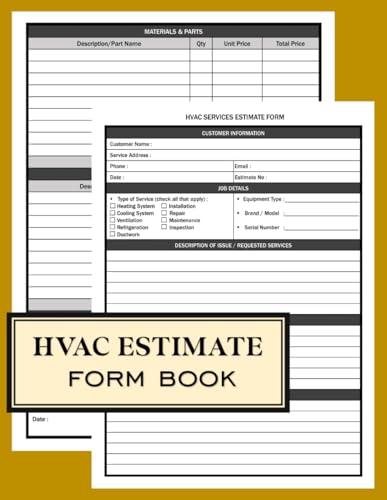
- Written estimate: You receive a detailed breakdown including equipment, labor, ductwork modifications, permits, and any electrical work.
- Permits and scheduling: Required permits are obtained, and installation is scheduled. Ask about warranty registration during this stage.
- Installation day(s): The team installs the condenser, air handler or furnace coil, refrigerant lines, thermostat, and any duct modifications. Electrical connections are completed by a qualified technician.
- Testing and commissioning: The system is charged, airflow is balanced, and operation is verified. Review the first week after AC installation checklist to know what to monitor.
- Walkthrough and documentation: The installer explains controls, maintenance, and warranty terms, and provides documentation for future service.
Related Estimates and Planning Resources
Central AC installation is often compared with other home comfort investments. Our resources on estimated cost for central air conditioning and estimated cost of central air installation provide additional planning context for budgeting discussions with contractors.
If you are also considering a broader HVAC upgrade, see the estimate HVAC replacement cost guide. For homes exploring ductless alternatives, the ENERGY STAR mini split heat pump overview explains how ductless systems compare in efficiency and installation scope.
Frequently Asked Questions
What factors affect the estimate to install central air conditioning?
Key factors include home size, existing ductwork condition, system capacity, efficiency tier, electrical panel capacity, and local labor rates. A professional on-site assessment is essential for an accurate estimate.
How do I know what size central AC my home needs?
Sizing is based on a Manual J load calculation that considers square footage, ceiling height, insulation, window area, climate, and occupancy. Avoid guessing by rule of thumb alone.
Should I replace ductwork when installing a new central AC?
If existing ducts are leaky, undersized, or poorly sealed, replacement or sealing is recommended. Ductwork quality directly affects efficiency and comfort.
How long does central air conditioning installation take?
A straightforward replacement can be completed in one day. New installations with ductwork design and electrical upgrades may take two to four days depending on complexity.
What efficiency tier should I choose for a new central AC?
Entry-level models meet minimum standards, mid-range offers better seasonal efficiency, and premium or high-end tier units deliver top-tier efficiency and quieter operation. Choose based on climate and long-term use.
Ready to Explore Central AC Options?
Browse recommended central air conditioning systems and compare features before requesting a professional estimate.
View Recommendations