How to Estimate HVAC Replacement Cost
A practical guide to understanding the real scope of an HVAC replacement project — system types, efficiency tiers, labor factors, and planning strategies that help you make a confident, well-informed decision.
Why this guide matters: Replacing an HVAC system is one of the most significant home improvement decisions a homeowner can make. This article walks you through the major factors that shape a replacement project — from system selection to installation requirements — so you can plan with clarity and avoid surprises.
Understanding the Scope of an HVAC Replacement
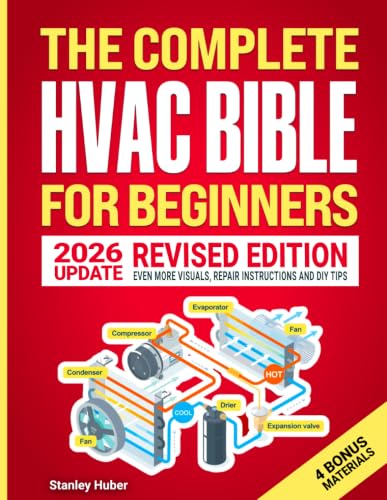
An HVAC replacement is rarely a single-component swap. When a system reaches the end of its service life, several interconnected parts usually come into play: the outdoor condenser unit, the indoor evaporator coil, the furnace or air handler, refrigerant lines, ductwork connections, the thermostat, and the electrical infrastructure that supports the system. A well-rounded estimate accounts for each of these elements, because overlooking even one component can lead to inadequate performance or repeated service calls down the road.
Before you request a quote, it helps to understand what type of system you currently have and what type you want to move toward. Older homes may be fitted with a conventional split system, while newer constructions often include more efficient designs. If your home lacks ductwork, a ductless mini-split configuration may be worth exploring — and you can read more about efficiency options on our ENERGY STAR mini-split page. Likewise, if you are considering a heat pump rather than a standalone AC and furnace pair, our overview of the ENERGY STAR mini-split heat pump is a useful starting point.
System Types and What They Mean for Your Estimate
The configuration you choose has a direct influence on the complexity of the installation and, therefore, on the overall project scope. Here are the primary categories homeowners typically consider:
- Split system (central AC + furnace): The most common setup in North American homes. The outdoor condenser pairs with an indoor coil and a furnace or air handler. Replacement often involves both indoor and outdoor components, which increases the number of labor hours and the amount of refrigerant handling.
- Packaged unit: All components are housed in a single cabinet, usually on the roof or beside the home. These are common in certain climates and can simplify some aspects of installation, though rooftop access may require additional equipment.
- Ductless mini-split: Ideal for homes without ducts or for room-by-room zoning. A single-zone system is relatively straightforward, while multi-zone systems multiply the number of indoor heads and line sets, which affects the overall scope of the project.
- Heat pump: Provides both heating and cooling in one system. Because it replaces two separate appliances, the comparison with a traditional furnace-plus-AC setup should account for the dual function. Our page on ENERGY STAR window heat pump options offers a window into how heat pump technology works in practice.
If you are still weighing whether to repair or replace, our AC replacement estimate overview provides a useful framework for that decision. And if you are specifically looking at central systems, our guide to the estimate to install central air conditioning dives deeper into the central AC path.
The Major Factors That Shape a Replacement Project
Rather than treating an HVAC replacement as a single lump figure, it is more useful to break the project into its component parts. This approach helps you ask better questions when you speak with contractors and compare proposals on an apples-to-apples basis.
1. Equipment Tier and Efficiency Rating
HVAC equipment is typically classified by its efficiency rating — SEER2 for cooling and HSPF2 for heat pumps — as well as by its construction quality and feature set. Higher-tier equipment generally offers better energy performance, quieter operation, and more advanced controls, but it also represents a larger share of the overall project. The table below illustrates how equipment tiers are commonly described in the market:
| Tier | Typical Characteristics | Best For |
|---|---|---|
| Entry-Level | Standard single-stage compressor, basic thermostat compatibility, essential warranty coverage | Homeowners replacing a like-for-like system on a straightforward budget |
| Mid-Range | Two-stage or variable-speed compressor, improved humidity control, compatible with smart thermostats | Households seeking a balance of comfort and long-term efficiency |
| Premium | Variable-speed operation, advanced filtration options, quieter sound ratings, extended warranties | Homeowners prioritizing comfort, quiet operation, and air quality |
| Luxury | Flagship efficiency, zoning integration, premium materials, comprehensive manufacturer support | High-performance homes and whole-home comfort systems |
Efficiency ratings matter not only for operating performance but also for eligibility in utility rebate programs and federal tax incentives. You can explore the broader landscape of high-efficiency options through our ENERGY STAR qualified air conditioners resource. For window-unit replacements, the ENERGY STAR window air conditioner with heat page covers dual-purpose models that can serve as a stopgap during a larger project.
2. Labor and Installation Complexity
Labor is often the most variable part of an HVAC project. It depends on the accessibility of the equipment, the condition of existing ductwork, the electrical panel's capacity, and whether refrigerant lines need to be replaced. For example, a straightforward swap in an accessible attic or basement is a very different proposition from a rooftop packaged unit or a multi-zone mini-split installation that requires running new line sets through finished walls. Our guide to the first week after AC installation describes what a typical post-installation period looks like, which is helpful context when you are comparing contractor proposals.
Refrigerant handling is another important consideration. Modern systems use refrigerants with specific handling requirements, and any contractor you work with should be compliant with EPA refrigerant handling rules. This is not just a regulatory point — proper refrigerant practices directly affect system longevity and performance.
3. Ductwork and Air Distribution
If your home has existing ductwork, it should be inspected for leaks, sizing issues, and insulation quality before a new system is installed. A high-efficiency unit connected to leaky ducts will not deliver its rated performance. In some cases, duct sealing or partial replacement is recommended alongside the equipment upgrade. If your home has no ducts at all, a ductless configuration may be the more practical path, and our ENERGY STAR mini-split overview explains the trade-offs.
4. Electrical and Controls
Older homes may require an electrical panel upgrade to support a modern system, particularly if you are moving from a lower-capacity unit to a larger or higher-tier one. Smart thermostats and zoning controls add convenience but also require compatible wiring. When reviewing proposals, ask whether electrical work is included or handled by a separate trade.
How to Build a Realistic Project Plan
A sound replacement plan starts with gathering information. Before requesting quotes, collect the model numbers and age of your current equipment, note any recurring issues, and decide whether you want a like-for-like replacement or an upgrade. Then follow these steps:
- Get a load calculation. A proper Manual J calculation ensures the new system is sized correctly. An oversized system will cycle on and off excessively, which undermines comfort and efficiency.
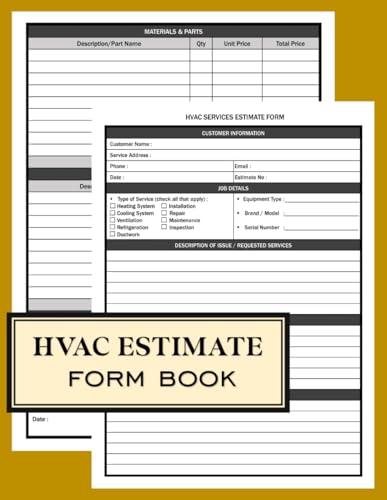
- Request multiple quotes in writing. Ask each contractor to itemize equipment, labor, refrigerant handling, permits, and any ductwork or electrical work. This makes proposals comparable.
- Check licensing and insurance. Verify that the contractor holds the required state and local licenses and carries liability and workers' compensation insurance.
- Confirm warranty terms. Manufacturer warranties vary by tier, and labor warranties are usually provided by the contractor. Understand both before signing.
- Plan for the transition. If your replacement happens during peak cooling or heating season, arrange temporary cooling or heating if needed. Our HVAC replacement cost estimate guide is a companion resource for planning timelines.
Comparing Replacement Paths: Central vs. Ductless vs. Window
The right path depends on your home's structure and your comfort goals. A central system offers whole-home coverage and integrates with existing ductwork, but it involves the most components and the longest installation timeline. A ductless mini-split is ideal for targeted zones or homes without ducts, and multi-zone configurations can approach whole-home coverage. Window and portable units are the most straightforward to install, but they are typically room-specific and best suited as supplemental or interim solutions.
If you are considering a window unit as part of your overall strategy, the ENERGY STAR window air conditioner with remote and Wi-Fi control page covers models that offer convenient control. For through-the-wall configurations, see our ENERGY STAR through-the-wall air conditioner resource. And if you want to explore the full range of qualified equipment, the ENERGY STAR most efficient air conditioner overview highlights top-performing models across categories.
Frequently Asked Questions
How long does an HVAC replacement typically take?
A straightforward split-system replacement usually takes one to two days, depending on the scope of ductwork and electrical work. Multi-zone mini-split installations and projects that require duct modifications can take longer. Your contractor should provide a timeline in the written proposal.
Should I replace the furnace and AC at the same time?
If both units are of similar age and condition, replacing them together is often the more practical approach. It ensures the components are matched for efficiency and can reduce overall installation labor. If one unit is significantly newer, a staged replacement may be worth discussing with your contractor.
What is the difference between a repair and a replacement decision?
Industry guidance generally suggests that if a repair represents a substantial portion of the equipment's remaining value, or if the system is approaching the end of its expected service life, replacement becomes the more sensible long-term path. Our AC replacement estimate overview walks through this decision framework in more detail.
Are there incentives available for high-efficiency replacements?
Yes — utility rebates and federal tax incentives often apply to qualifying high-efficiency equipment. Eligibility depends on the efficiency rating and your location. Your contractor can usually help identify applicable programs, and our ENERGY STAR most efficient air conditioner page is a useful reference for top-tier options.
How do I verify a contractor's credentials?
Ask for the contractor's license number, verify it with your state licensing board, and request a certificate of insurance. Reputable contractors will provide these without hesitation. You can also check whether they are factory-authorized for the brand they are proposing.
Making a Confident Decision
An HVAC replacement is a long-term investment in your home's comfort and energy performance. The most reliable approach is to gather information first, compare itemized proposals, and ask detailed questions about equipment tiers, installation practices, and warranty coverage. For a broader view of how efficiency and equipment choices interact with your home's overall performance, our environmentally friendly heating and cooling systems overview is a useful next read. And if you want to explore the full range of efficient AC options before finalizing your plan, our ENERGY STAR most efficient air conditioner resource is a solid starting point.
Ready to Explore Your Options?
Browse our curated selection of air conditioners and HVAC equipment to find the right fit for your replacement project.
View Recommended Products