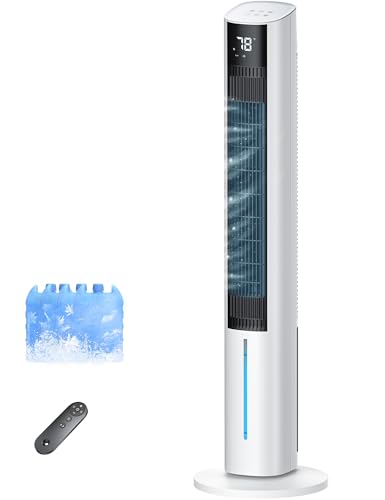
Evaporative Air Cooler 3 in 1 Windowless Portable Air Conditioner
Discover how a windowless 3 in 1 evaporative cooler works, who it suits best, and how to choose the right model for your room without needing a window or exhaust hose.
START READINGQuick summary: An evaporative air cooler 3 in 1 windowless portable air conditioner combines cooling, fan, and humidification in a single unit that needs no window and no exhaust duct. It is a practical option for dry climates and well-ventilated rooms, but it is not a replacement for a refrigerant-based air conditioner in humid conditions.
What Is a 3 in 1 Windowless Portable Air Conditioner?
A 3 in 1 windowless portable air conditioner is an evaporative cooler that delivers three core functions in one housing: cooling, fan-only ventilation, and humidification. Unlike a traditional portable air conditioner, it does not use a compressor or refrigerant. Instead, it draws warm dry air through a water-soaked cooling pad, and the evaporation process lowers the air temperature before the fan pushes the cooled air into the room.
The "windowless" label is significant. Standard portable air conditioners need a window kit and an exhaust hose to expel hot air. An evaporative cooler has no hot exhaust, so it can sit in any room with a power outlet and a water tank. This makes it attractive for renters, attic rooms, garages, and spaces where window installation is not possible or not permitted.
The "3 in 1" designation means the unit can operate in three modes. Cool mode runs the water pump and the fan together for evaporative cooling. Fan mode runs only the fan for air circulation. Humidify mode adds moisture to dry air, which can be helpful in winter or in very arid regions. Some models add a fourth mode such as air purification, but the three-function design is the standard baseline.
How Evaporative Cooling Works Without a Window
The mechanism is straightforward and relies on a natural principle: water absorbs heat as it evaporates. A pump circulates water from the tank to the top of a honeycomb cooling pad, and gravity spreads it down the pad's surface. A fan pulls room air through the wet pad, and as the air passes, some water evaporates into it. The energy required for that evaporation comes from the air itself, so the air leaves the pad cooler and more humid than it entered.
Because there is no condenser and no refrigerant cycle, there is no hot air stream to vent outside. The unit simply needs a water supply and airflow. That is why no window is required. The trade-off is that the cooling effect is modest compared with a compressor-based system, and it depends heavily on the ambient humidity.
For a deeper explanation of the physics and the different cooler designs, see the guide on evaporative air coolers and the broader overview of evaporative cooling systems.
Key Features to Look For
Water Tank Capacity
Larger tanks run longer between refills. Small tanks suit bedside use, while larger tanks suit living rooms and long daytime sessions.
Cooling Pad Quality
Honeycomb cellulose pads offer better evaporation than thin foam pads. Replaceable pads extend the unit's useful life and maintain airflow.
Airflow and Fan Speeds
Adjustable fan speeds let you balance cooling intensity against noise. Oscillation helps distribute air across a wider area.
Noise Level
Fan noise is the main sound source. Lower speeds are quieter and suitable for bedrooms; higher speeds move more air but are louder.
Portability
Casters and a compact footprint make it easy to move between rooms. Weight matters if you plan to carry it up stairs.
Timer and Remote
A timer supports overnight use without manual shutoff. A remote adds convenience for larger rooms and mobility-limited users.
Advantages and Limitations
Advantages
- No window or exhaust hose required
- Simple installation: plug in, fill, and run
- Lower energy draw than compressor-based AC
- Adds moisture to dry air, which feels refreshing
- Portable and easy to move between rooms
- Quiet operation at lower fan speeds
Limitations
- Cooling effect is modest, not room-wide refrigeration
- Performance drops sharply in humid climates
- Requires regular water refills and pad cleaning
- Adds humidity, which can feel muggy in enclosed rooms
- Needs ventilation to avoid moisture buildup
- Not suitable as a whole-home cooling solution
Climate and Room Suitability
Evaporative cooling is most effective in hot, dry climates where relative humidity is low. In those conditions, the air can absorb a significant amount of moisture, and the temperature drop is noticeable. In humid climates, the air is already close to saturation, so evaporation is slow and the cooling effect is minimal.
Room layout also matters. A windowless portable evaporative cooler works best in a room with some cross-ventilation, such as an open doorway or a partially open window in an adjacent space. Without ventilation, the added humidity accumulates, and the room can feel clammy. For enclosed rooms with no airflow, a refrigerant-based portable unit or a free-standing air conditioner that needs no window may be a better fit.
For comparison with other no-window options, see the guide on free-standing air conditioner units and the discussion of freestanding units without a vent hose.
Evaporative Cooler vs Other Portable Cooling Options
The table below compares a 3 in 1 windowless evaporative cooler with common alternatives. Tiers describe market positioning, not numeric pricing.
| Option | Cooling Method | Window Required | Best For | Typical Tier |
|---|---|---|---|---|
| 3 in 1 windowless evaporative cooler | Evaporation | No | Dry climates, ventilated rooms | Entry-level to mid-range |
| Portable air conditioner with exhaust hose | Refrigerant compression | Yes | Humid climates, enclosed rooms | Mid-range |
| Window air conditioner | Refrigerant compression | Yes | Single rooms, permanent install | Mid-range |
| Ductless mini-split | Refrigerant compression | Small wall penetration | Whole rooms, long-term use | Premium |
| Tower fan only | Air movement | No | Air circulation, mild comfort | Entry-level |
How to Choose the Right Model
Choosing a 3 in 1 windowless evaporative cooler comes down to matching the unit's capacity and features to your room and climate. Consider the following factors in order.
1. Confirm Your Climate First
Check the average relative humidity in your area during the cooling season. If humidity is consistently high, an evaporative cooler will underperform, and a refrigerant-based option is more appropriate. If humidity is low, the evaporative route is a sound choice.
2. Match Airflow to Room Size
Manufacturers usually state a recommended room size or airflow rating. A small bedroom needs less airflow than an open-plan living area. Undersizing the unit leaves the room uncomfortable; oversizing it in a small room adds unnecessary noise and humidity.
3. Prioritize Pad Quality and Serviceability
The cooling pad is the heart of the unit. Honeycomb cellulose pads evaporate more efficiently than thin alternatives. Confirm that replacement pads are available and easy to install, because a clogged or mineral-crusted pad is the most common cause of weak cooling. The guide on evaporative cooler pads explains the differences.
4. Check Tank Size Against Your Routine
A small tank suits short sessions and bedside use. A larger tank is better for all-day operation in a living room. Consider whether the tank is easy to remove and refill without lifting the whole unit.
5. Evaluate Noise and Night Use
Fan noise rises with speed. If the unit will run overnight, look for a low-speed mode, a sleep setting, and a timer. Reviews that mention decibel levels at low speed are more useful than marketing claims.
6. Plan for Maintenance
Daily water changes and periodic pad cleaning are part of ownership. A unit with a drain plug, a removable tank, and accessible pads is easier to maintain. The evaporative cooler maintenance guide covers a practical routine.
Market Tiers at a Glance
Evaporative coolers fall into broad market tiers. The descriptions below use universal tier language and avoid any numeric pricing.
| Tier | Typical Characteristics | Best For |
|---|---|---|
| Entry-level | Compact body, basic fan speeds, smaller tank, simple mechanical controls | Bedrooms, short sessions, occasional use |
| Mid-range | Larger tank, honeycomb pad, remote control, timer, oscillation | Living rooms, daily use, family spaces |
| Premium | High airflow, multiple pad stages, smart controls, robust housing, quieter operation | Open-plan areas, extended daily use, buyers who want refined control |
Maintenance Essentials
Regular maintenance keeps an evaporative cooler effective and hygienic. The essentials are simple and take only a few minutes per week.
- Drain and refill daily during active use to prevent stagnant water and odor.
- Clean the cooling pad every few weeks, and replace it when it becomes crusted or stiff.
- Wipe the tank periodically to remove mineral film and biofilm.
- Dry the unit before storage to prevent mold growth inside the housing.
- Store indoors during the off-season to protect the fan and pump.
For a full routine, read the evaporative cooler maintenance guide. If you are comparing cooler types more broadly, the evaporative cooler and fan overview is a useful next step.
Ready to Compare Models?
Review the recommended evaporative air cooler 3 in 1 windowless portable air conditioners below. Each listing links to detailed product information so you can compare features, modes, and suitability for your room.
VIEW RECOMMENDED MODELSFrequently Asked Questions
Does an evaporative air cooler 3 in 1 windowless portable air conditioner really cool a room?
It cools through evaporation, not refrigeration. It lowers the air temperature by a few degrees and adds moisture, which feels refreshing in dry climates. In humid climates, the cooling effect is minimal because the air is already saturated with moisture.
Do I need a window for a windowless portable air conditioner?
No. A windowless evaporative cooler does not require a window or exhaust hose. It simply needs a power outlet, water in the tank, and adequate ventilation in the room for the humid air to dissipate.
What does 3 in 1 mean on an evaporative air cooler?
3 in 1 typically means the unit combines three functions: cooling, fan-only operation, and humidification. Some models add a fourth function such as air purification, but the standard three-in-one design covers cool, fan, and humidify modes.
Can I use an evaporative cooler in a humid climate?
Evaporative coolers perform poorly in humid climates because the air already holds a high level of moisture, limiting evaporation. They work best in hot, dry climates where relative humidity is low. In humid regions, a refrigerant-based portable or window unit is more effective.
How often should I change the water and cooling pad?
Drain and refill the water tank daily during active use to prevent stagnation and odor. Clean or replace the cooling pad every one to three months depending on usage and water hardness. Regular maintenance keeps airflow strong and cooling effective.