Floor Mounted Mini Split: The Complete Buyer's Guide
Discover how floor-standing ductless systems deliver efficient, low-wall cooling and heating for rooms where wall space is limited or high-mounted units are impractical.
Explore the GuideWhy consider a floor mounted mini split? These units sit low on the wall or near the floor, making them an excellent choice for rooms with sloped ceilings, limited high-wall space, or where you want conditioned air delivered directly into the living zone. This guide explains how they work, where they fit best, and how to evaluate models at every tier.
What Is a Floor Mounted Mini Split?
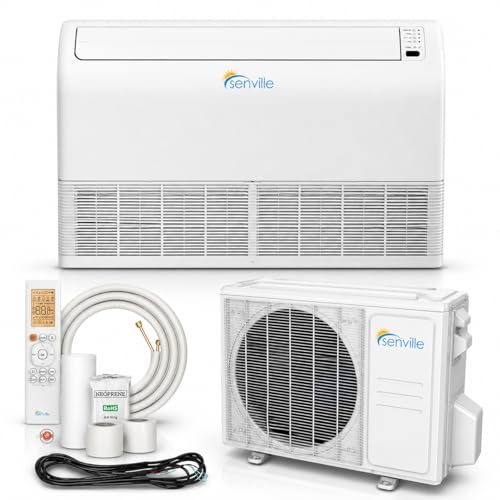
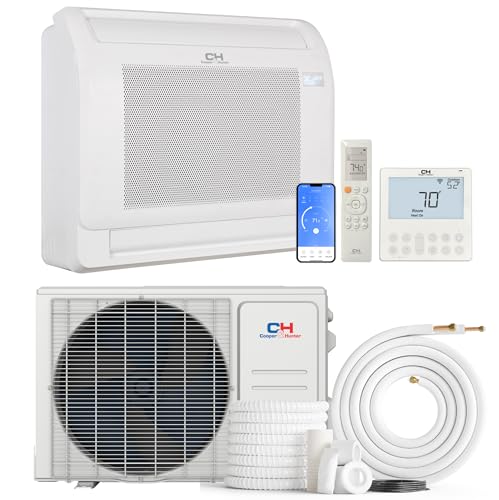
A floor mounted mini split is a ductless heat pump system whose indoor air handler is installed low on the wall or freestanding near the floor. Unlike the more common high-wall mini split, the floor console design places the air outlet closer to the floor, which can improve comfort in rooms with high ceilings or where occupants sit or sleep at low levels. The system still pairs with an outdoor compressor unit and operates on the same refrigerant cycle as other ductless mini split systems.
These units are sometimes called floor-standing mini split air conditioners or low-wall mini splits. They are popular in renovated homes, additions, and rooms where a high-wall unit would be awkward to reach for maintenance or would conflict with windows, shelving, or architectural features. Because they are ductless, they avoid the energy losses associated with ducted air conditioning and can be installed without major structural changes.
Most floor mounted mini splits are reversible heat pumps, meaning they provide both cooling in summer and heating in winter. This dual-function capability makes them a strong option for homeowners who want year-round comfort from a single system, especially in spaces without existing ductwork.
How Floor Mounted Mini Splits Work
The system operates on the same vapor-compression cycle found in all air conditioners and heat pumps. Refrigerant travels between the indoor and outdoor units through a small conduit, absorbing heat from indoor air during cooling mode and releasing it outdoors. In heating mode, the cycle reverses to bring heat into the room. The floor-mounted indoor unit contains the evaporator coil, blower fan, and air filter, while the outdoor unit houses the compressor and condenser coil.
Because the indoor unit sits low, the air distribution pattern differs from high-wall units. Cool air tends to settle and spread across the floor before rising, while warm air from heating mode rises more directly into the occupied zone. This can be advantageous in rooms with very high ceilings where stratified air otherwise leaves the lower area uncomfortable.
Key Features to Evaluate
Inverter Compressor
Most modern floor mounted units use inverter-driven compressors that modulate speed for steadier temperatures and better efficiency. Entry-level models may use fixed-speed compressors, while mid-range and premium tiers typically include full inverter technology.
SEER2 and HSPF2 Ratings
Efficiency is rated under the updated SEER2 and HSPF2 standards. Higher-tier units generally achieve higher efficiency ratings, which matters for long-term energy use. Review our guide on what a SEER rating means to compare models accurately.
Low-Wall Placement
The defining feature of these systems is the low installation height. This makes them suitable for rooms with windows close to the ceiling, sloped walls, or limited upper-wall space.
Heating Capability
Many floor mounted mini splits are heat pumps capable of heating in outdoor temperatures well below freezing. Check the rated heating capacity and the lowest operating temperature for your climate.
Filtration and Air Quality
Multi-stage filters, including washable mesh and optional electrostatic or carbon layers, are common. Higher-tier models often include more advanced filtration and self-cleaning functions.
Smart Controls
Wi-Fi connectivity, remote app control, and compatibility with voice assistants are increasingly available. These features are most common in mid-range and premium tiers.
Where Floor Mounted Mini Splits Fit Best
Floor mounted units are particularly well suited to rooms where a high-wall installation is difficult or undesirable. Common applications include rooms with sloped ceilings, attic conversions, sunrooms, and spaces with large windows that leave little upper-wall space. They are also useful in homes with older construction where wall cavities are not suitable for recessed mounting.
Because the indoor unit sits low, it is important to keep the area around it clear of furniture and curtains that could block airflow. The unit should be placed on an exterior wall where the refrigerant lines can run to the outdoor unit with minimal disruption. For homes without existing ductwork, a floor mounted mini split can be a practical alternative to ductless air conditioning for older homes and avoids the expense of adding ducts.
If you are comparing ductless options for a renovation or addition, our overview of different types of air conditioning for homes can help you weigh floor-mounted units against high-wall, ceiling cassette, and concealed duct designs.
Advantages and Limitations
Advantages
- Ideal for rooms with limited high-wall space or sloped ceilings
- Delivers conditioned air directly into the occupied zone
- Ductless design avoids duct losses and installation disruption
- Many models provide both heating and cooling
- Easy access for filter cleaning and maintenance
- Available across entry-level, mid-range, and premium tiers
Limitations
- Floor placement can conflict with furniture and foot traffic
- Fewer model choices compared with high-wall mini splits
- Requires clear wall space at low height on an exterior wall
- May be more visible in the room than a high-wall unit
- Professional installation is still required for refrigerant lines
Floor Mounted vs. High-Wall Mini Split
| Feature | Floor Mounted Mini Split | High-Wall Mini Split |
|---|---|---|
| Installation height | Low wall or floor level | Upper wall, near ceiling |
| Best for | Sloped ceilings, limited upper-wall space, low seating areas | Standard rooms with open upper walls |
| Air delivery | Direct into occupied zone | Mixes from above |
| Furniture interference | Possible at floor level | Minimal |
| Model availability | Focused selection | Broad selection |
| Maintenance access | Easy reach | May require a step ladder |
Understanding Product Tiers
Floor mounted mini splits are available across several market tiers. Entry-level models typically cover the essentials: cooling, heating, and basic filtration with standard efficiency ratings. Mid-range units often add inverter compressors, improved filtration, and quieter operation. Premium and high-end tier models may include advanced smart controls, higher efficiency ratings, enhanced humidity management, and more refined airflow designs.
When comparing tiers, look at the efficiency ratings, the lowest rated operating temperature for heating, the noise level of the indoor unit, and the warranty terms. A mid-range model often represents a balanced choice for many homeowners, while premium tiers are suited to those who prioritize quiet operation and advanced features. The descriptor "professional-grade" is sometimes used for units designed for heavier use or commercial-adjacent applications.
Note: This guide uses neutral tier descriptors rather than numeric figures, so the information remains relevant over time.
Installation Considerations
Installing a floor mounted mini split requires running refrigerant lines, electrical connections, and a condensate drain between the indoor and outdoor units. While some homeowners consider a DIY mini split installation, professional installation is strongly recommended to ensure proper vacuuming, leak testing, and safe electrical work. Improper installation can void warranties and reduce efficiency.
The indoor unit should be positioned on an exterior wall with enough clearance for airflow and maintenance. The outdoor unit needs adequate space for heat rejection and should be placed on a stable surface. If you are planning a larger project, our guide to the cost of installing a mini split air conditioner covers the factors that influence installation scope, while the first week after AC installation checklist helps you verify the system is performing correctly.
For homeowners adding a single-zone system to a specific room, a floor mounted unit can be a straightforward solution. For multi-zone needs, a five-zone mini split configuration may be more appropriate, with floor consoles used in the rooms where they fit best.
Maintenance and Long-Term Care
Routine maintenance keeps any mini split operating efficiently. Clean or replace the air filter every few weeks during heavy use, and keep the area around the indoor unit clear. The outdoor coil should be kept free of debris, and the condensate drain should be checked for clogs. Scheduling a professional tune-up helps catch refrigerant leaks and electrical issues early.
For general maintenance guidance, our AC maintenance guide and seasonal AC checklist provide step-by-step routines. If you notice reduced cooling, unusual noises, or water leaks, our troubleshooting resources on fixing an air conditioner can help you identify common issues before calling a technician.
How to Choose the Right Floor Mounted Mini Split
Start by determining the cooling and heating capacity needed for your room. Capacity is measured in BTU, and sizing should account for room area, ceiling height, window area, insulation, and climate. Our guide on how to size an air conditioner explains the calculation method, and the BTU calculator by room size provides a practical reference.
Next, decide on the efficiency level that matches your priorities. Higher-tier units generally offer better efficiency and quieter operation, but a mid-range model may be sufficient for many applications. Check whether the unit is a heat pump and review its cold-climate heating performance if you plan to use it in winter. Confirm the available electrical supply; some units require a dedicated 240V circuit, while smaller models may operate on 110V.
Finally, review warranty coverage and local contractor availability. A well-installed mid-range unit from a reputable brand often provides reliable service for many years. If you are exploring broader ductless options, our ductless mini split overview and ducted vs ductless comparison can help you weigh system types before committing.
Ready to Compare Floor Mounted Mini Splits?
Explore recommended models and check availability through our curated product section below.
View Recommended ModelsFrequently Asked Questions
What is the main advantage of a floor mounted mini split?
The primary advantage is placement flexibility in rooms where high-wall installation is impractical, such as rooms with sloped ceilings or limited upper-wall space. Floor units also deliver air directly into the occupied zone and are easy to reach for filter cleaning.
Can a floor mounted mini split also provide heating?
Yes. Many floor mounted mini splits are heat pumps that provide both cooling and heating. Check the rated heating capacity and the lowest operating temperature to ensure the unit meets your climate needs.
How much space is needed around the indoor unit?
The exact clearances are specified by the manufacturer, but generally the unit needs unobstructed airflow at the front and enough side clearance for maintenance access. Avoid placing furniture directly in front of the air outlet.
Is professional installation required?
Yes, professional installation is strongly recommended because the system requires refrigerant line connections, vacuuming, leak testing, and electrical work. Proper installation is essential for efficiency, safety, and warranty coverage.
How do floor mounted units compare with high-wall units in efficiency?
Efficiency depends on the specific model rather than the mounting style. Both floor-mounted and high-wall mini splits are available in a range of efficiency ratings. Compare SEER2 and HSPF2 ratings across models to find the most efficient option for your needs.