Fuse HVAC
A complete guide to HVAC fuses: how they protect heating and cooling equipment, why they blow, how to identify the correct replacement, and when a recurring blown fuse signals a deeper problem that needs a professional.
START LEARNINGQuick answer: An HVAC fuse is a deliberate weak link in the electrical circuit that protects the furnace, air handler, or air conditioner from overcurrent. When current exceeds the fuse rating, the internal element melts and breaks the circuit, preventing damage to the blower motor, control board, compressor, or wiring. A blown fuse is a symptom, not the disease — replacing it is safe and simple, but if it blows again, the underlying cause needs proper diagnosis.
What Is an HVAC Fuse?
An HVAC fuse is a small protective component installed in the electrical circuit that feeds your heating and cooling equipment. It sits in a fuse holder or control-board socket and is designed to open the circuit when current rises above its rating. The purpose is straightforward: a low-cost fuse fails before an expensive motor, transformer, or control board is damaged.
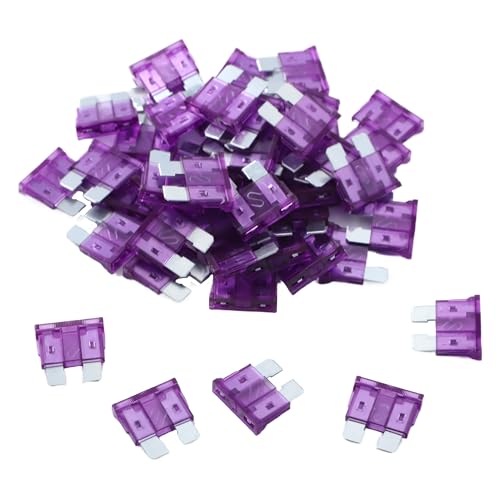
Most residential HVAC systems use low-voltage blade fuses (often 3-amp or 5-amp) to protect the 24-volt control circuit, and larger cartridge or plug fuses to protect the high-voltage line feeding the equipment. When a fuse blows, the system stops running — that is intentional. The fuse did its job. The important question is why the current was too high in the first place. If you are already troubleshooting a system that has stopped working, our guide to fixing an air conditioner walks through the general diagnostic sequence.
How HVAC Fuses Protect Your System
Every motor and electronic control board has an electrical limit. A fuse makes sure the circuit never exceeds that limit for long enough to cause damage. The mechanism is simple and reliable: the fuse element heats up in proportion to current, and at its rated threshold it melts and opens the circuit.
- Overcurrent protection: If a motor draws more current than it should — because of a seized bearing, shorted winding, or locked rotor — the fuse opens before the motor overheats.
- Short-circuit protection: A bare wire touching a metal panel or a failed component can create a near-instantaneous current spike. The fuse opens within milliseconds.
- Control-circuit protection: The small 3-amp or 5-amp fuse on the control board protects the transformer and low-voltage wiring from shorts in the thermostat circuit or at the contactor.
- Sacrificial design: The fuse is deliberately the least expensive component in the circuit so that it fails first. This is why replacing a fuse is an acceptable first step, not a repair.
Types of HVAC Fuses
Not all HVAC fuses are the same. Confusing them is a common mistake, and installing the wrong type or rating can defeat the protection entirely.
| Fuse Type | Typical Location | Protects |
|---|---|---|
| Blade fuse (automotive-style) | Control board on the furnace or air handler | 24-volt control circuit and transformer |
| Cartridge fuse | Disconnect box or outdoor condensing unit | High-voltage line feeding the compressor or blower |
| Plug fuse | Older furnace or disconnect panel | High-voltage branch circuit |
| Time-delay fuse | Motor circuits | Allows brief startup current without nuisance blowing |
The fuse rating matters as much as the type. A 3-amp blade fuse must never be replaced with a 5-amp fuse to "stop it from blowing" — the higher rating defeats the protection and can allow the transformer to overheat. The correct replacement always matches the rating printed on the fuse or specified on the equipment label. Your electronic home thermostat and control board rely on that protection, and so do the motors further down the circuit.
Why HVAC Fuses Blow
A blown fuse is a message. The message is that something downstream drew too much current or shorted. Common causes fall into a few categories, and identifying the category is the first step toward a real fix.
Short Circuit in Low-Voltage Wiring
A thermostat wire pinched against a metal edge, a damaged wire from rodents, or a loose connection at the control board can short the 24-volt circuit and blow the small blade fuse.
Most commonFailed Contactor or Relay
A failing contactor coil can draw excessive current or short internally. This is a frequent cause on the outdoor unit's control circuit.
Component failureShorted Transformer
The step-down transformer that supplies 24 volts can fail internally. When it does, the control fuse blows immediately on power-up.
Transformer issueSeized Blower Motor
A blower motor with bad bearings or a locked rotor draws high current. On the high-voltage side, this can blow a cartridge fuse or trip the breaker.
Motor overloadWater Intrusion
Moisture in the outdoor disconnect or a condensate leak onto the control board can cause shorts. This is common after heavy rain or a clogged drain.
EnvironmentalWrong Fuse Previously Installed
If someone installed an undersized fuse or a fuse of the wrong type, it may blow under normal operation. This is a common finding during service.
Prior workmanshipIf your AC compressor turns on but produces no cold air, the fuse may not be the culprit — the issue could be refrigerant or the compressor itself. That scenario is covered in home AC compressor turns on but no cold air.
How to Identify the Correct Replacement
The correct fuse is determined by the equipment, not by what happens to be on hand. Three sources of information should be checked.
- The blown fuse itself: Read the rating printed on the fuse body or the color code (blade fuses are color-coded by amp rating).
- The equipment data plate: The furnace, air handler, and condensing unit labels specify fuse ratings and circuit protection requirements.
- The owner's manual: The manual for the specific model lists the correct fuse type and rating for the control board and the line-side protection.
Never substitute a higher-rated fuse. Never replace a time-delay fuse with a fast-blow fuse of the same rating in a motor circuit, and vice versa. If you are unsure, photograph the original fuse and confirm the rating with a qualified technician or the equipment manufacturer before installing a replacement. Our overview of HVAC repair technician work explains how a professional verifies the cause rather than just swapping components.
Fuse vs Breaker: What's the Difference?
Both fuses and breakers protect circuits by interrupting current, but they operate differently and are used in different places.
| Aspect | Fuse | Breaker |
|---|---|---|
| Operation | Internal element melts (one-time use) | Mechanical switch trips (resettable) |
| Typical location | Control board, disconnect box, older panels | Main electrical panel, sub-panels |
| Reset | Replaced | Switched back on after fault is cleared |
| Protection speed | Very fast, especially for small control circuits | Fast for line-side faults, but not practical for tiny control circuits |
If your system has no power at all and the breaker is fine, the next check is typically the fuse on the control board or the disconnect. If the breaker itself trips repeatedly, that is a separate signal — a short or overload on the line side. In that case, the guidance in fuse HVAC troubleshooting is only part of the picture, and a professional assessment of the circuit is warranted.
Replacing an HVAC Fuse Safely
Replacing a fuse is straightforward when done correctly. The steps below are the general sequence; always follow the equipment manufacturer's instructions for your specific model.
- Turn off the equipment at the thermostat and at the breaker or disconnect.
- Locate the fuse holder. Blade fuses are usually on the control board; cartridge fuses are typically in the disconnect box near the outdoor unit.
- Remove the old fuse by pulling it straight out of the holder or socket. Do not pry or twist.
- Inspect the fuse. A blown blade fuse shows a visible break in the metal element. A blown cartridge fuse may show scorch marks or a broken internal element.
- Install the correctly rated replacement. Push it fully into the socket until it seats.
- Restore power and test. Run the system through a full cycle — cooling, heating, and fan — to verify normal operation.
If the new fuse blows immediately, stop. The fault is still present, and continued replacement will not solve it. At that point, the next step is diagnosis, not another fuse. Our guide to HVAC service companies explains what to look for when choosing a technician for that kind of investigation.
When a Blown Fuse Needs a Professional
Some fuse issues are trivial to fix; others are symptoms of a failing component that will cause more damage if ignored. The following situations call for a technician.
- Repeated blowing: A fuse that blows again immediately after replacement points to a persistent short or a failing component.
- No obvious visible cause: If the wiring looks intact and no component is visibly damaged, the fault may be internal and requires diagnostic tools.
- Burnt smell or scorch marks: Any sign of overheating beyond a simple fuse failure indicates a more serious problem.
- Breaker tripping as well: Multiple protective devices tripping means the fault is on the line side and needs proper electrical diagnosis.
- Water near the panel: Moisture in an electrical enclosure is a safety hazard and should be addressed by a professional.
Recurring electrical issues on HVAC equipment are often best diagnosed alongside a full system check. Our overviews of HVAC repair in my area and heating and air conditioning repair in my area explain how to find qualified help when a fuse problem turns out to be more than a fuse.
Preventing Future Fuse Failures
Not every fuse failure can be prevented, but regular maintenance and careful attention to the electrical system reduce avoidable problems.
- Schedule annual service. A technician checks electrical connections, motor amp draw, and control-board condition as part of routine maintenance.
- Keep the outdoor disconnect sealed. Inspect the cover and gasket periodically, especially after storms.
- Address water leaks promptly. A clogged condensate drain that drips onto the control board is a frequent cause of shorts. Our guide to the drip pan for AC unit in attic full of water covers that scenario.
- Do not modify the electrical circuit. Adding loads, replacing fuses with higher ratings, or using the wrong thermostat wire all increase the risk of future failures.
- Replace aging components proactively. Contactors, transformers, and blower motors have service lives. Replacing them on a planned basis is better than reacting to a failure.
If your HVAC system is already being serviced for another reason, ask the technician to inspect the control board and disconnect for any signs of heat damage or loose connections. The cost of that inspection is minimal compared with a failed transformer or control board. Our overview of furnace and air conditioning service explains what a standard maintenance visit covers.
Frequently Asked Questions
Can I replace an HVAC fuse myself?
In many cases, yes. Replacing a blade fuse on a control board or a cartridge fuse in a disconnect is a straightforward job once power is off. The key requirements are turning off the power, using the correct fuse rating and type, and understanding that a fuse that blows again indicates a fault that needs diagnosis rather than another replacement.
Why does my furnace fuse keep blowing?
A fuse that blows repeatedly is responding to a persistent overcurrent or short. Common causes include a shorted thermostat wire, a failing contactor coil, a shorted transformer, or moisture in the control compartment. Each of these requires diagnosis rather than another fuse. Continued replacement without diagnosis risks damage to the transformer or control board.
What size fuse does my HVAC system use?
The correct size is determined by the equipment label and the fuse currently installed. Blade fuses on control boards are commonly 3-amp or 5-amp, but not universally. Line-side fuses vary by equipment capacity. Never substitute a higher-rated fuse — the rating is a safety limit, not a suggestion.
Can a bad thermostat cause a fuse to blow?
Yes, indirectly. A damaged thermostat wire, a miswired thermostat, or a thermostat with an internal short can cause the low-voltage fuse on the control board to blow. This is a common cause of 3-amp blade fuse failures. Inspecting the thermostat wiring is part of the diagnostic process.
Is a blown fuse dangerous?
A blown fuse itself is not dangerous — it is a protective device doing its job. However, the underlying cause may be serious. A short circuit, overheating component, or moisture intrusion can be hazardous if left unaddressed. If the fuse blows repeatedly, if there is a burnt smell, or if there is any sign of scorching, stop and call a professional.
Bottom Line
An HVAC fuse is a small, inexpensive component with a critical job: protect the equipment from current that exceeds safe limits. When it blows, the first step is to understand why. A one-time fuse failure with an obvious cause is often resolved by correcting the issue and installing the correctly rated replacement. A recurring failure, a burnt smell, or any sign of electrical damage calls for a professional diagnostic.
Keep the correct fuse ratings on hand, never substitute a higher-rated fuse, and treat repeated blowing as a signal rather than an inconvenience. Routine service and prompt attention to water leaks or loose connections go a long way toward preventing future failures. Use the guidance above to diagnose the situation safely, and consult a licensed technician when the cause is not immediately clear.