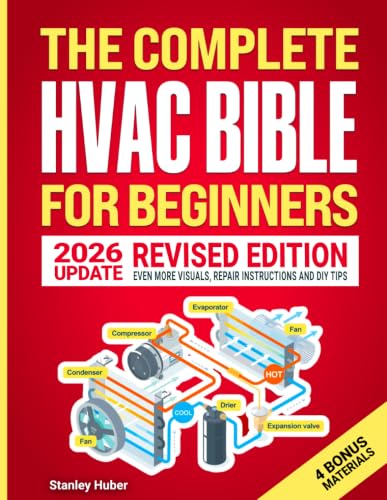
HVAC and Heating: The Complete Guide to Home Comfort Systems
Understand how heating, ventilation, and air conditioning systems work together, compare system types, learn maintenance essentials, and make confident decisions for year-round indoor comfort.
START LEARNINGWhy This Guide Matters: An HVAC system is one of the largest and most important investments in any home. It controls temperature, humidity, and air quality — directly affecting comfort, health, and energy use. This guide walks you through every component, so you can evaluate, maintain, and upgrade your system with confidence.
What Is HVAC and Why Does It Matter?
HVAC stands for Heating, Ventilation, and Air Conditioning. It refers to the interconnected systems that regulate temperature, humidity, and air quality inside a building. In a typical home, the HVAC system includes a furnace or heat pump for heating, an air conditioner or the cooling side of a heat pump, ductwork for air distribution, ventilation components, and a thermostat for control.
Understanding how these parts work together helps homeowners recognize inefficiencies, plan maintenance, and avoid costly breakdowns. A well-functioning HVAC system does more than keep a house comfortable — it also supports healthy indoor air, controls moisture, and protects the building structure from problems caused by excess humidity or condensation.
Types of HVAC and Heating Systems
There is no single best HVAC system — the right choice depends on climate, home layout, existing ductwork, and energy priorities. Below are the most common system categories, organized by market positioning so you can compare them at a glance.
Gas Furnace + Central AC
The most common split system in North America. A gas furnace handles heating while a central air conditioner provides cooling through shared ductwork. Reliable, well-understood, and widely serviced. See the gas furnace with air conditioner guide for details.
Heat Pump System
A single system that heats and cools by moving refrigerant between indoor and outdoor units. Highly efficient in moderate climates. Learn how it compares in the heat pump vs air conditioner comparison.
Ductless Mini-Split
Ideal for homes without ductwork or for room-by-room zoning. Quiet, efficient, and flexible. Explore heating with a mini split for cold-climate performance.
High-Efficiency Combo System
Premium furnaces and air conditioners engineered for maximum efficiency and quieter operation. See high efficiency furnace and air conditioner options for advanced configurations.
Window & Wall Units
Single-room heating and cooling for apartments, additions, or supplemental comfort. Compare heat and air unit for wall and heat pump air conditioner window unit approaches.
Geothermal & Ground Source
Uses stable ground temperatures for exceptional efficiency and long-term durability. Review ground source heating installation for a deeper technical overview.
Heating Technologies Explained
Heating systems fall into a few broad technology families. Combustion furnaces burn natural gas, propane, or oil to generate heat, which is then distributed through ducts. They are effective in cold climates and have a long service history. Heat pumps move heat rather than generating it, which makes them highly efficient in moderate climates and increasingly viable in colder regions thanks to cold-climate advancements.
Electric resistance heating (baseboards, electric furnaces) is simple and reliable but typically consumes more energy per unit of heat delivered. Hydronic systems use a boiler to heat water circulated through radiators or radiant floors — comfortable and quiet, but slower to respond than forced-air systems. Each option carries trade-offs in responsiveness, efficiency, and installation complexity.
Furnace Maintenance: Protecting Your Heating Investment
Regular furnace maintenance is the single most effective way to extend equipment lifespan and avoid mid-winter breakdowns. A professional tune-up typically includes inspecting the heat exchanger, cleaning burners, checking ignition components, testing airflow, and verifying safety controls. For a complete service outline, see furnace and air conditioner tune up.
Homeowners can also handle simple tasks between professional visits: replacing air filters on schedule, keeping vents unobstructed, and listening for unusual noises. If a furnace starts blowing cold air, review furnace not blowing cold air and gas furnace blowing cold air for common causes and next steps.
Seasonal Furnace Maintenance Checklist
- Replace or clean the air filter every 1–3 months
- Inspect and clean the blower compartment
- Check the heat exchanger for cracks or corrosion
- Verify the flue and venting are clear
- Test the ignition system and flame sensor
- Confirm thermostat calibration and scheduling
- Listen for rattling, humming, or short cycling
HVAC Service, Tune-Ups, and Repairs
Even well-maintained systems occasionally need repair. Recognizing the difference between a minor fix and a job that requires a certified technician saves time and prevents safety hazards. If you are searching for local help, review furnace repair near me and heating and air conditioning repair in my area for guidance on vetting contractors.
Annual service plans often bundle a fall heating tune-up with a spring cooling tune-up. These plans typically include priority scheduling and minor part replacements. See HVAC maintenance service cost and HVAC preventative maintenance cost for what to expect in scope and structure. For furnace-specific maintenance, review furnace maintenance service cost.
When a repair is needed, common components include the blower motor, control board, igniter, inducer motor, and expansion valve. Each has distinct symptoms and service considerations. Reference HVAC motor replacement cost, HVAC blower fan replacement, and HVAC expansion valve replacement cost for detailed breakdowns.
Coil Cleaning and Airflow Health
Dirty evaporator and condenser coils reduce efficiency, strain the compressor, and can lead to frozen lines. Cleaning coils is one of the highest-impact maintenance tasks available to homeowners and technicians alike. See HVAC evaporator coil cleaning, furnace evaporator coil cleaning, and HVAC and air duct cleaning for procedures and frequency recommendations.
Airflow is equally important. Leaky ducts can waste a significant share of conditioned air before it reaches living spaces. Review HVAC air duct sealing for practical sealing techniques and efficiency gains.
Heat Pump Systems: Heating and Cooling in One
Heat pumps are increasingly popular because they provide both heating and cooling using the same equipment. In mild and moderate climates they are highly efficient; in colder regions, cold-climate heat pumps can still perform well down to low outdoor temperatures. Compare HVAC heat pumps and HVAC and heat pump configurations to understand how each integrates with existing systems.
Common heat pump service items include compressor replacement, condenser replacement, and refrigerant line work. Review heat pump compressor replacement cost, heat pump condenser replacement, and HVAC line set replacement cost for scope and planning.
If you are considering a combined system, explore heat pump cooling and heating split system and heating and air conditioning split system for design options.
Combined Heating and Air Conditioning Systems
Many modern homes use a combined system where a single air handler or furnace supports both heating and cooling. This configuration is efficient, space-conscious, and simplifies maintenance when properly installed. Review heater and air conditioner in one unit, heating and air conditioning in one unit, and heating and air conditioning units combined to compare approaches.
Installation quality is critical for combined systems. Review furnace and AC installation, furnace and air conditioner installation cost, and HVAC cost and installation for planning guidance. For mobile homes, see furnace and air conditioner for mobile home.
System Comparison at a Glance
| System Type | Best For | Tier | Key Consideration |
|---|---|---|---|
| Gas Furnace + Central AC | Cold climates with existing ducts | Essential Tier | Reliable, widely serviced, dual-fuel capable |
| Heat Pump (Air Source) | Moderate climates, efficiency-focused homes | Balanced Tier | Single system for heating and cooling |
| Ductless Mini-Split | Homes without ducts, room-by-room zoning | Balanced Tier | Quiet, efficient, no duct losses |
| High-Efficiency Combo | Premium homes, long-term efficiency goals | High-End Tier | Advanced controls, quieter operation |
| Geothermal System | Long-term investment, stable climates | Professional-Grade | Highest efficiency, complex installation |
| Window / Wall Units | Apartments, additions, single rooms | Entry-Level | Simple, supplemental comfort |
Common HVAC Problems and Troubleshooting
Not every HVAC problem requires a technician, but knowing when to call a professional is essential. Simple issues such as a tripped breaker, a clogged filter, or a thermostat setting can often be resolved quickly. Persistent issues — such as a compressor that runs without producing cold air, water leaks around the indoor unit, or unusual noises from the outdoor unit — should be evaluated by a qualified technician.
If the house is not cooling properly, review house is not cooling from air conditioner and home AC compressor turns on but no cold air for diagnostic guidance. For electrical concerns, see fuse HVAC. If you need to source a replacement transformer, review furnace transformer replacement cost.
For equipment replacement decisions, compare home air conditioner replacement and house air conditioner options, and review house air conditioner condenser for the outdoor component.
Humidity, Air Quality, and Whole-Home Comfort
Comfort is not just about temperature. Humidity control, ventilation, and filtration all shape how a home feels and how healthy the indoor environment is. Ideal indoor humidity typically falls in the 30–50% range; higher levels encourage mold and dust mites, while very low levels cause dry skin and static. Review good humidity level for a home, house humidification, and how do I fix high humidity in my house for practical strategies.
Adding a humidifier to a furnace or air handler can improve winter comfort. Review furnace with humidifier cost for integration considerations. For overall air quality, professional HVAC cleaning and service and HVAC and air duct cleaning make a meaningful difference.
How to Get Started with HVAC Planning
Whether you are building, renovating, or replacing aging equipment, start with a clear picture of your home's heating and cooling needs. A load calculation (Manual J) determines the correct system size; oversizing or undersizing both cause long-term problems. Review HVAC estimates, HVAC experts, and HVAC local resources for hiring guidance.
If you need a contractor to handle installation, look for heating and air companies near my location and heating and air conditioning in my area for local options. For commercial needs, review hotel motel heating and air conditioning units.
Ready to Compare Systems and Options?
Explore our recommended HVAC and heating products below to find the right fit for your home, climate, and long-term efficiency goals.
VIEW RECOMMENDATIONSFrequently Asked Questions
What does HVAC stand for and what does it include?
HVAC stands for Heating, Ventilation, and Air Conditioning. It covers all systems responsible for moving air, regulating temperature, and maintaining indoor air quality — including furnaces, heat pumps, air conditioners, ductwork, ventilation fans, and thermostats.
How often should an HVAC system be serviced?
Most manufacturers recommend professional servicing twice a year — once in spring for cooling and once in fall for heating. Regular tune-ups maintain efficiency, extend lifespan, and catch small issues before they become major breakdowns.
What is the difference between a furnace and a heat pump?
A furnace generates heat by burning fuel such as natural gas, propane, or oil. A heat pump moves heat from one place to another using electricity and can both heat and cool a home. Furnaces provide heating only, while heat pumps offer year-round versatility.
How long does a typical HVAC system last?
With proper maintenance, a furnace typically lasts 15–20 years, an air conditioner 10–15 years, and a heat pump 10–15 years. Actual lifespan depends on usage, installation quality, maintenance frequency, and local climate.
What are signs that my HVAC system needs repair?
Common warning signs include uneven heating or cooling, unusual noises, strange odors, increased energy consumption, frequent cycling, weak airflow, and moisture or leaks around the unit. Addressing these early usually prevents more extensive damage.